Modified Inboard End Ribs

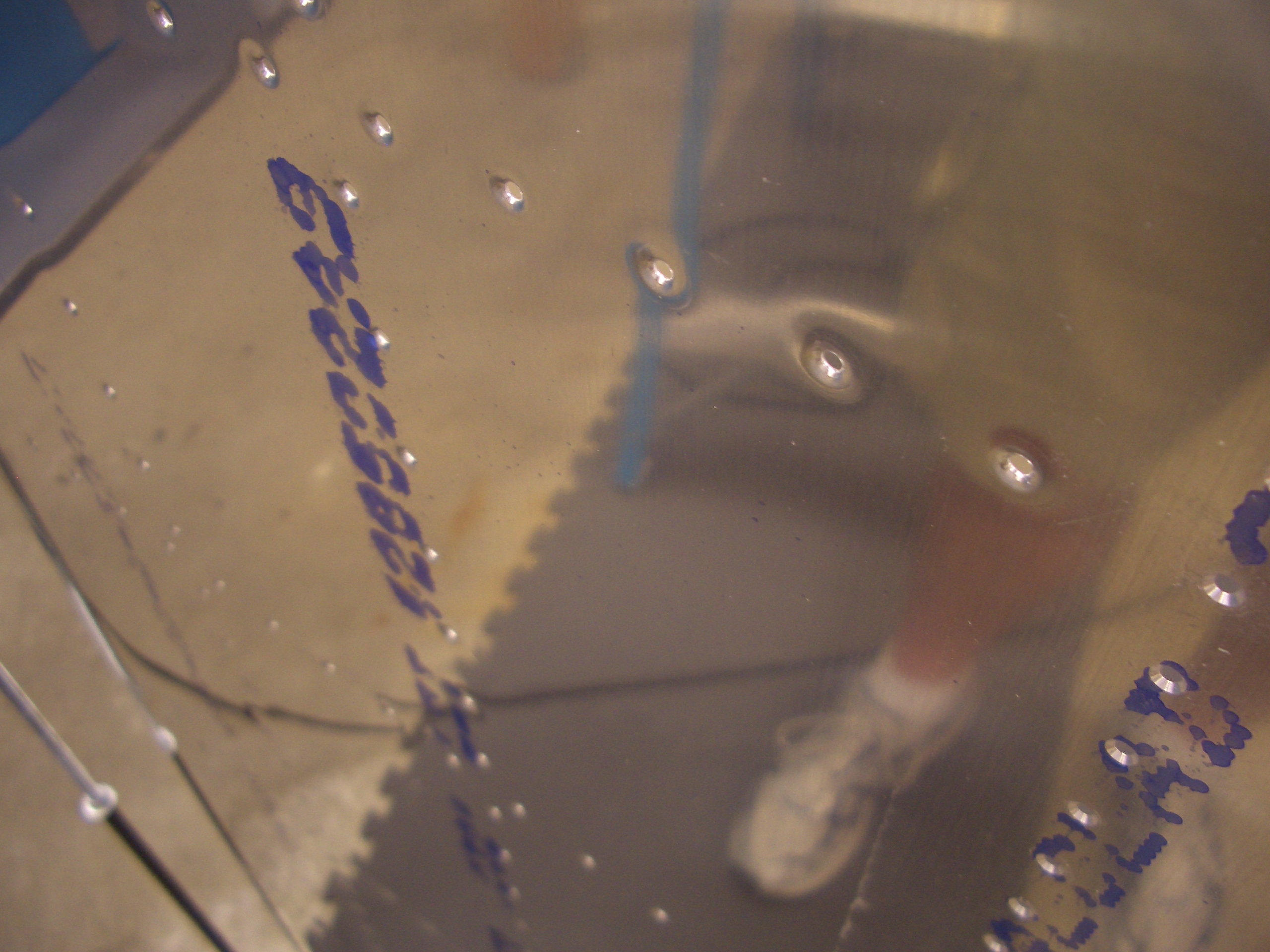
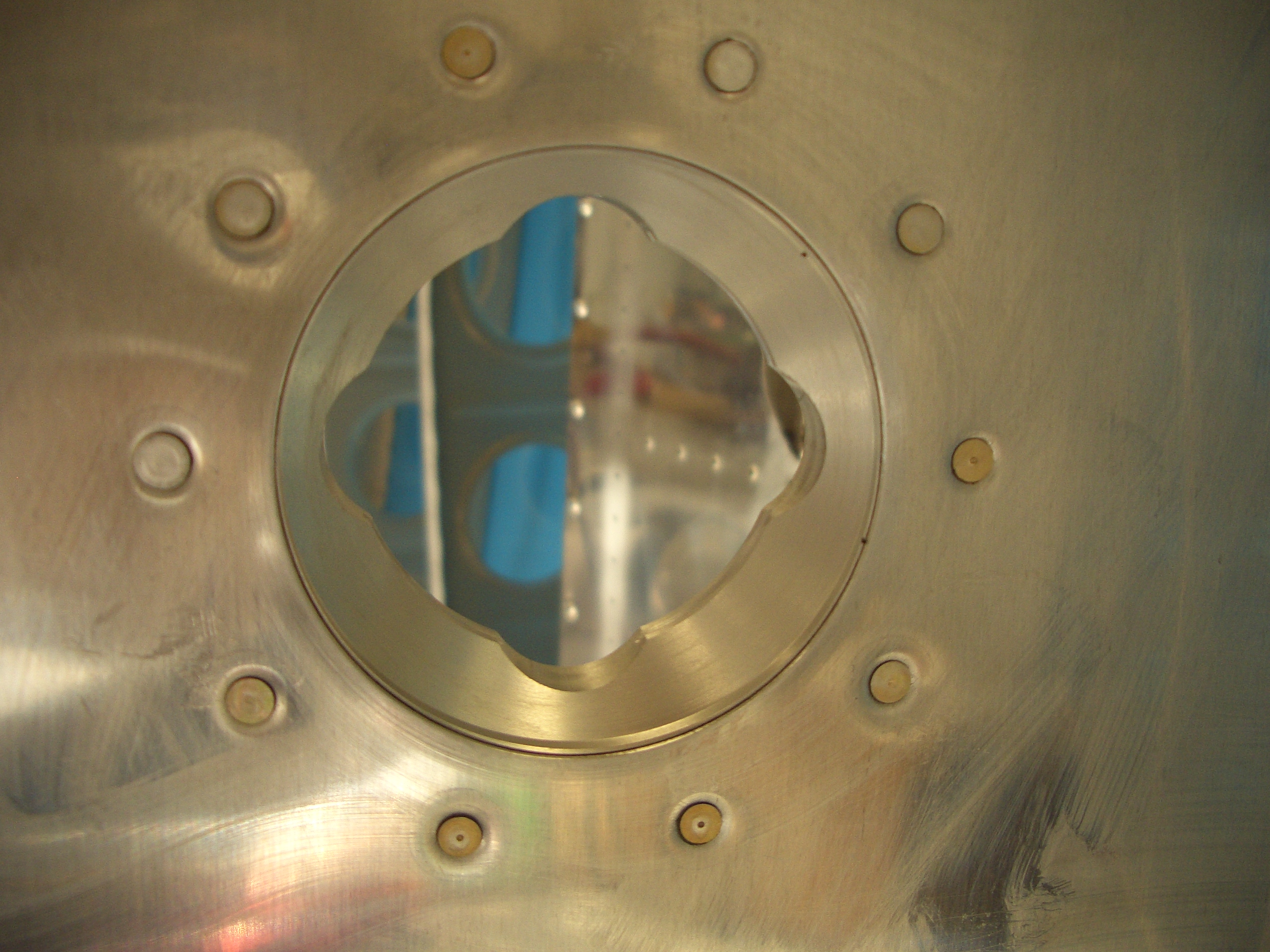
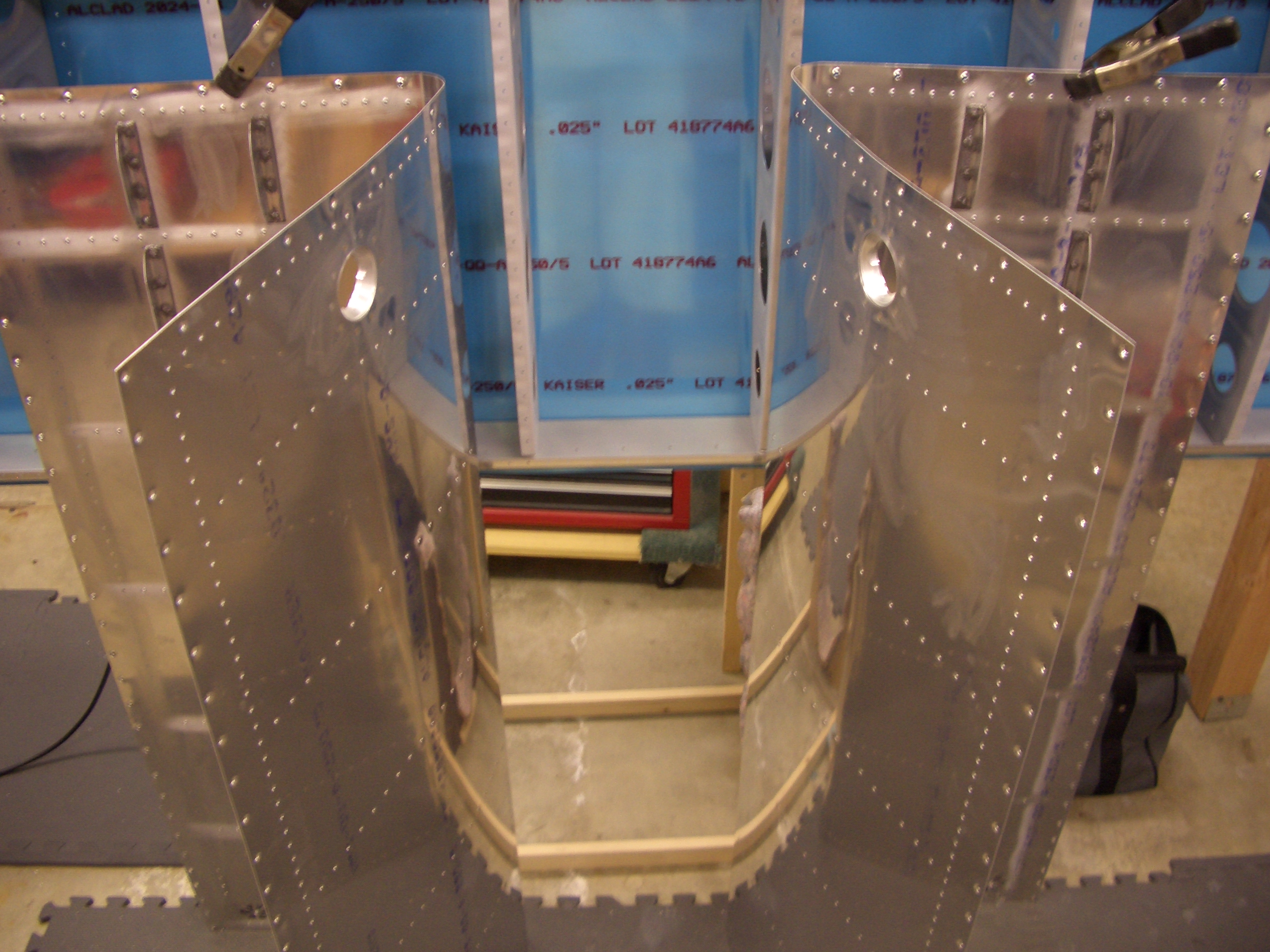
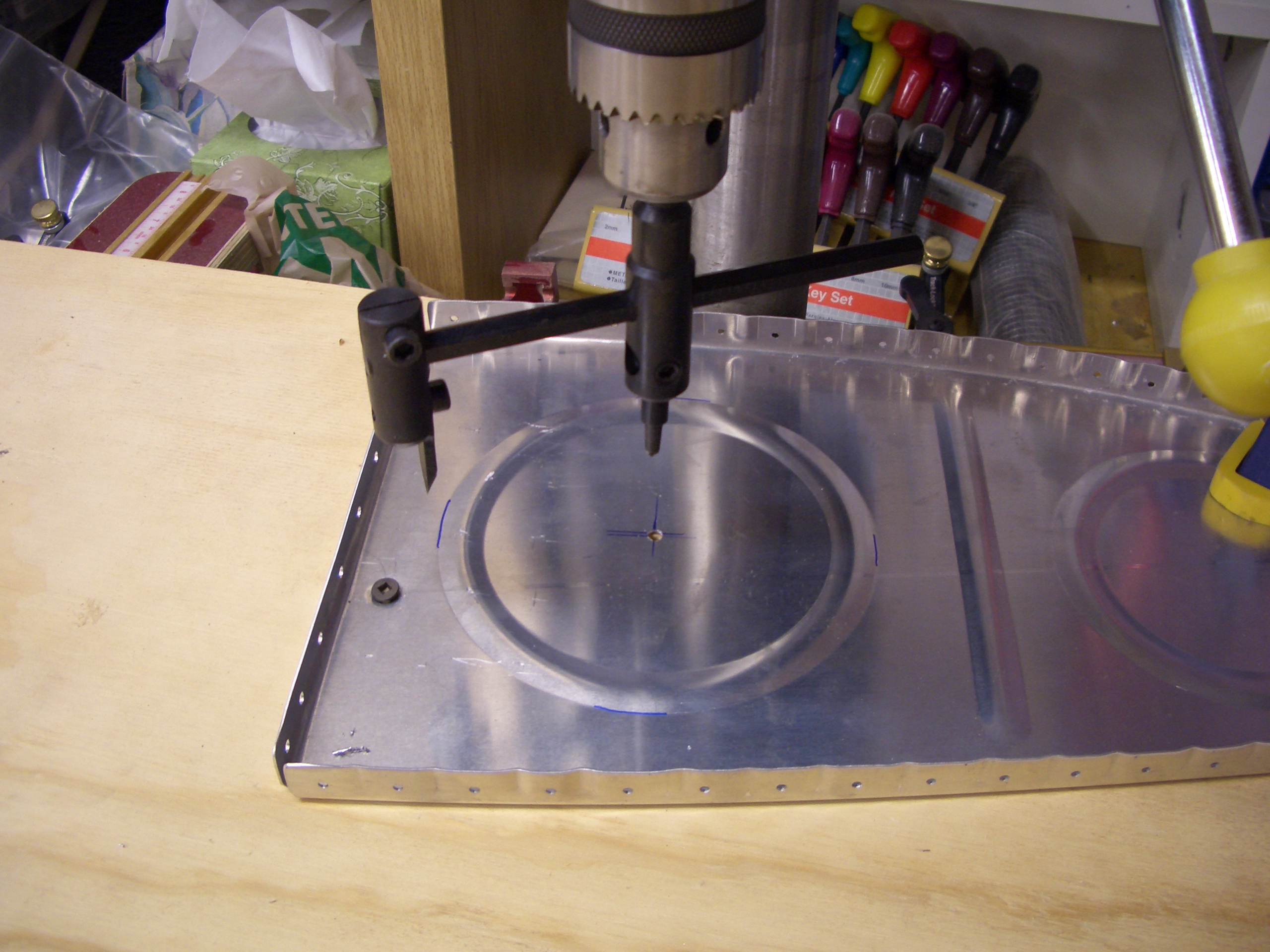
Per the plans, I modified the inboard ribs in each tank so that the inside of the tank can be accessed if the need ever arises.  First up is to cut out the largest stiffener ring.  I used this piece of shit fly cutter from Harbor Freight.  It eventually worked, but this thing sucks and is going in the trash as soon as I buy a quality replacement.

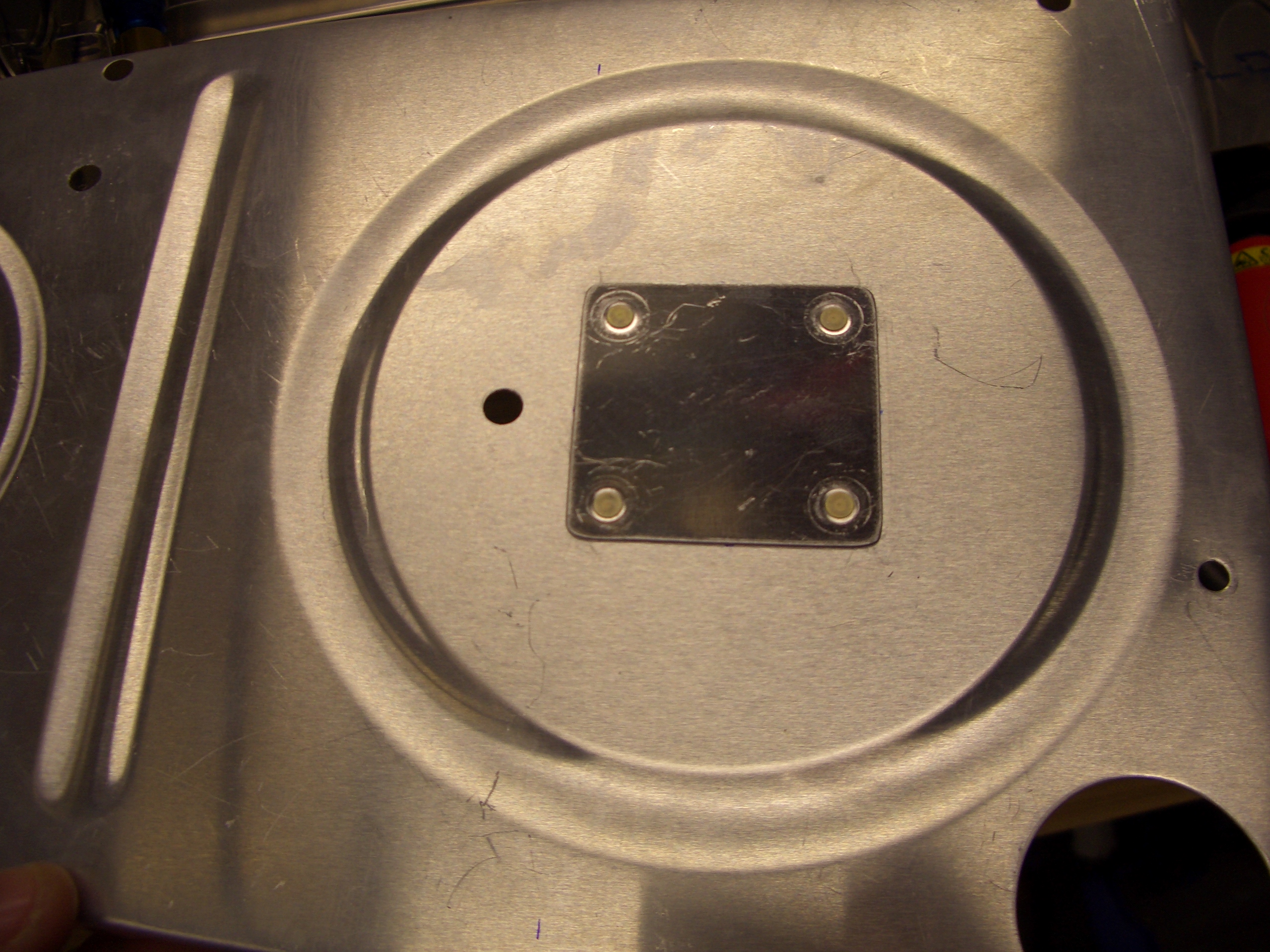
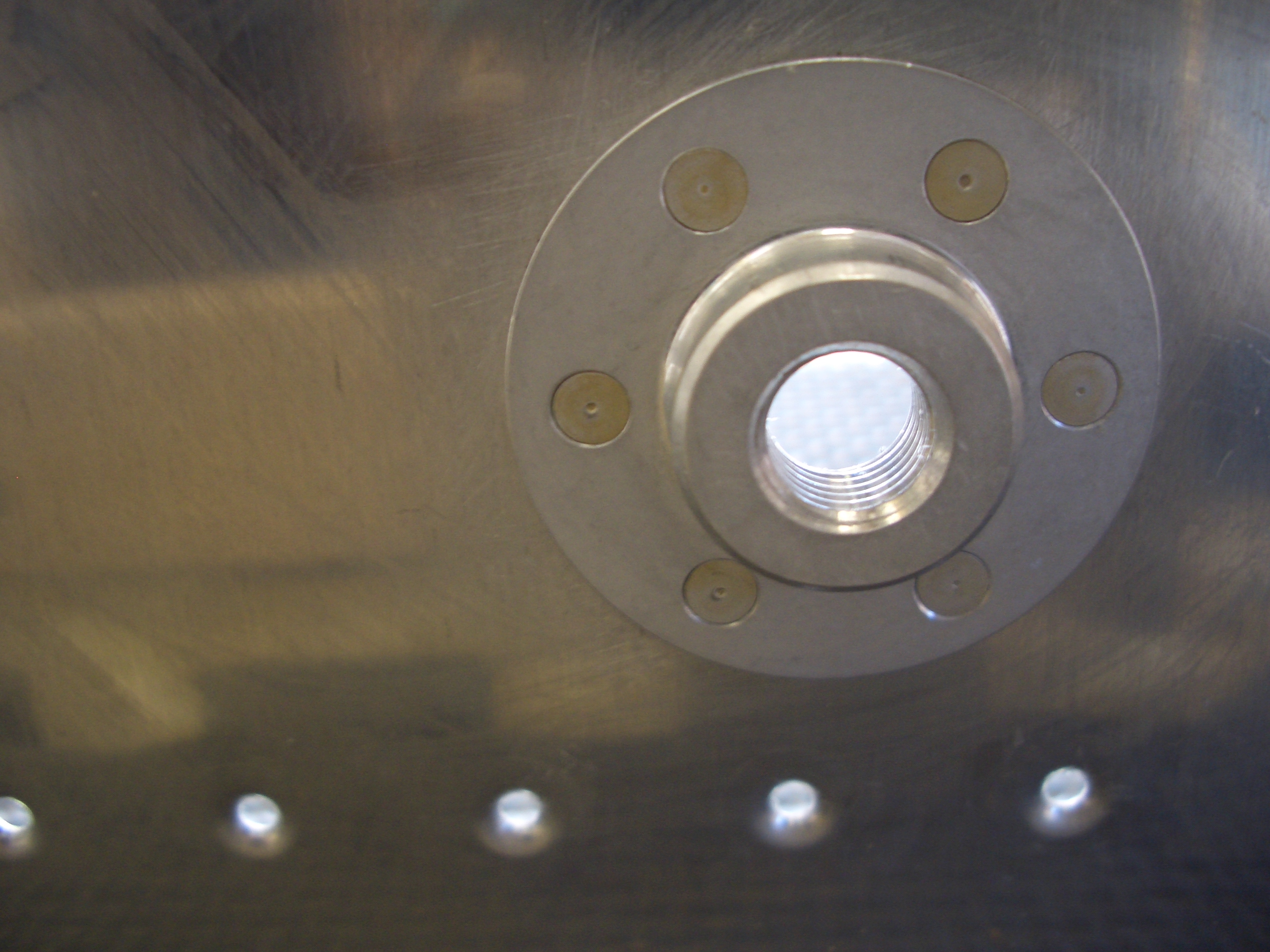
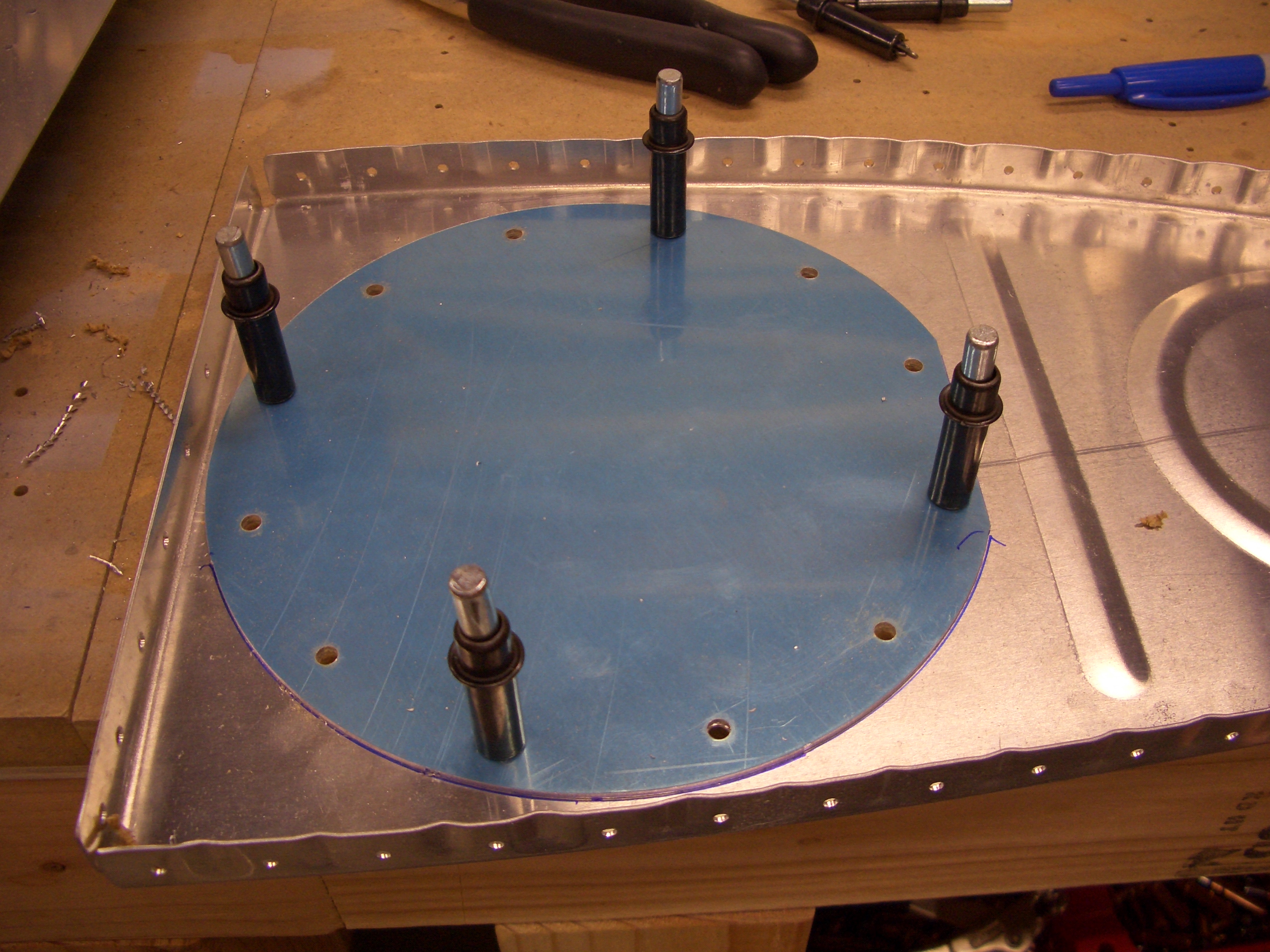
After the hole is cut out and deburred, the access plate is positioned and match drilled to the rib.  Since I’m going with the capacitive fuel sender and flop tubes, this plate won’t have any holes through it.

After the holes are drilled in the rib, the stiffener ring is clecoed to the rib…
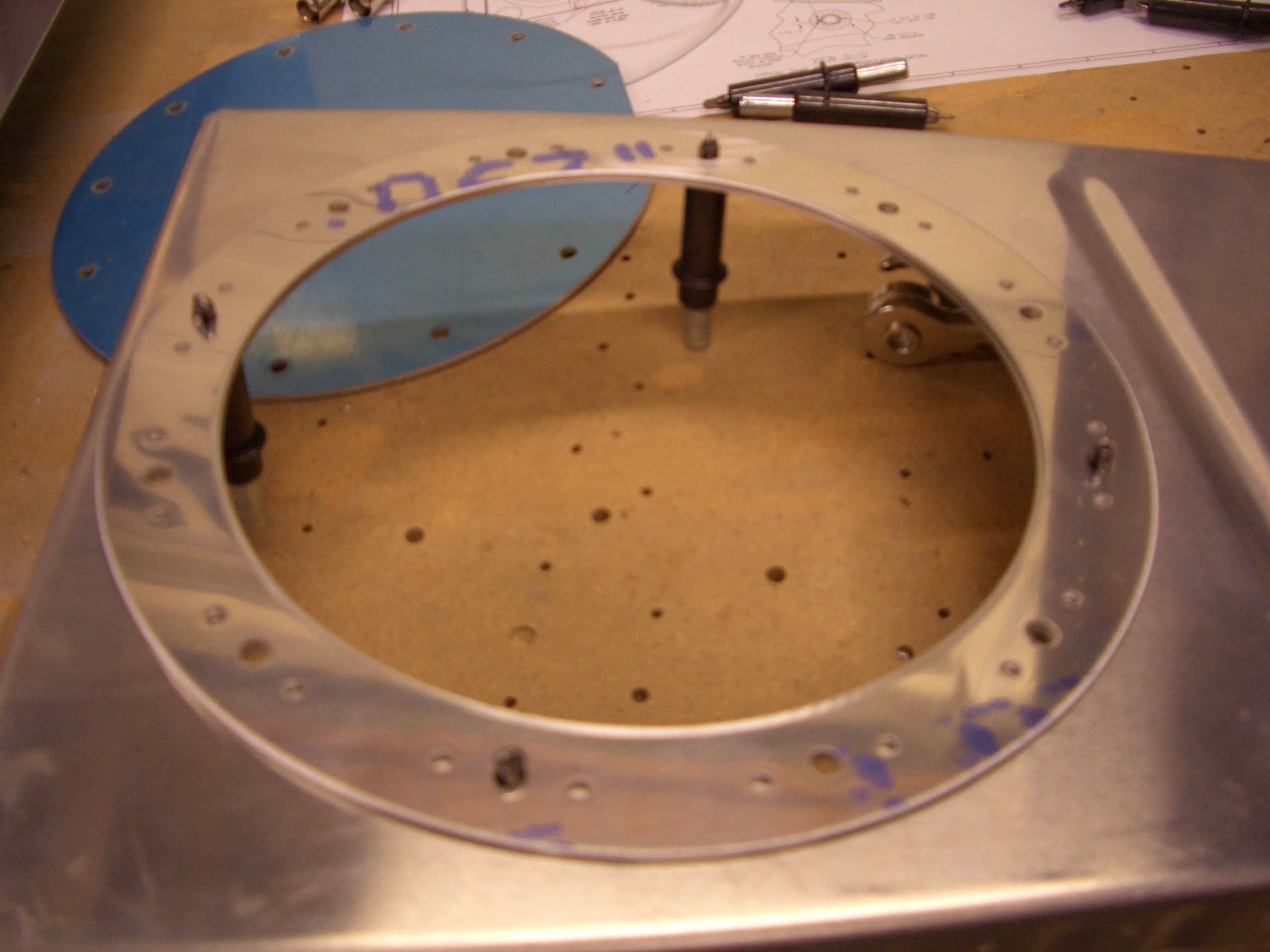

…and the nutplate rivet holes are all match drilled in the rib.
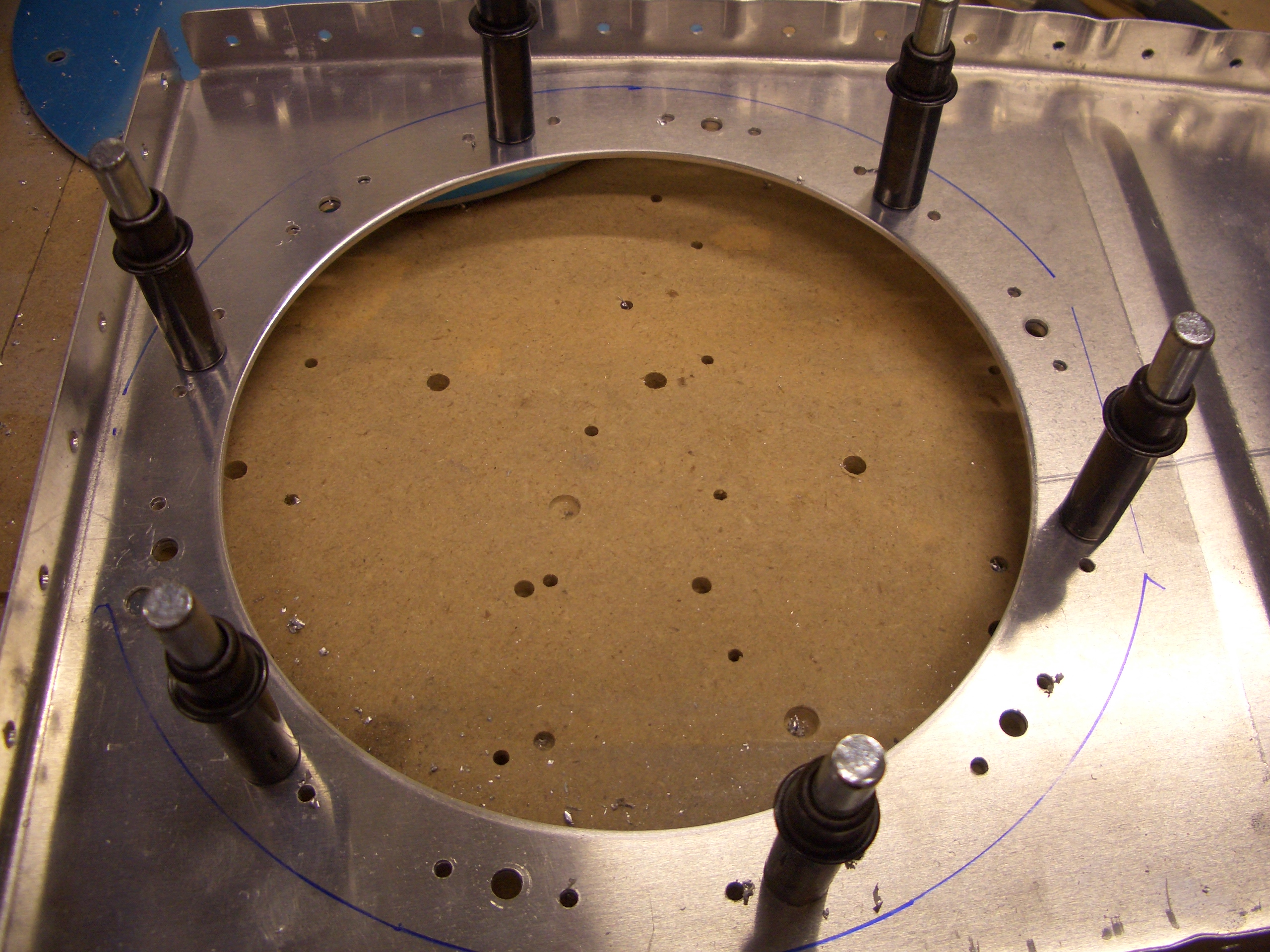

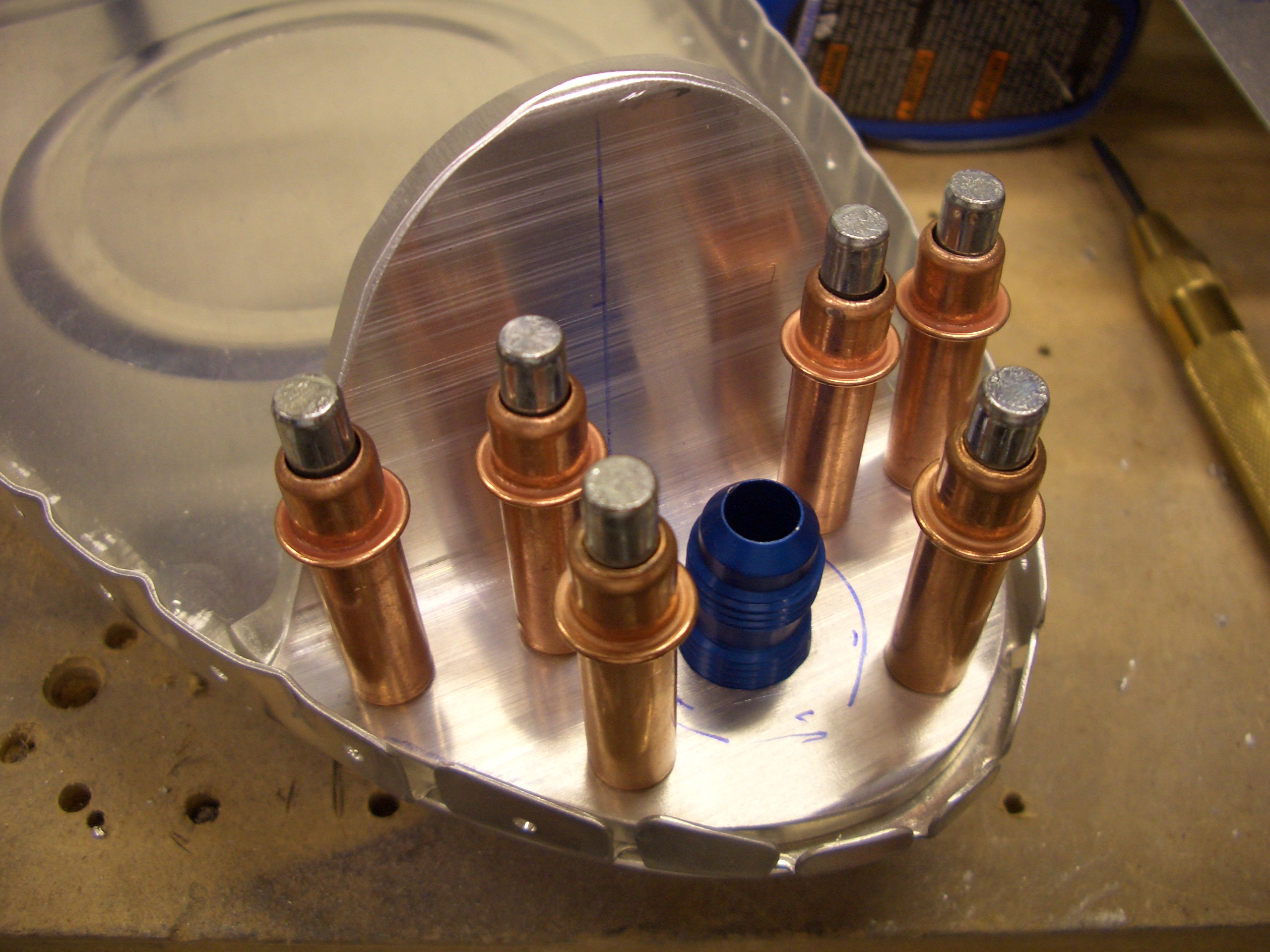
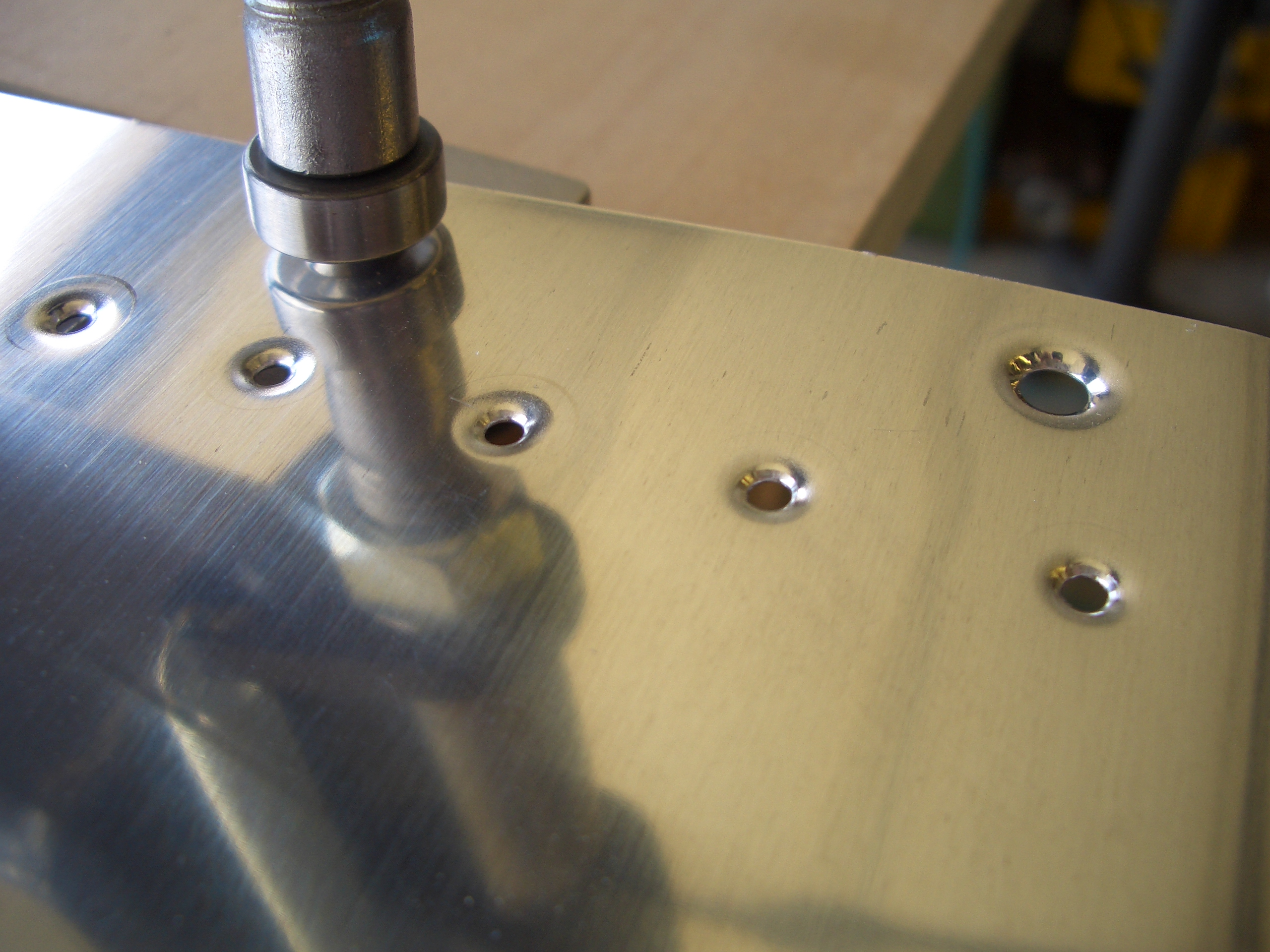
The rib is dimpled using the tank dies for the rivets that will hold the stiffener ring and nutplates in place.
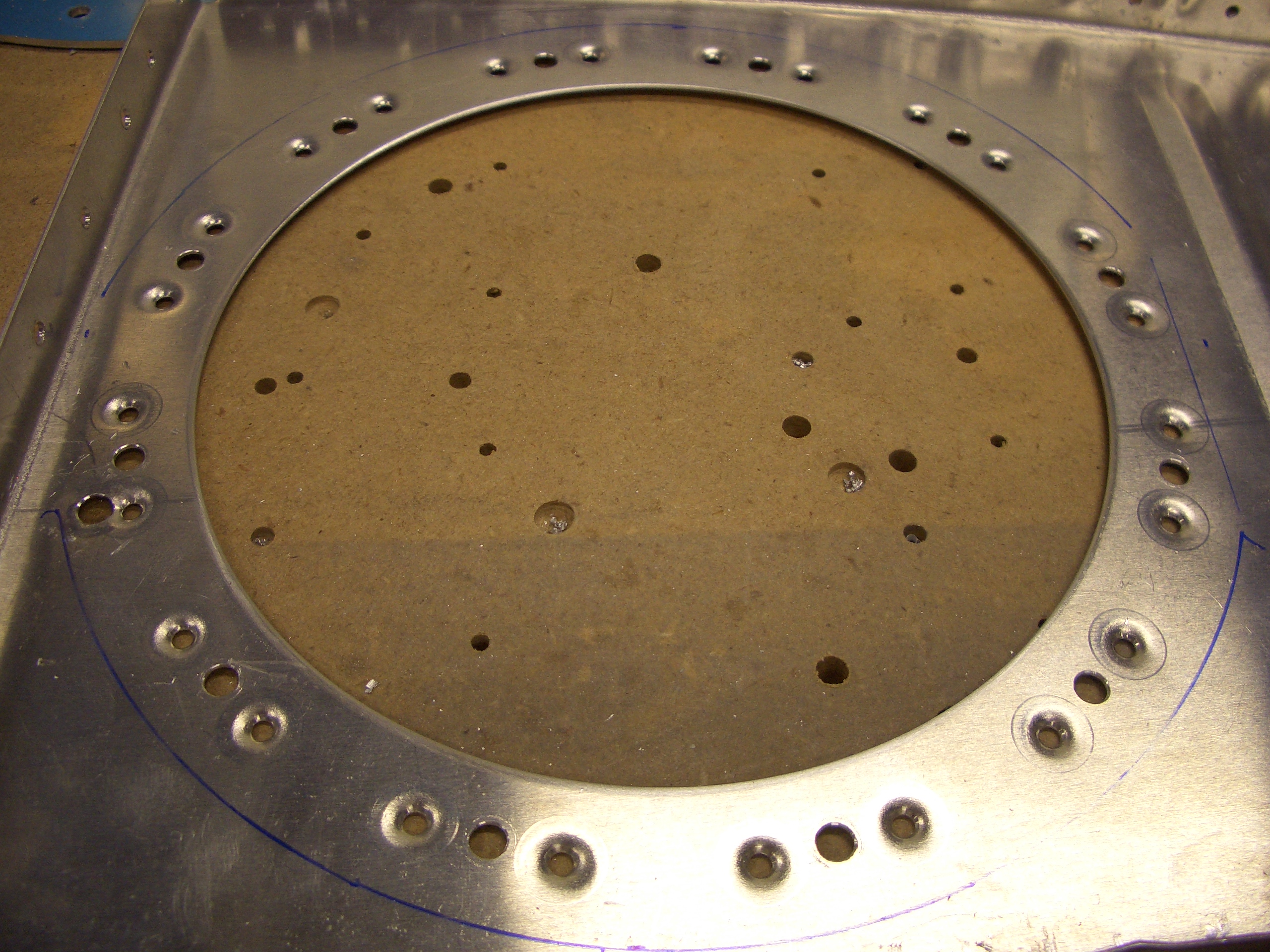

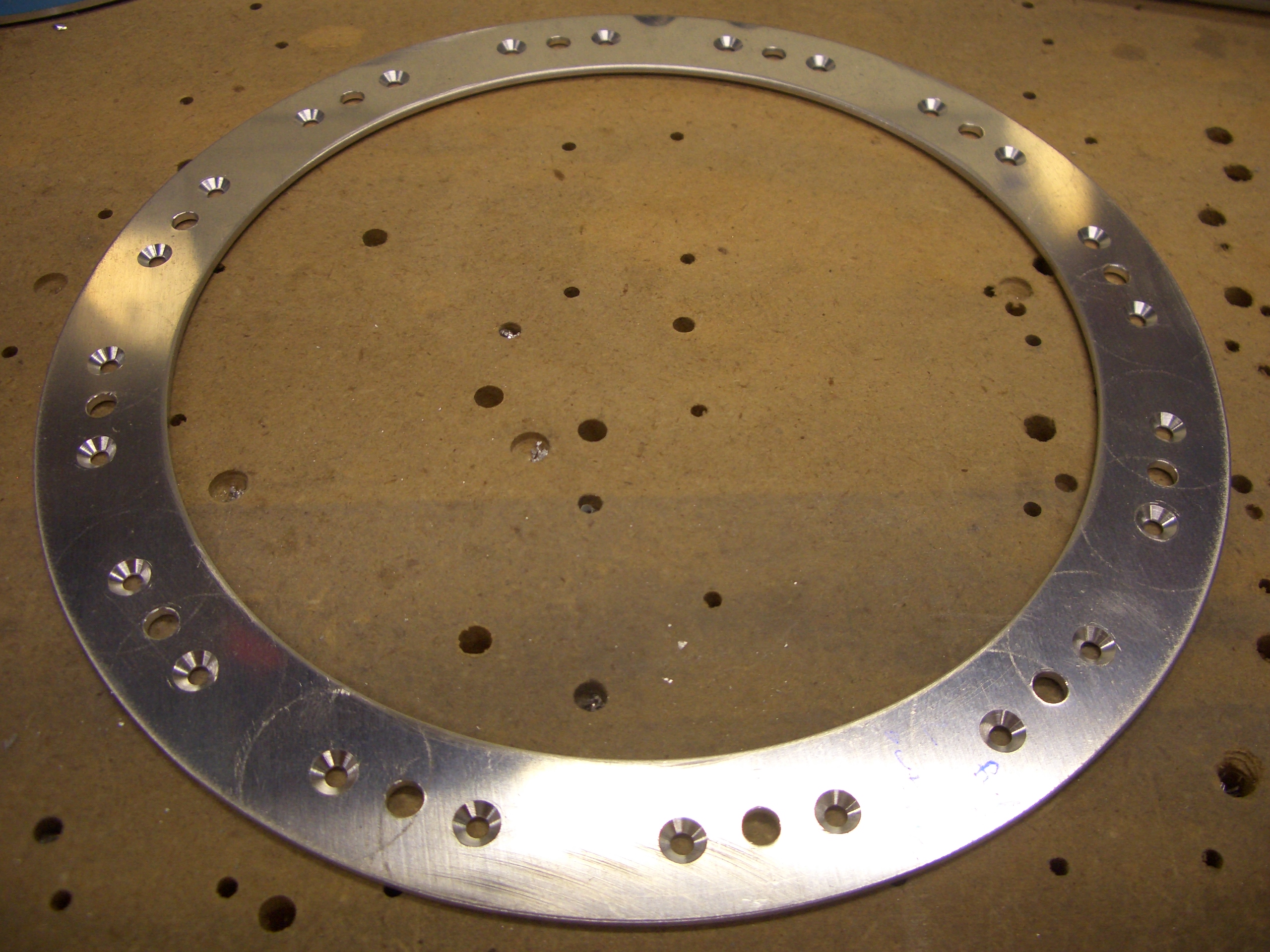
The stiffener ring is countersunk for the dimples in the rib.  These will be set aside and riveted later when I start sealing the tank.
Worked on Tank Alterations for Inverted Fuel

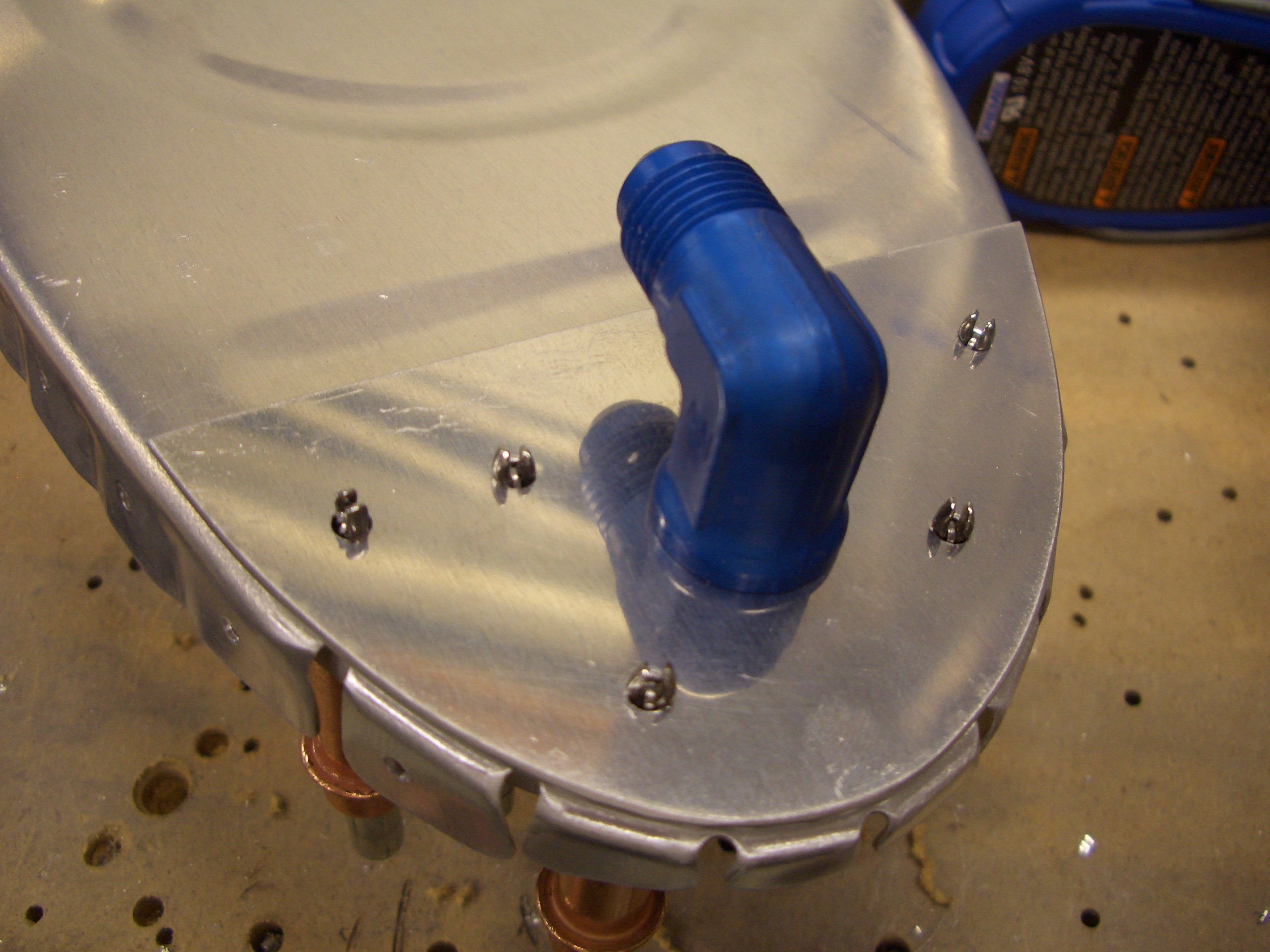
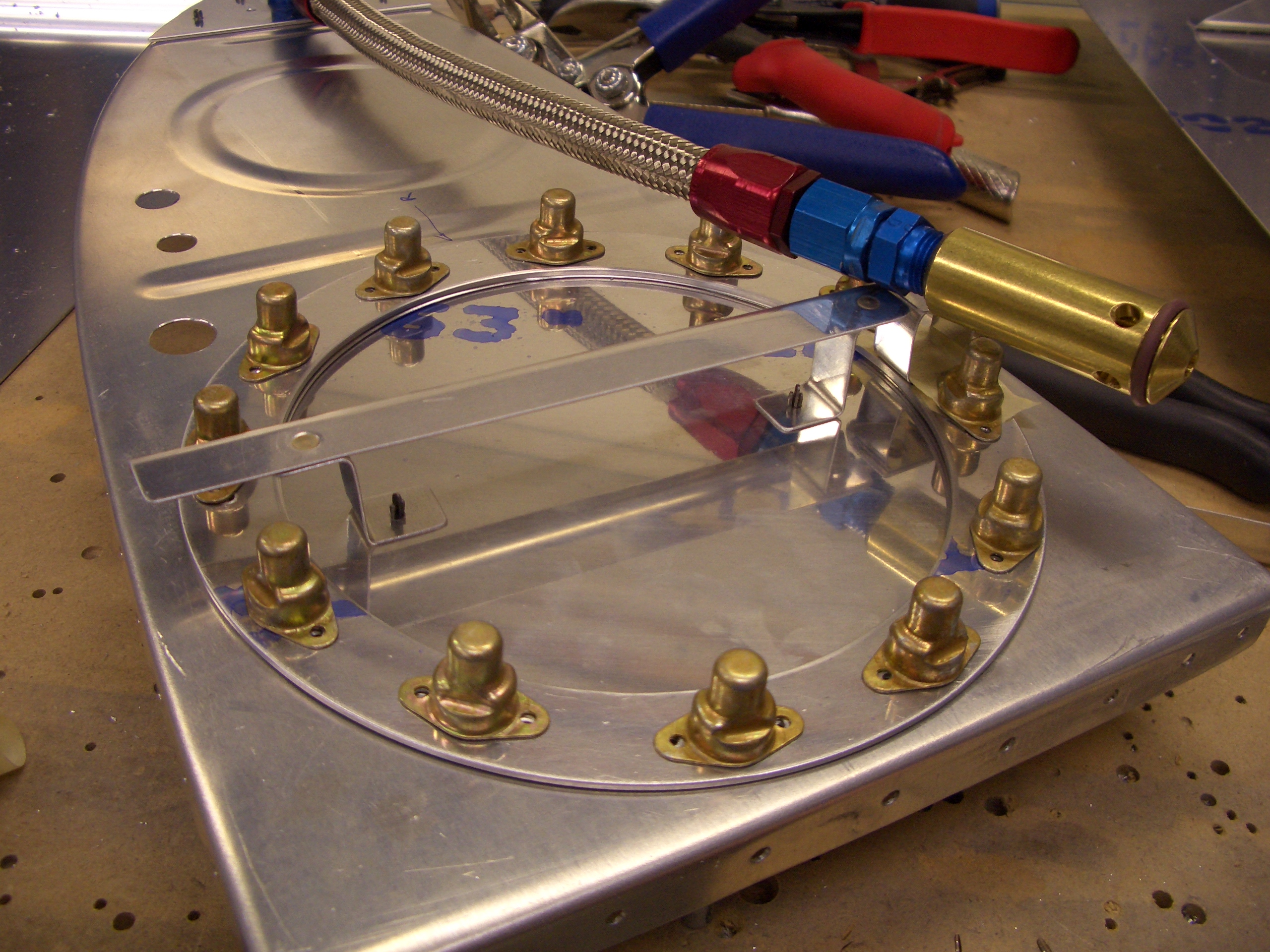
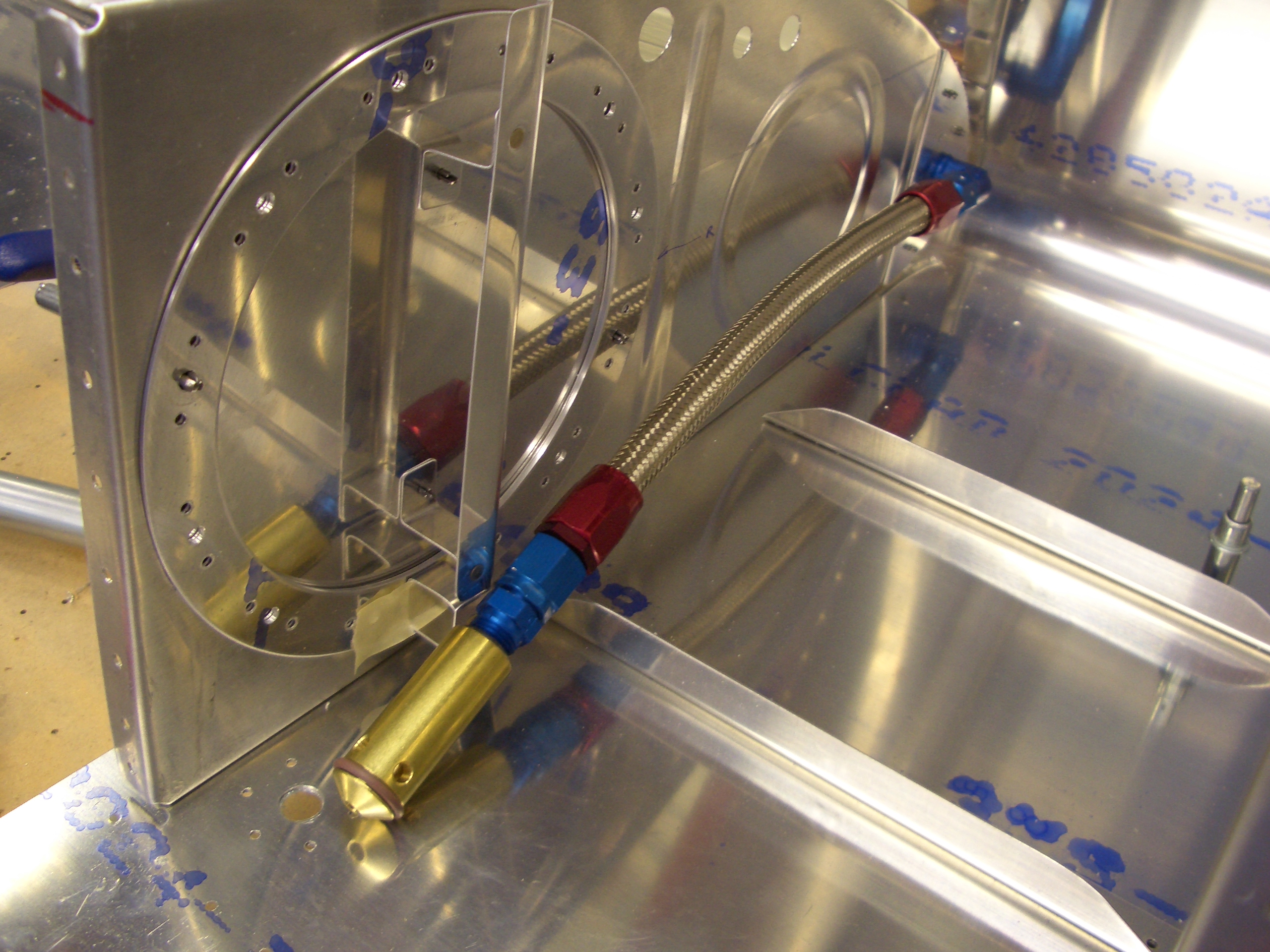
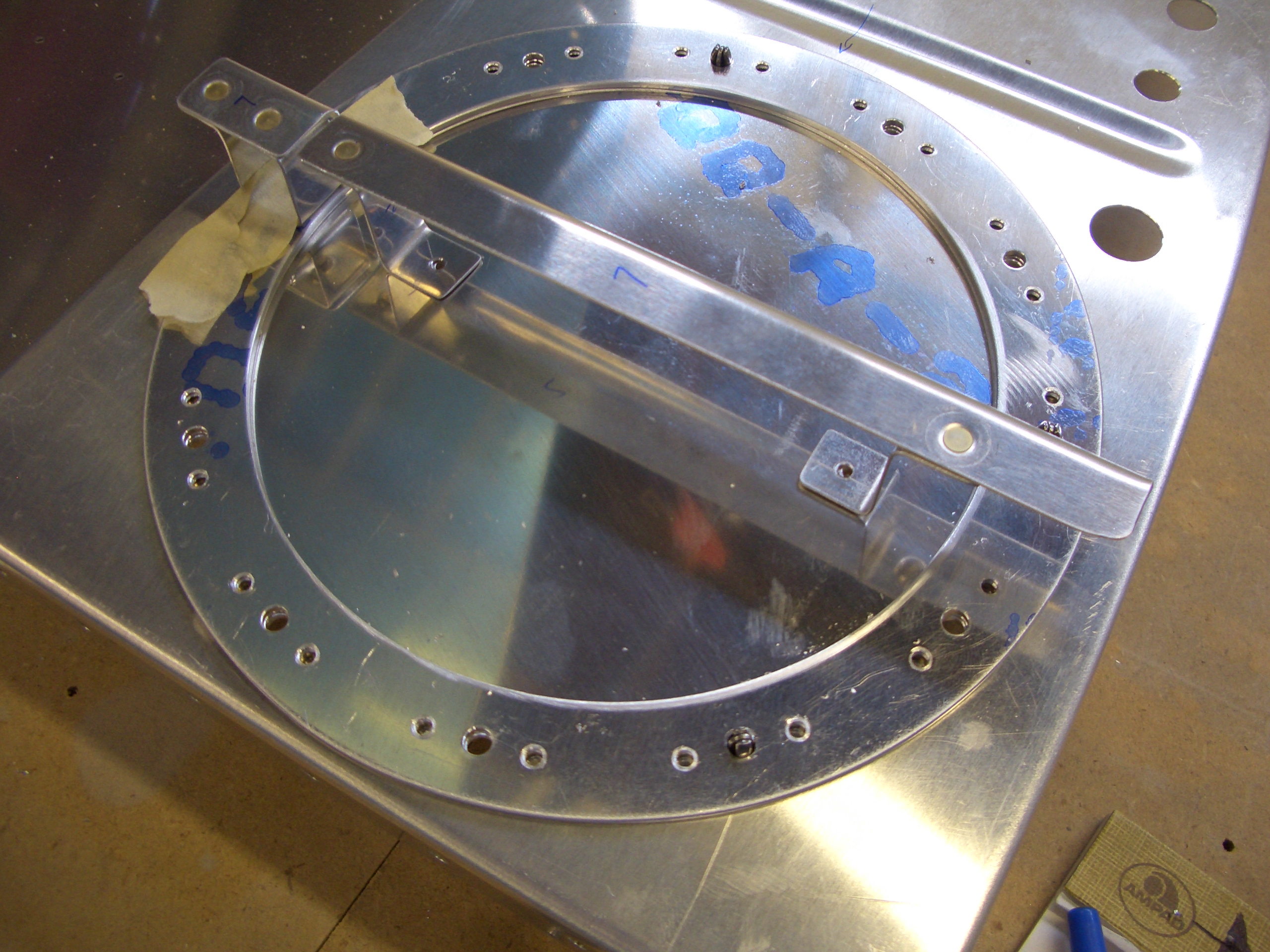
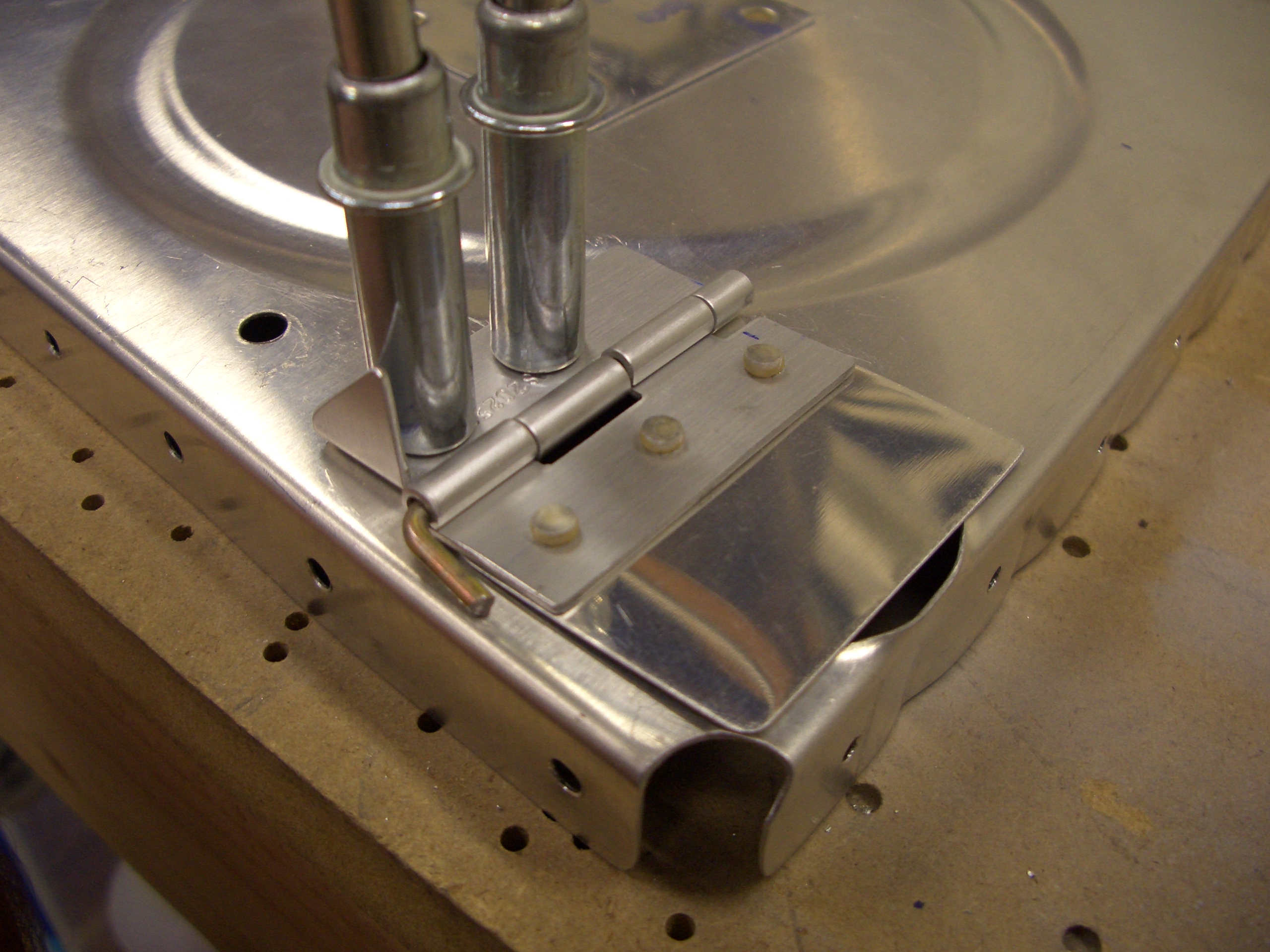
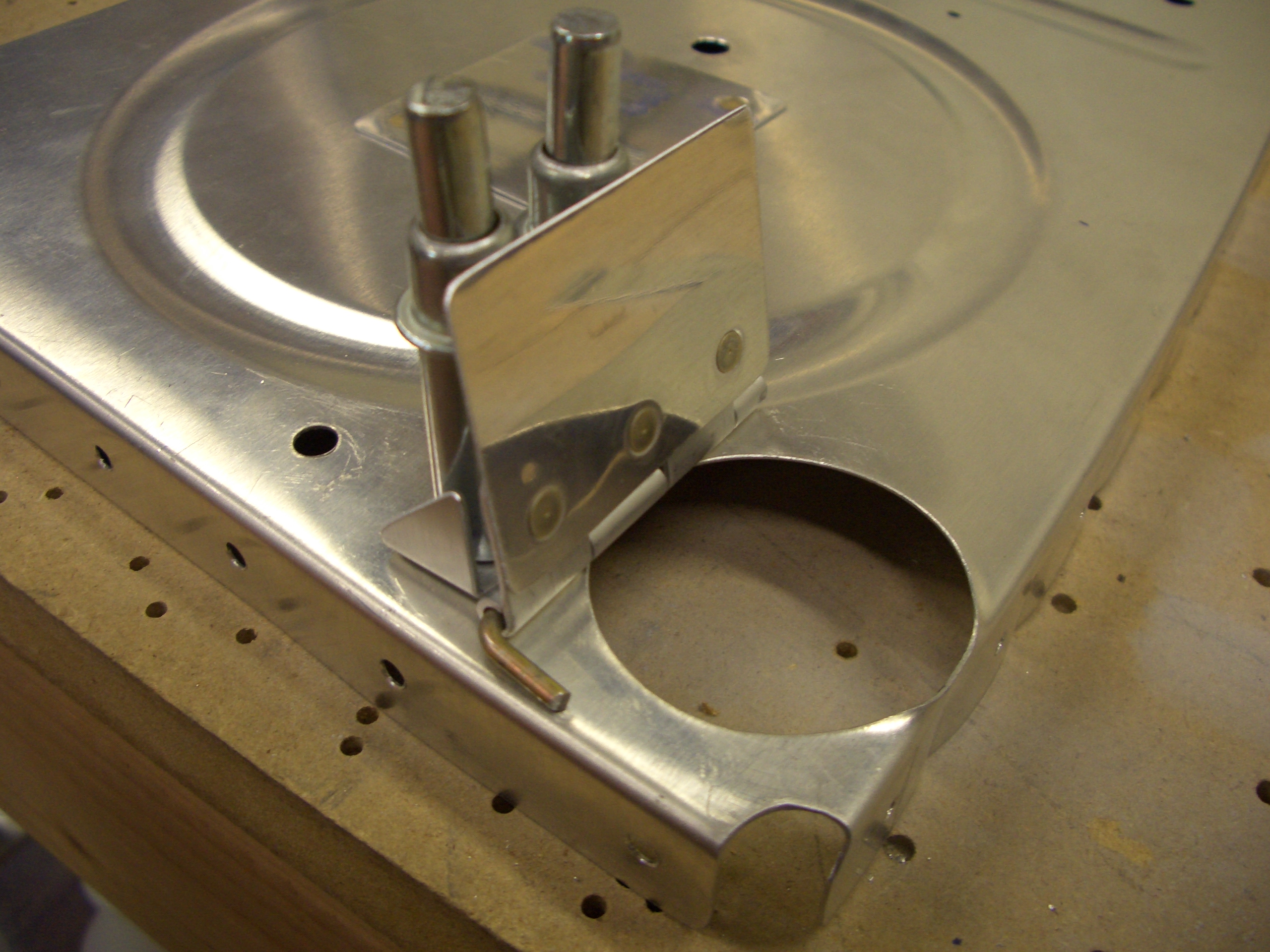
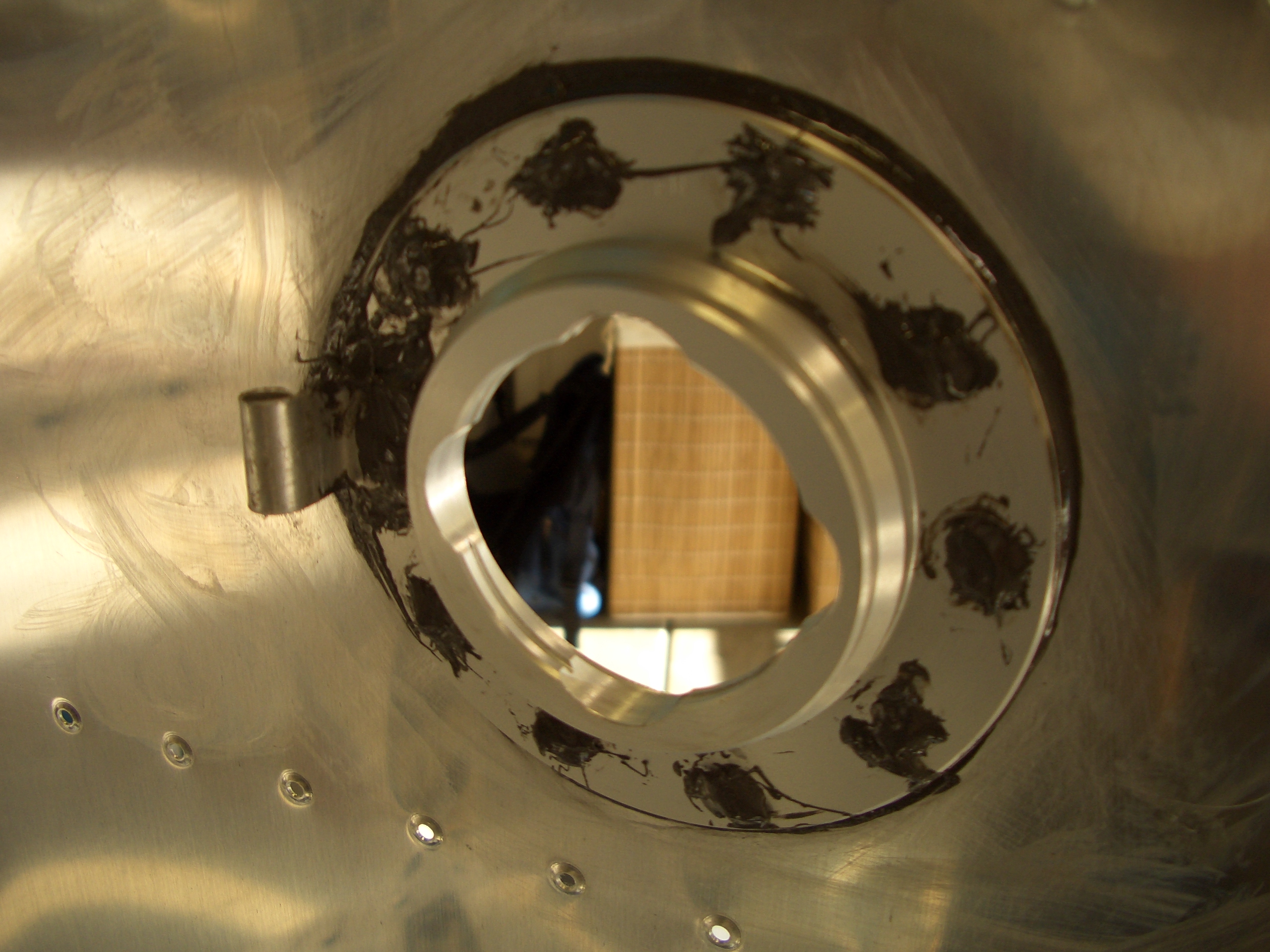
I fabricated a two-piece anti-hangup guide to prevent the flop tube from catching on the nutplates that hold on the tank access plate.  Most of the guide is attached to the access plate so that both come off together (this keeps the guide from blocking access to the interior of the tank if I ever have to get in there).


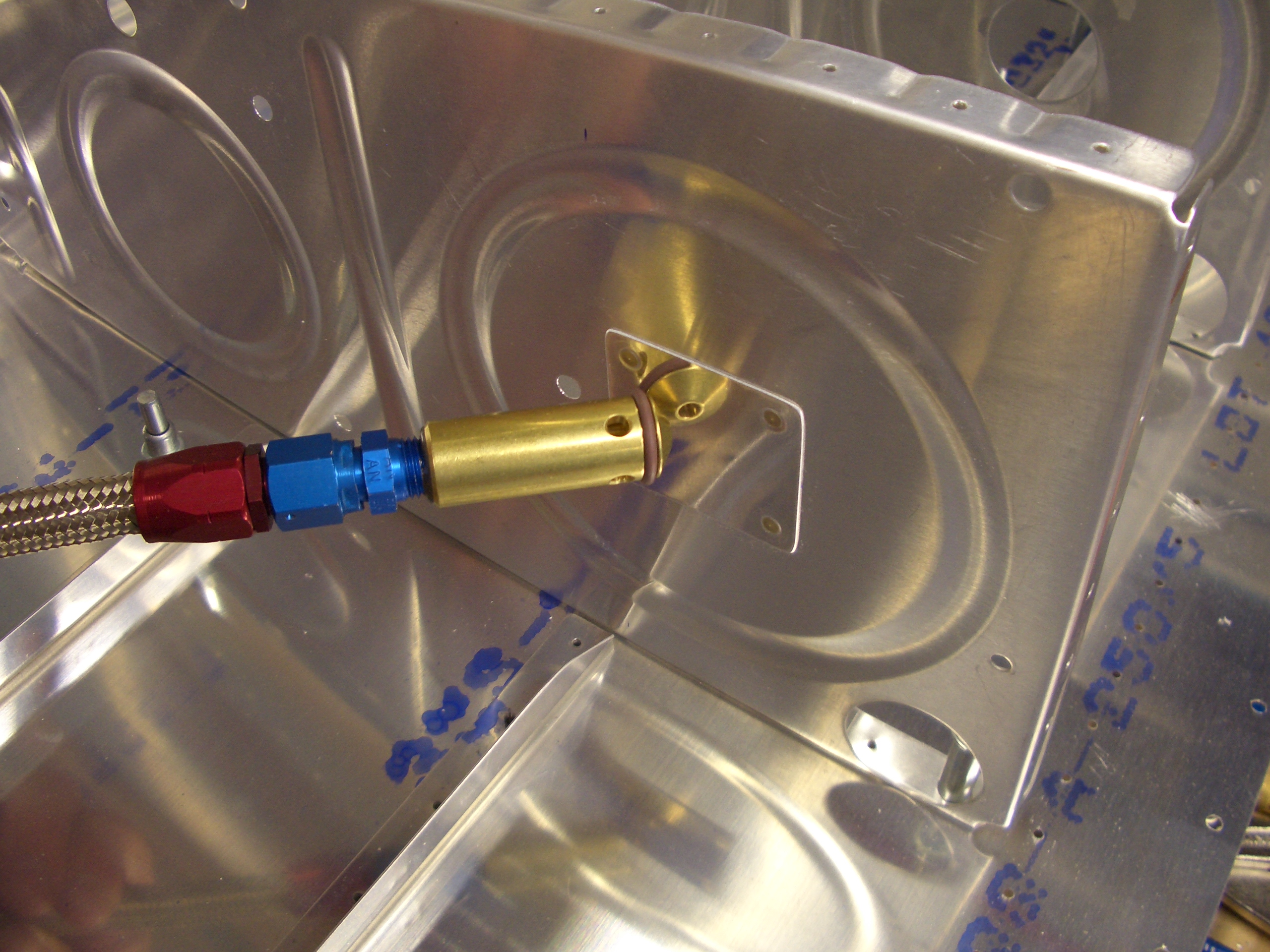
Here is the rib in place in the tank.  The guide moves the pickup out an inch or so from the bottom corner of the tank, but that shouldn’t have a significant impact on the amount of unusable fuel in the tank.


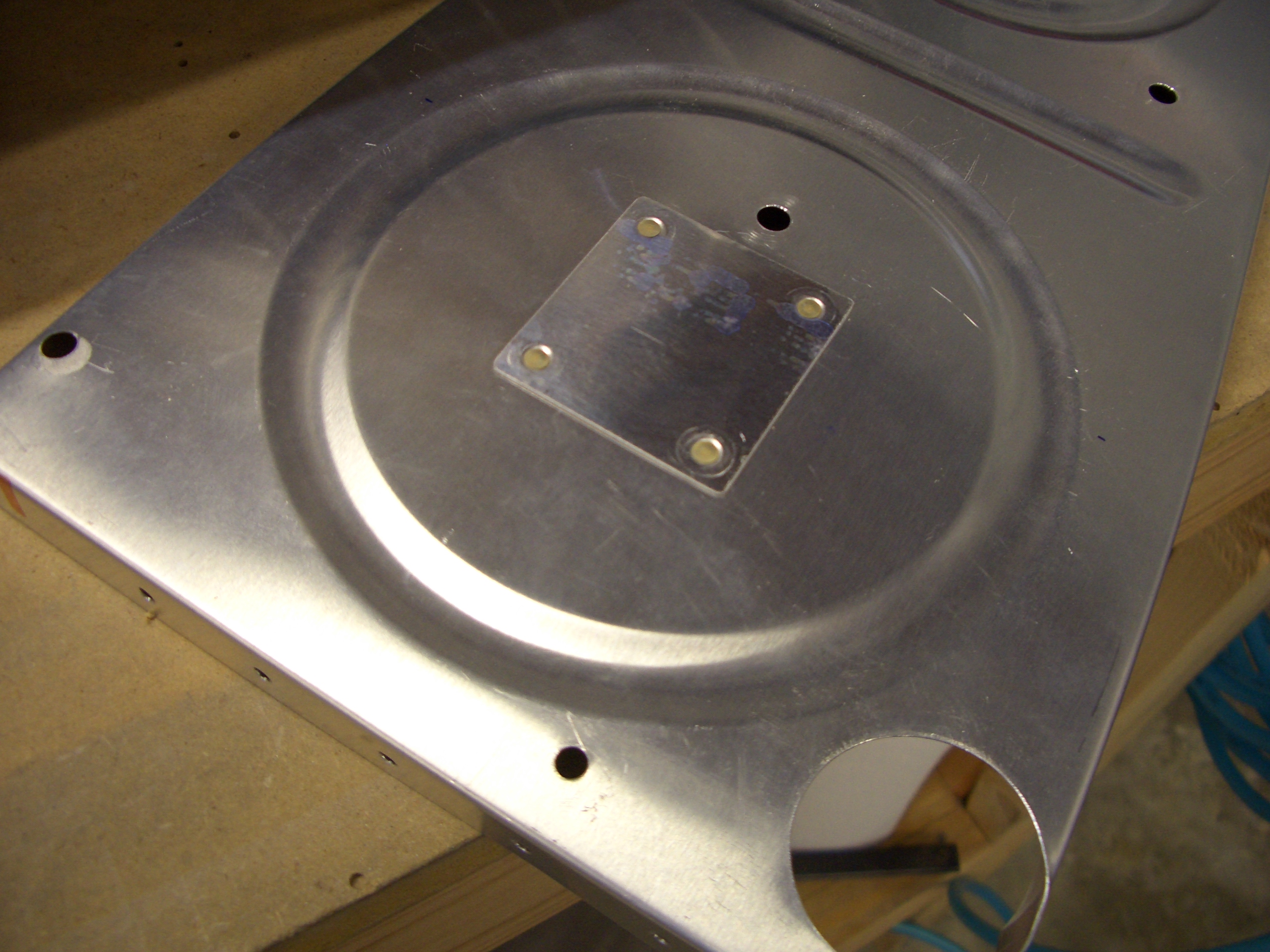
I riveted a cover plate on the large hole in the second rib.


This prevents the flop tube from catching on that hole (and also helps hold fuel in this bay in knife edge flight).

Flop Tube Anti-Hangup Guides

I made two-part anti-hangup guides to prevent the flop tubes from getting hung up on the nutplates surrounding the access plates.  The plans call for a single piece guide that rivets across the opening.  The problem with this is that it severely impedes access to the interior of the tank if I ever need to open it up for some reason.  Most of this two-part guide is attached to the access plate and comes off with the plate, providing unimpeded access to the interior of the tank.


I also riveted covers over the large holes in the second ribs to keep fuel in the inboard bays during knife edge flight.

Trap Doors

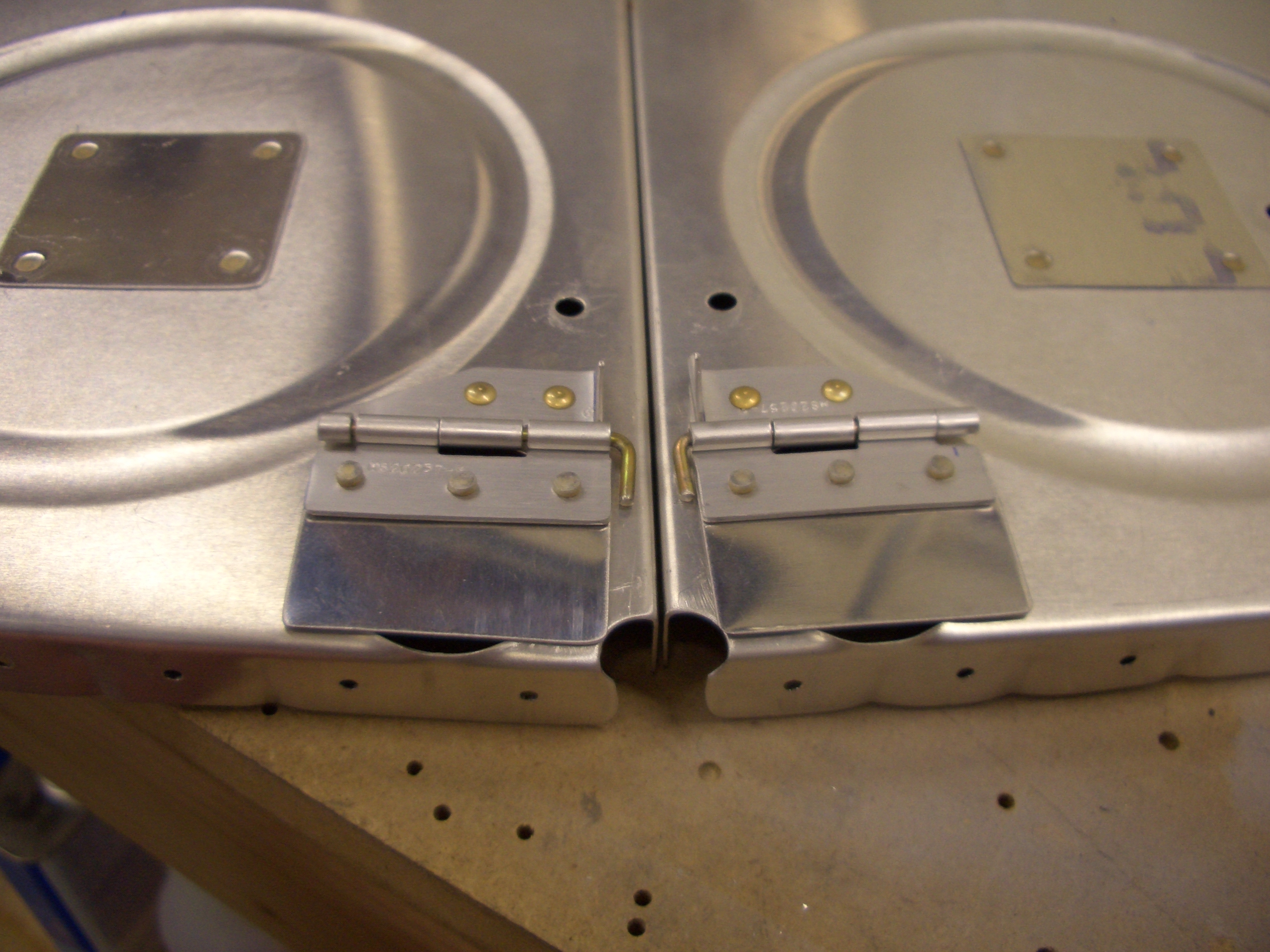
I also fabricated trap doors that assist in keeping fuel in the inboard bays during knife edge flight.


The trap doors swing open freely to allow fuel into the inboard bays, but swing closed to keep fuel in these bays as long as possible.

Trap Doors and Tank Prep

Both of the trap doors are finished and riveted to the second ribs.


I also deburred and dimpled the rivet holes on one of the skins.  There are a lot of holes in the tank skins since the rivets are placed closer together than on other skins.

More Tank Prep

No pictures today, but I got the other tank skin deburred and dimpled as well as deburred most of the ribs (did I mention how many holes are in the tanks?).  I’m hoping to have the tanks ready to start sealing by this weekend.

Riveted Fuel Tank Stiffeners

My buddy Andre stopped by today to help me work on the fuel tanks.  I had a few details to wrap up before starting to use the sealant.  First up is to debur and dimple the #8 screw holes on the perimeter of the tanks.


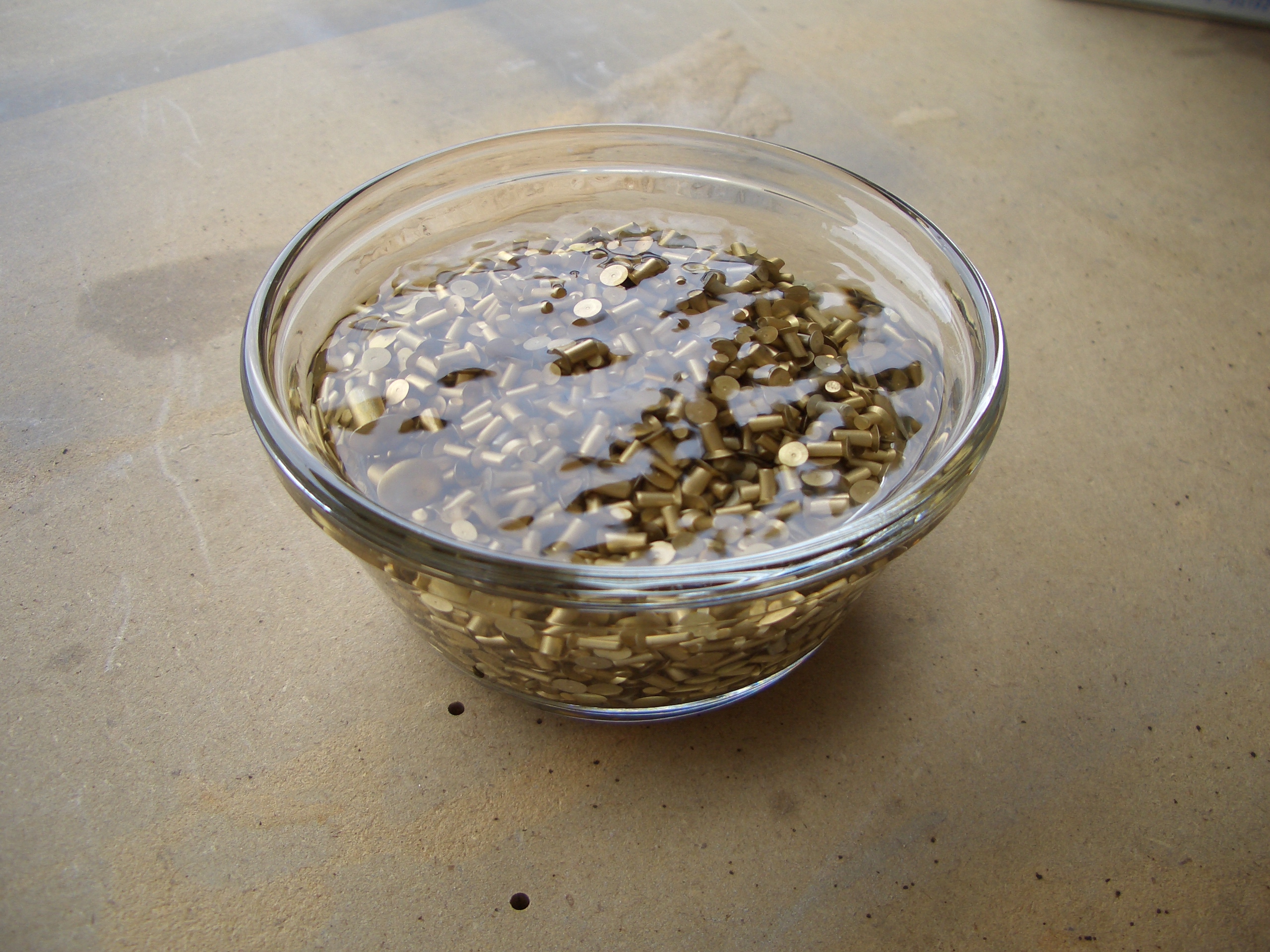
The rivets need to be cleaned by sloshing them around in some MEK.


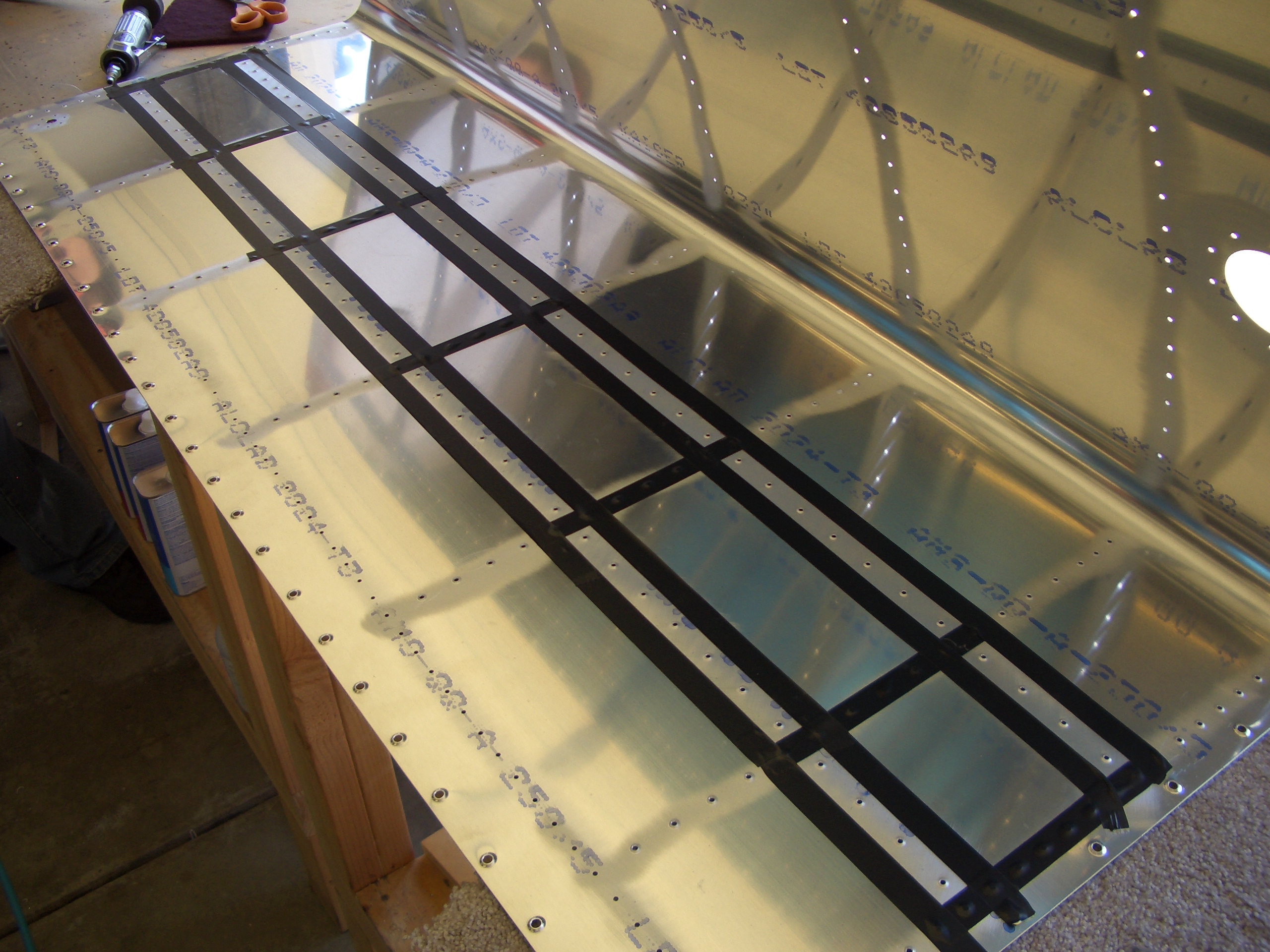
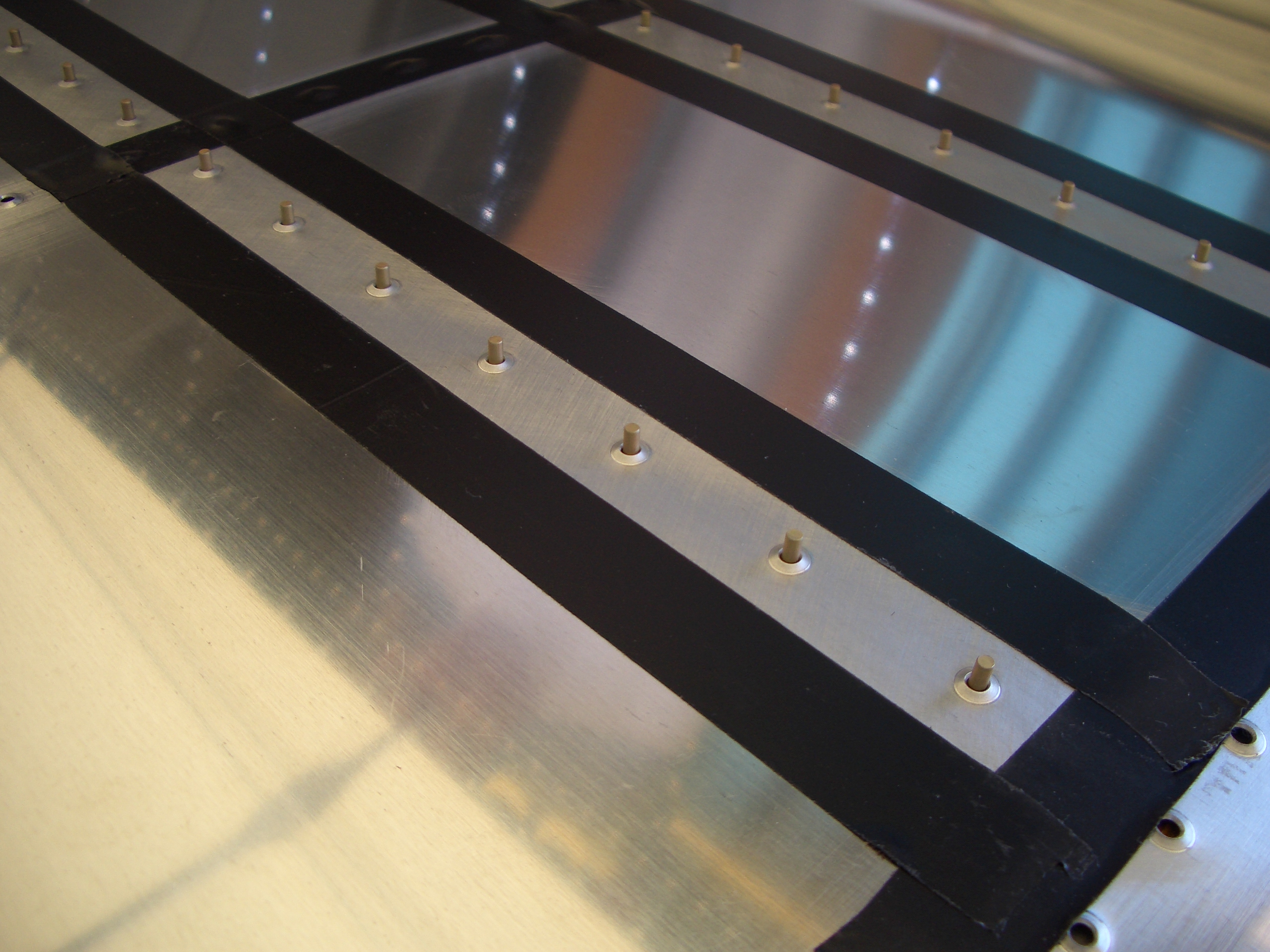
I lined the area around the stiffeners with electrical tape to keep the tank sealant from making too big a mess.


Rivets are installed in the holes and held in place with rivet tape.


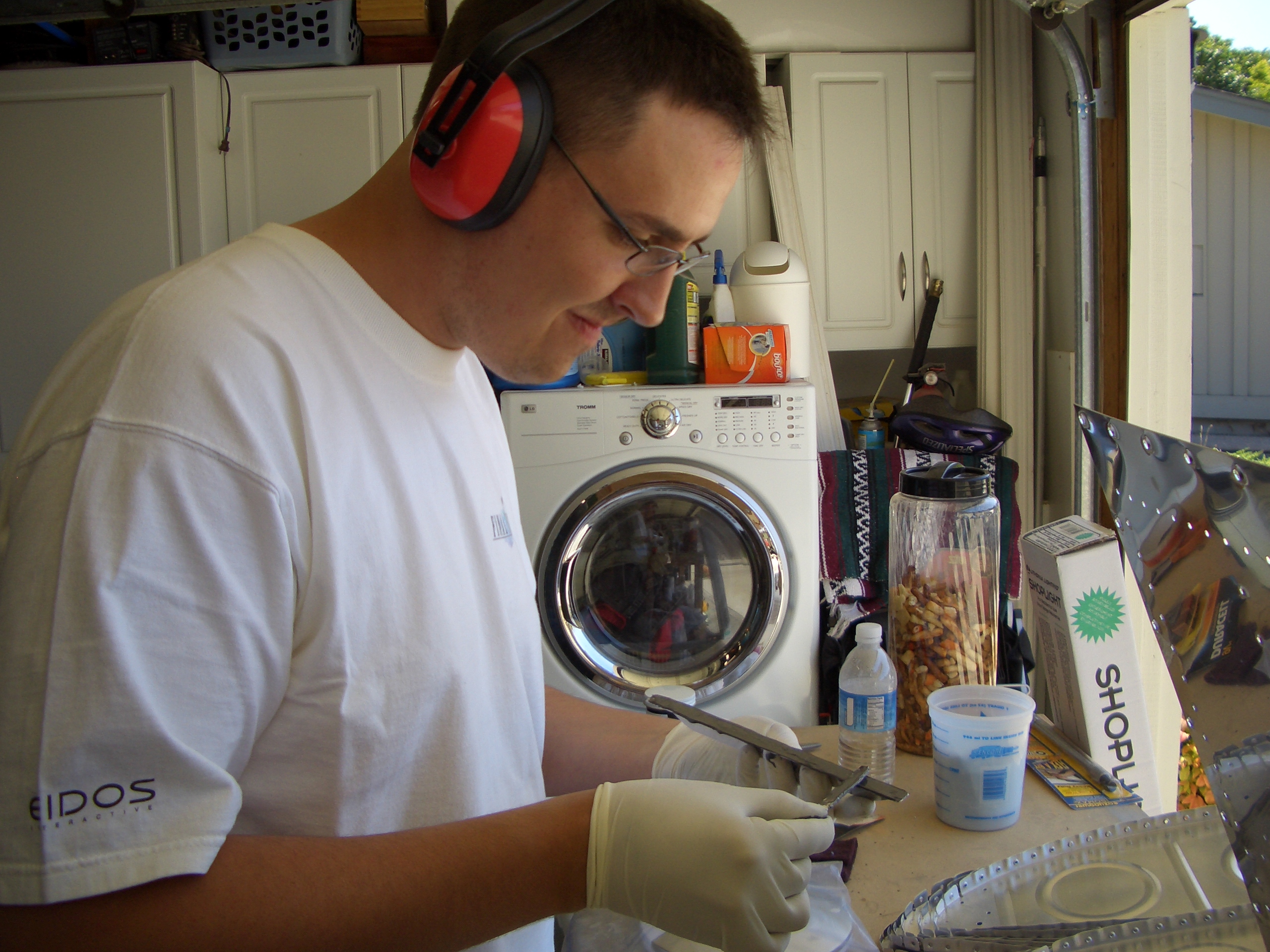
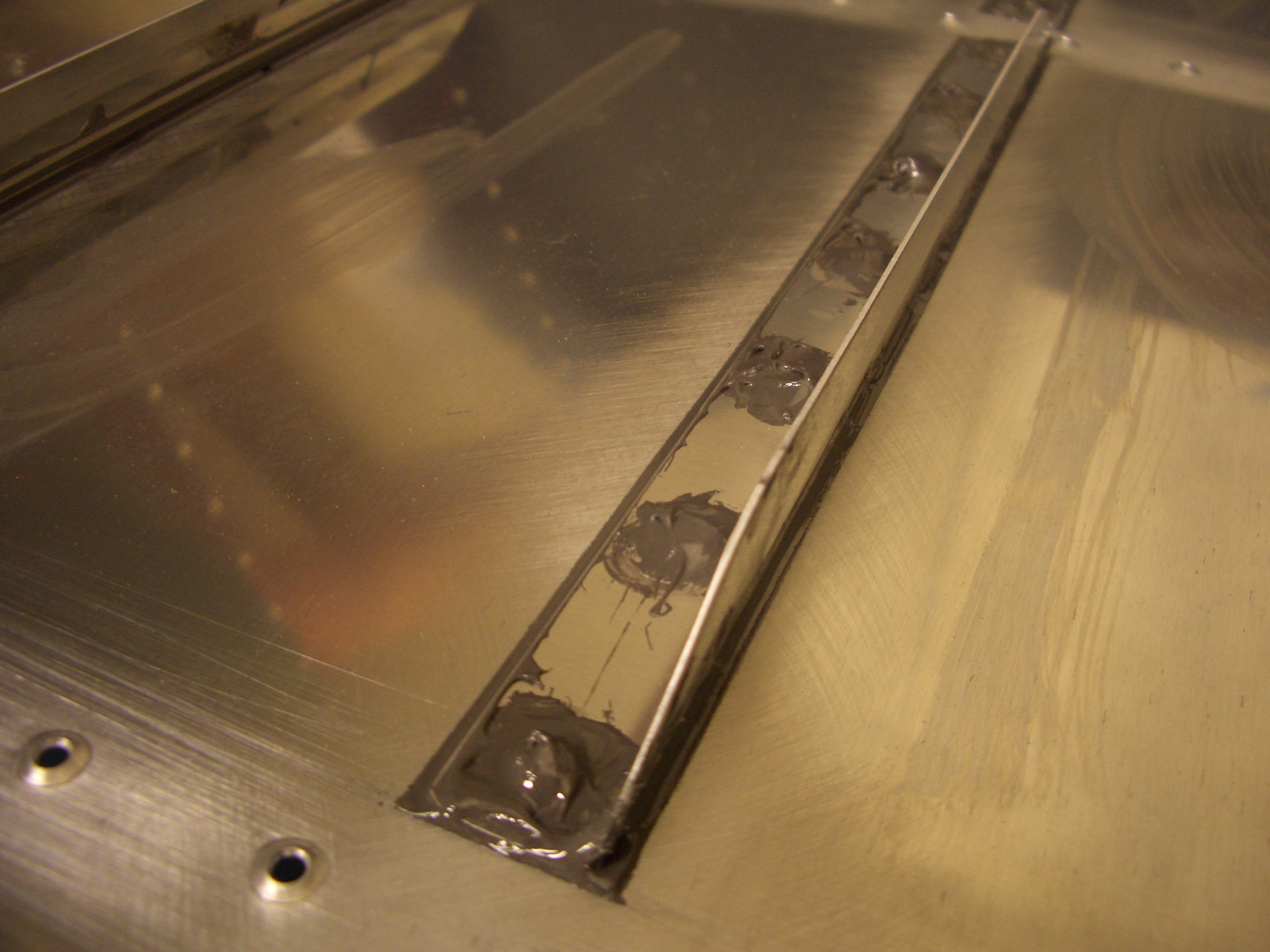
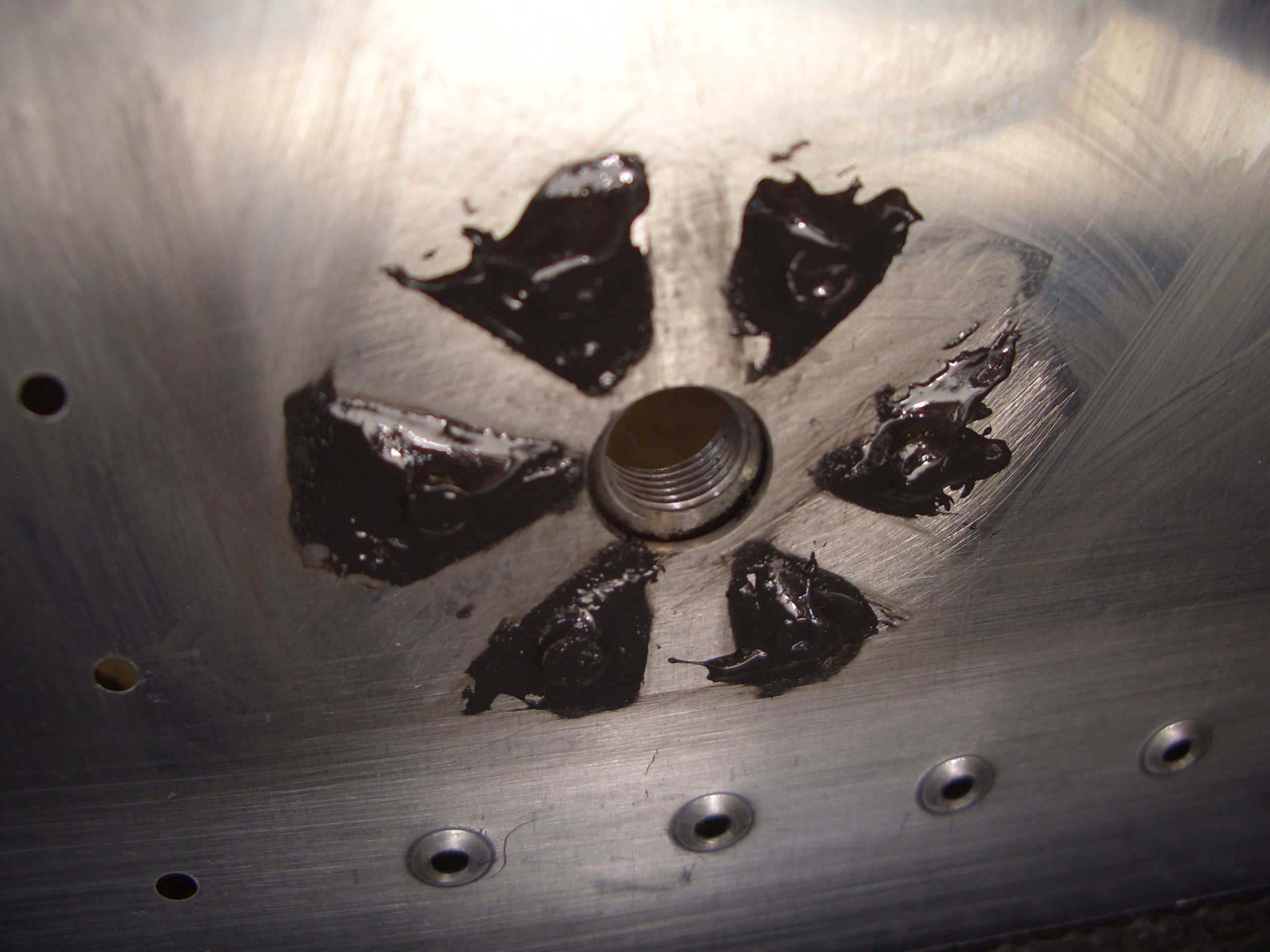
Then the stiffeners are coated with a thin coat of sealant on the mating surface.  Here is Andre in action.


They are then pressed over the rivets and back-riveted into place.


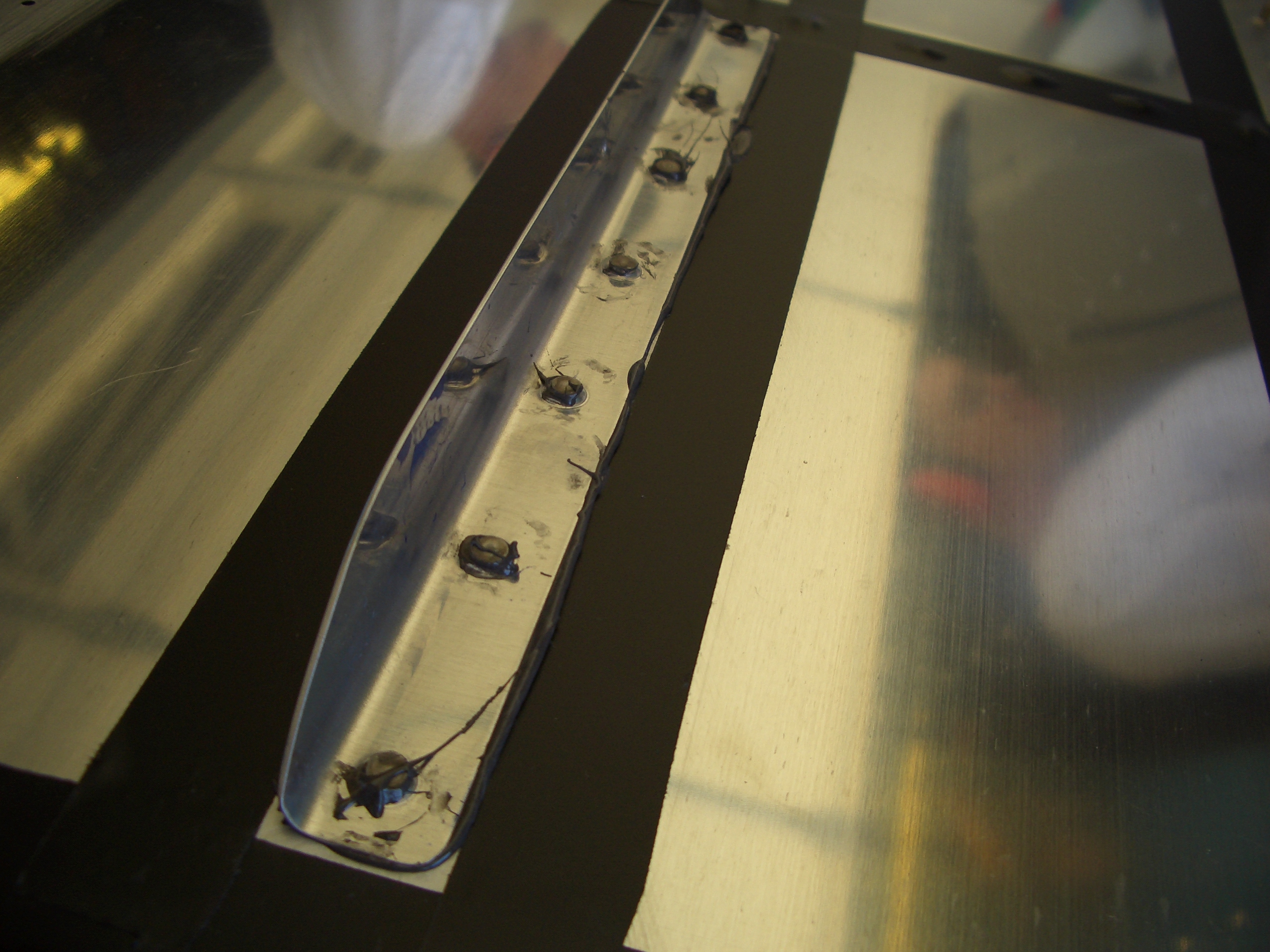
Then sealant is spread around the edge of the stiffener to create a filet and a dab of sealant is placed over each rivet.


The fuel filler neck is then riveted on.  We tried back-riveting these using a hand-held back-rivet bucking bar, but that didn’t work as well as expected and we had to drill out one of the rivets.  Either back-rivet these on the plate or shoot/buck them.


Here is the inside of the filler neck with the vent line retaining clip riveted in place.


We also riveted on the fuel drain mounts.  When you dab sealant over the rivets, be sure and leave some channels so that water can make its way to the drain.

Here is the outside of the fuel drain mount.  All of these rivets could be squeezed.


At the end of the day, we had both tank skins with stiffeners, drains, and filler necks in place.

Flop Tubes

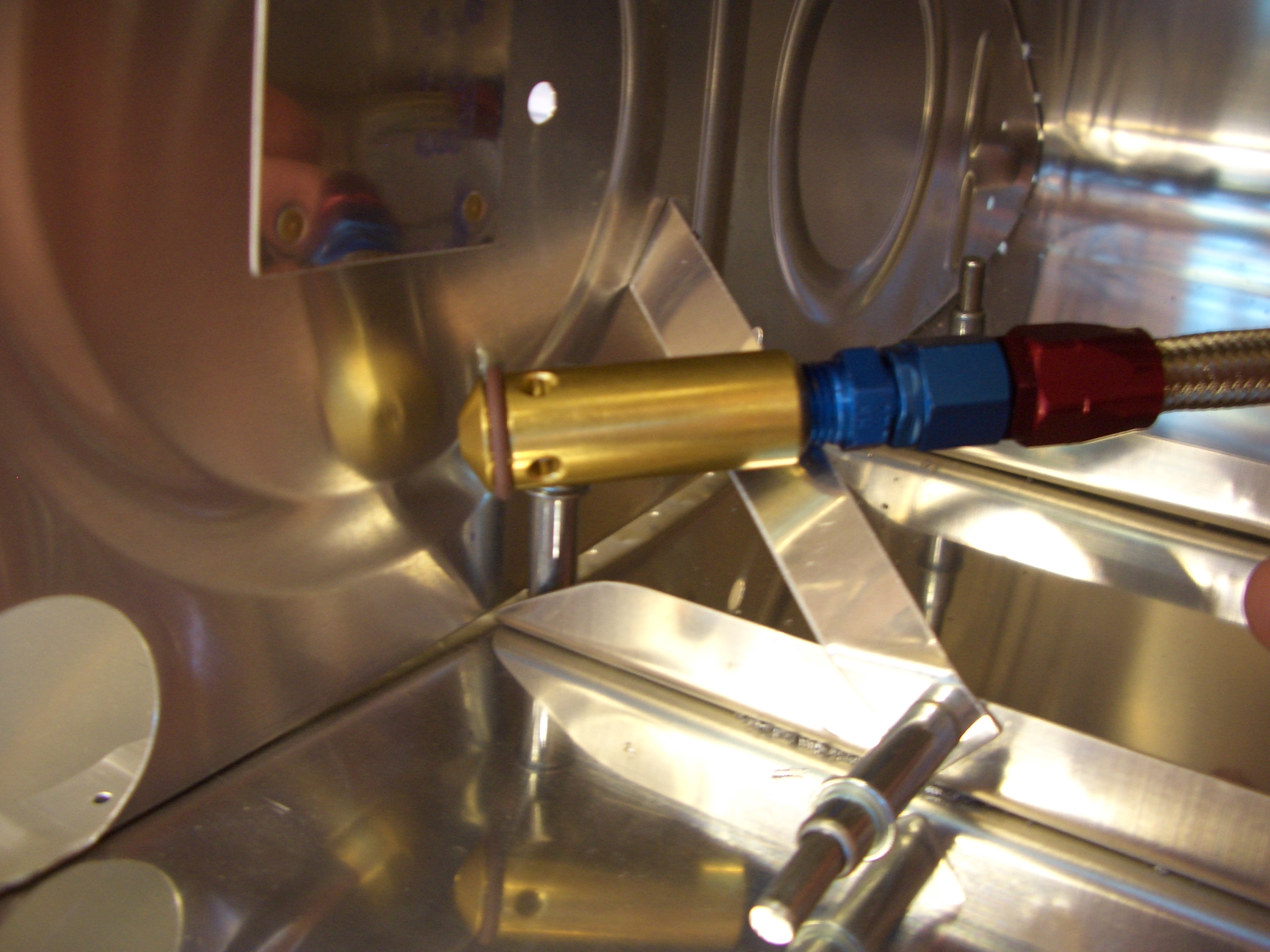
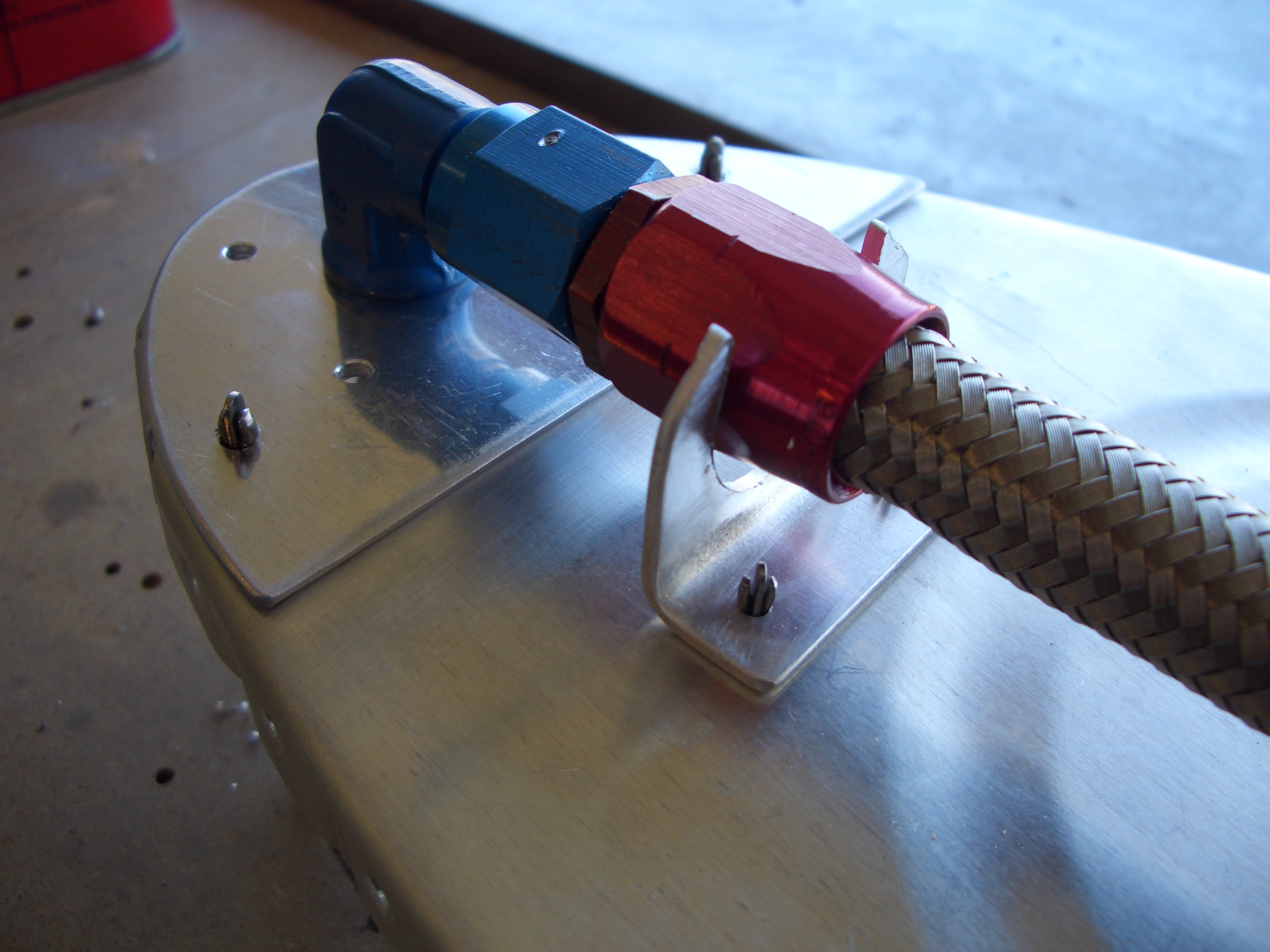
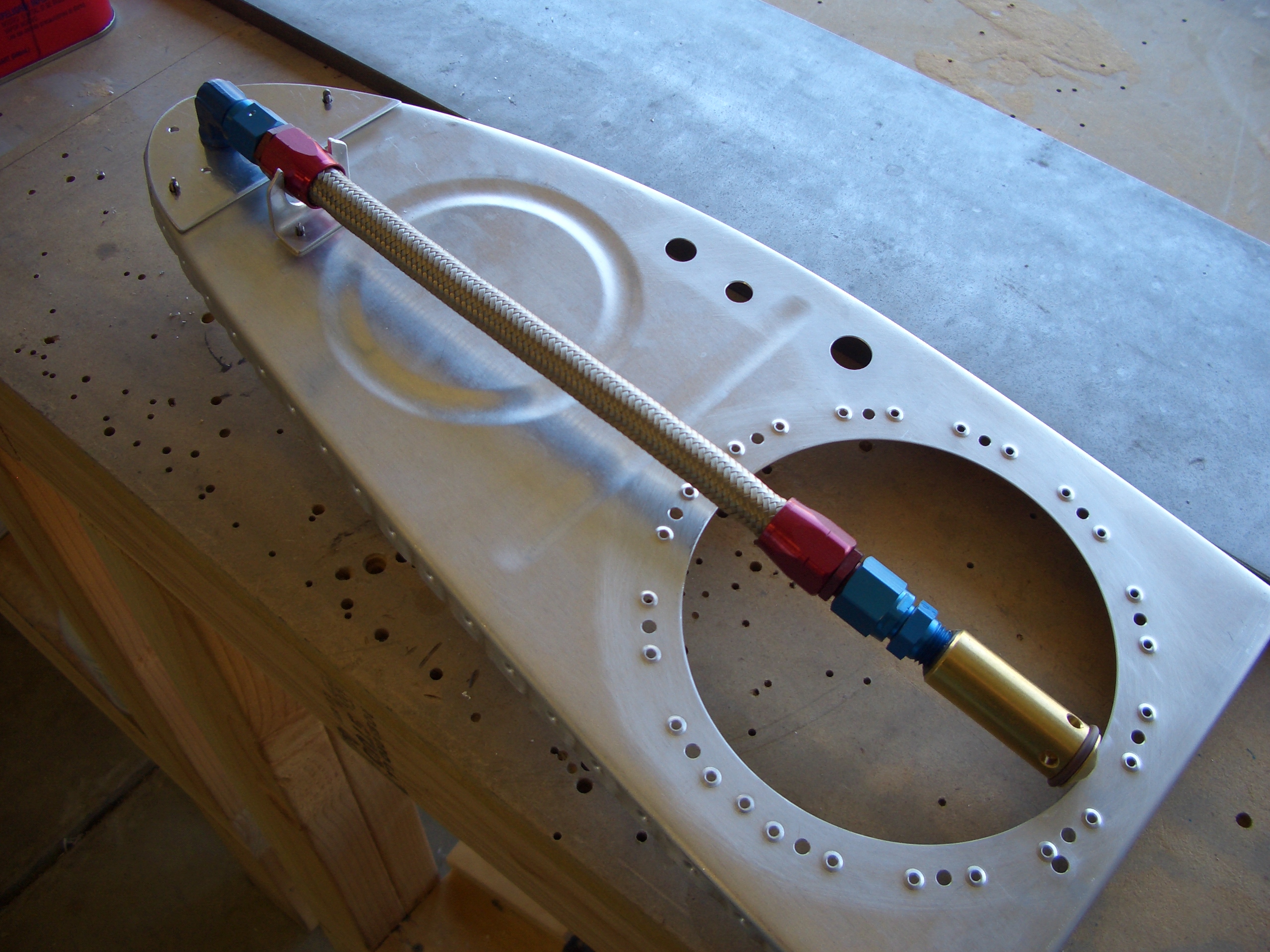
I modified the anti-rotation brackets to keep the flop tubes from rotating.


Here you can see that it holds the flop tubes roughly centered along the rib.  They can still flop freely to the top and bottom of the tank.


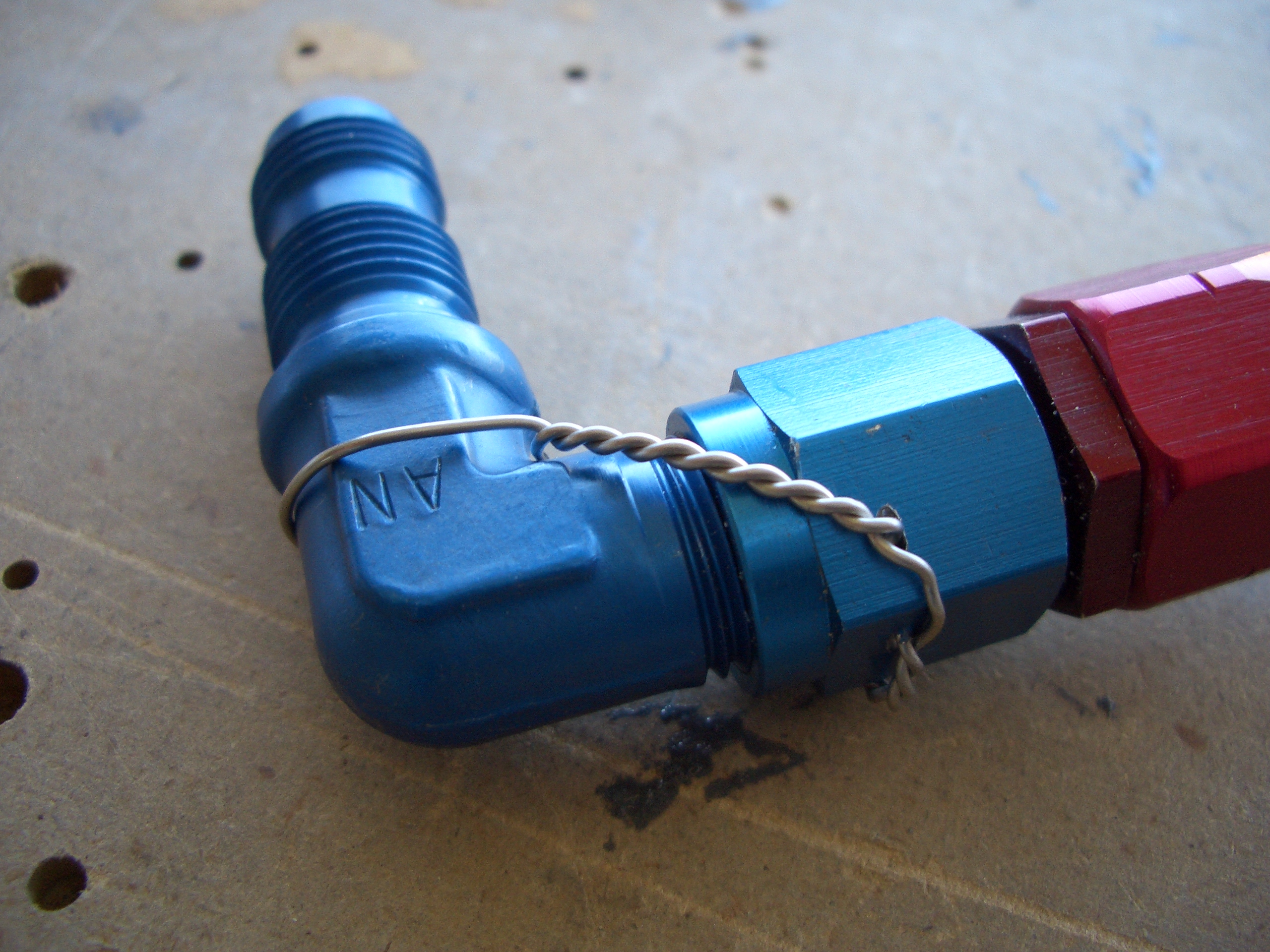
I also torqued and safety wired the flop tubes onto the fittings.