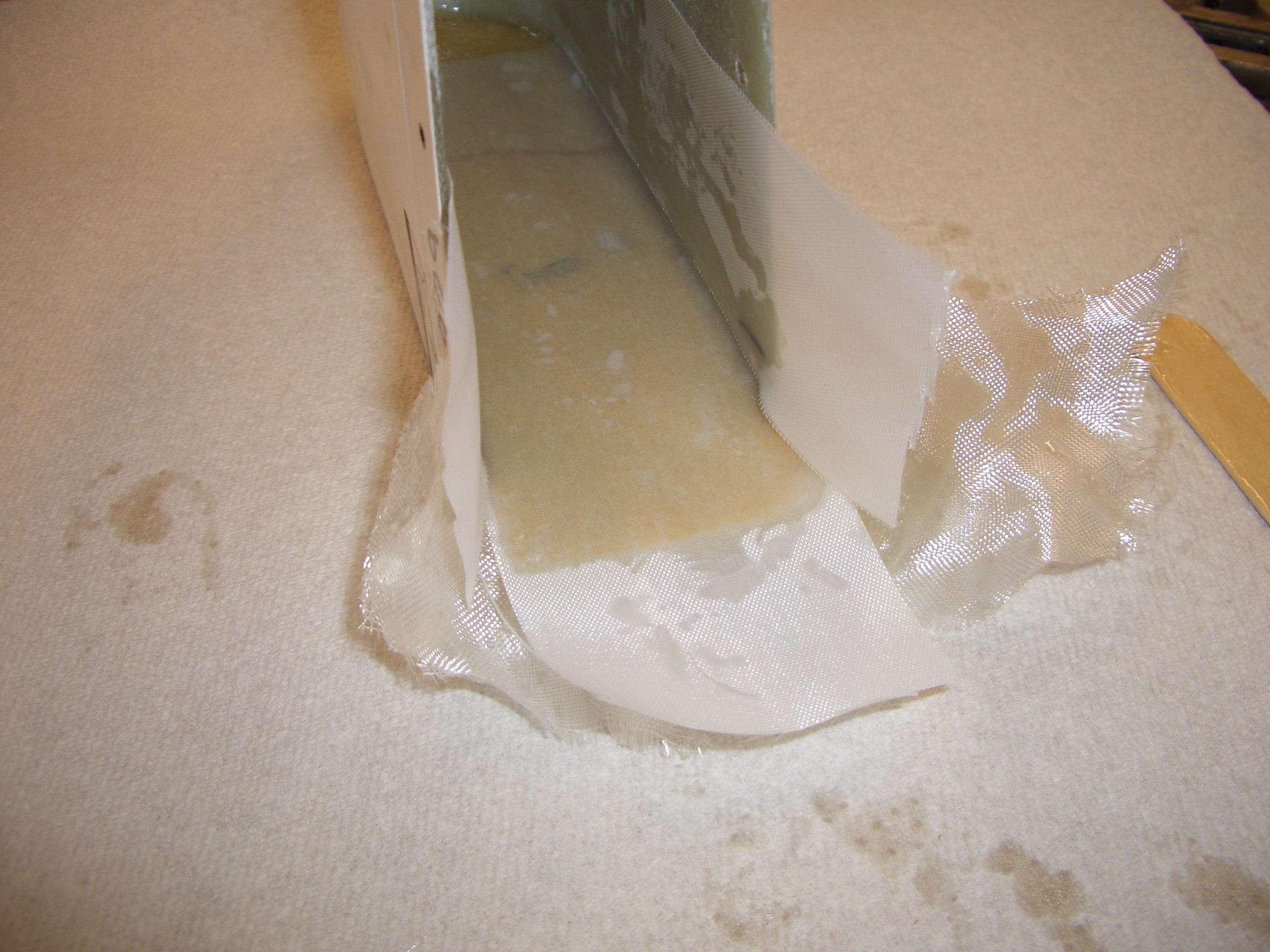
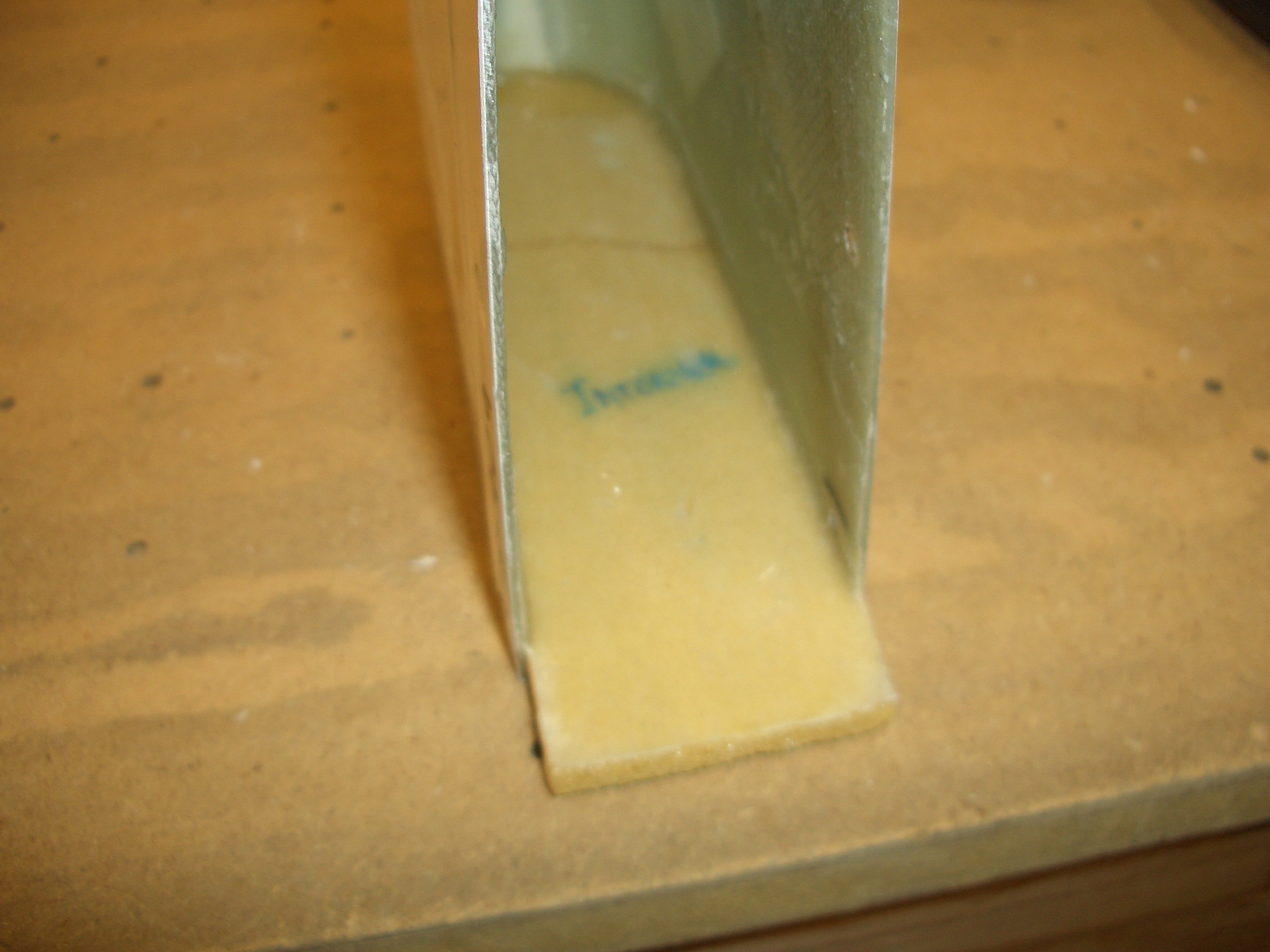
Fiberglassed Vertical Stabilizer Tip

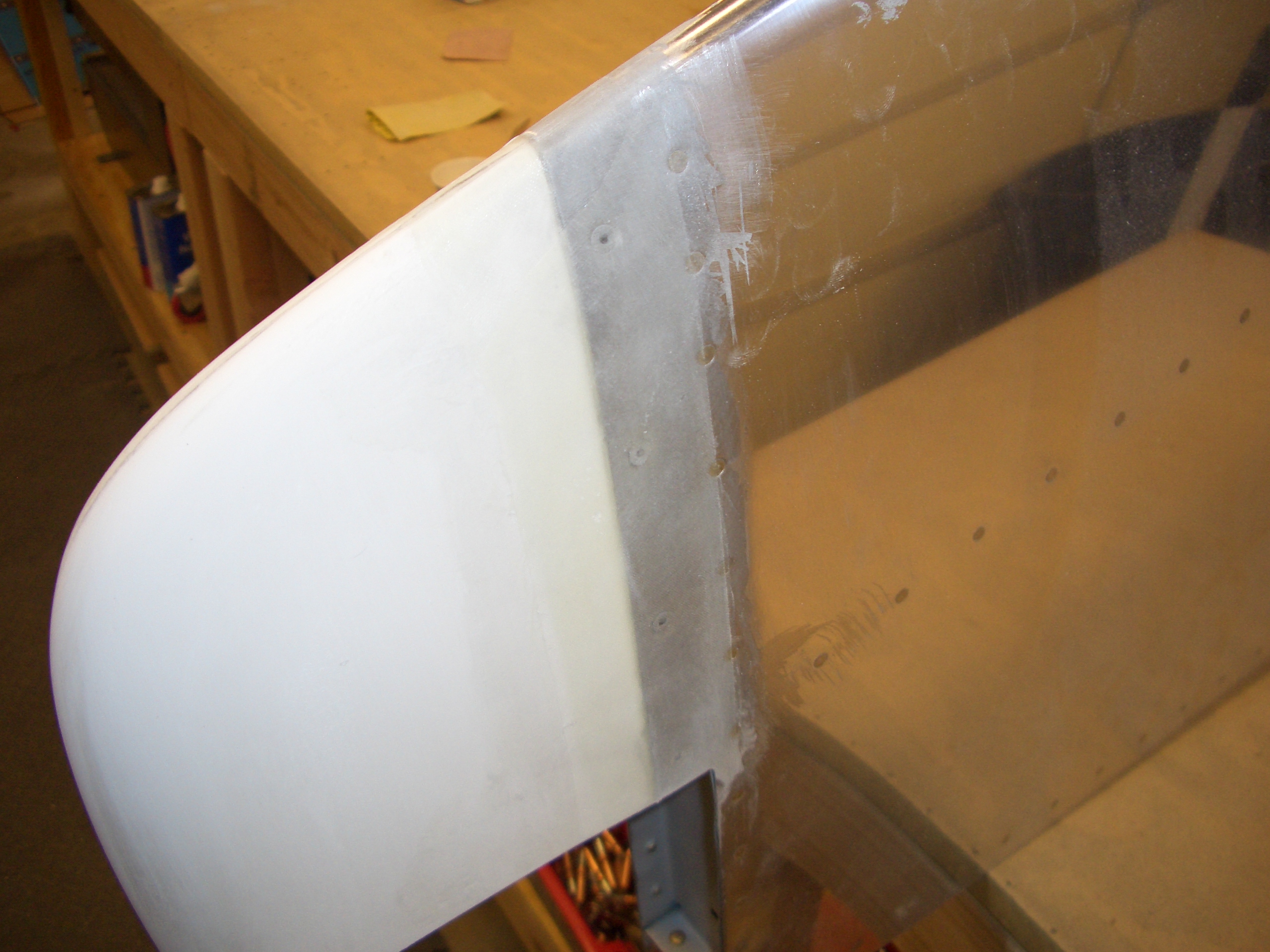
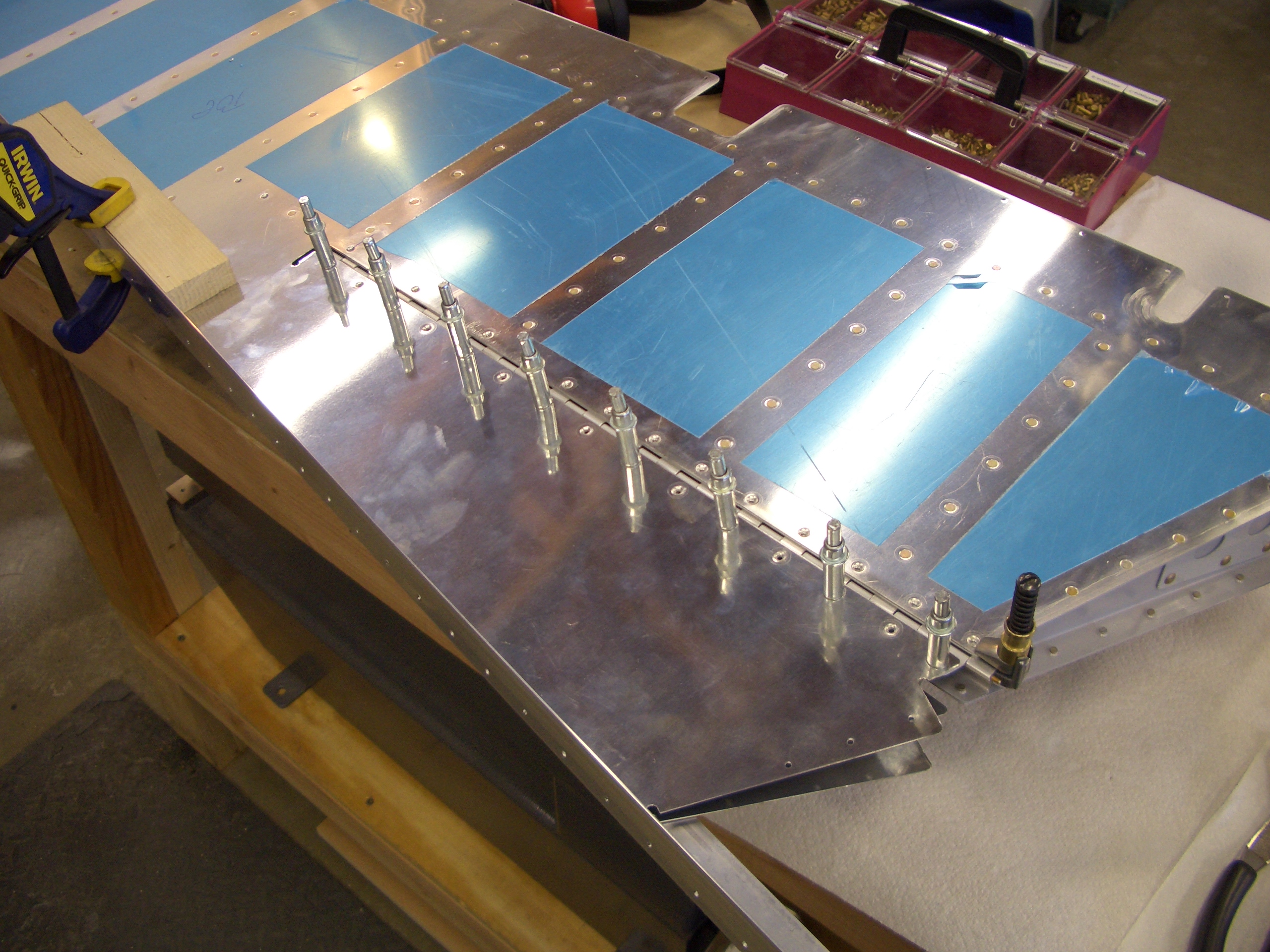
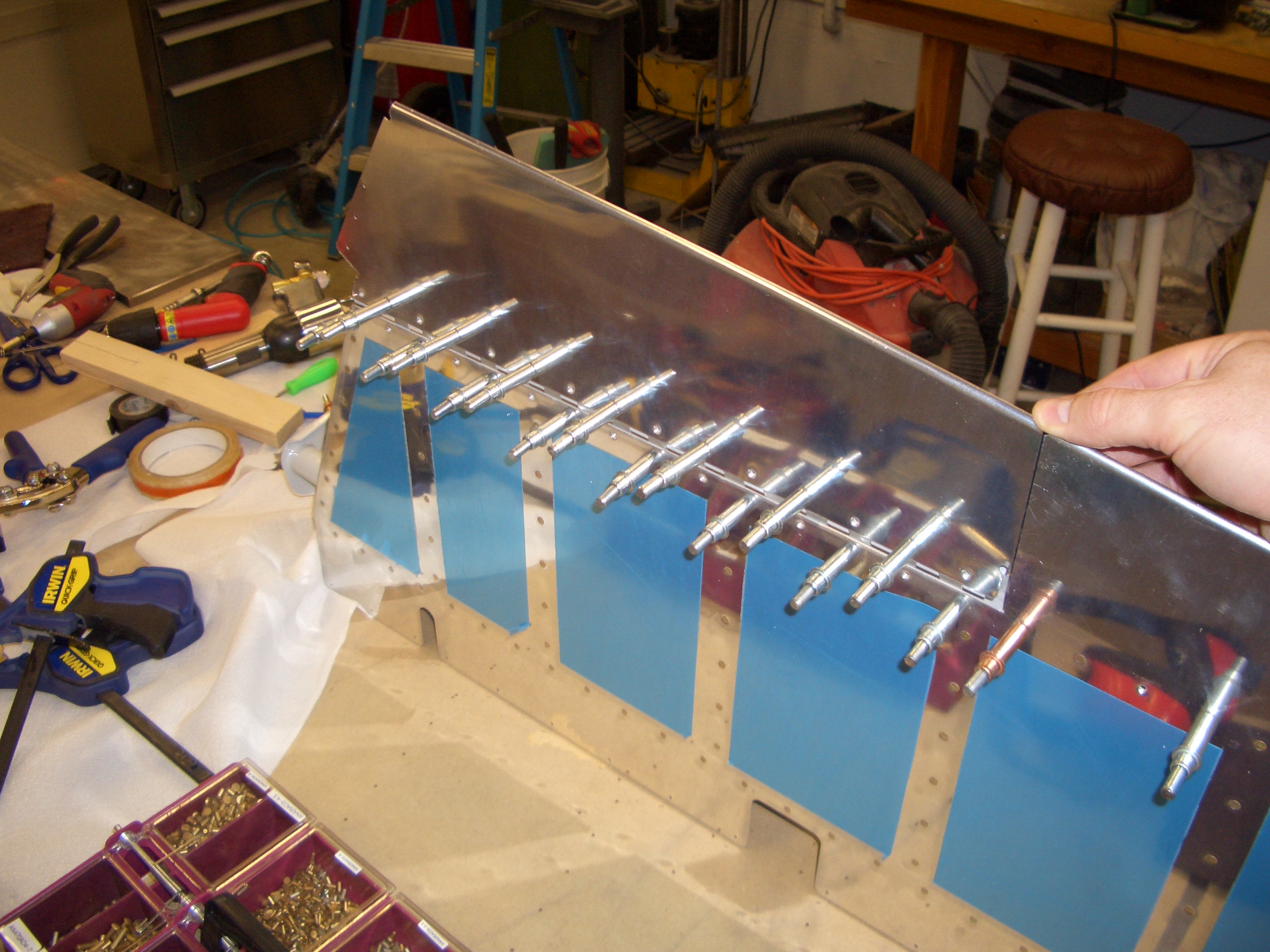
The epoxy took too long to cure last night (even with the 205, fast hardener) to make any more progress, so I came out this morning to put the glass in place.  I used two pieces on each size of lightweight 1.45 oz cloth (the flexible stuff you see hanging off the sides).  I covered it all with peel ply (dacron) which is the stiffer looking cloth you see in the middle.


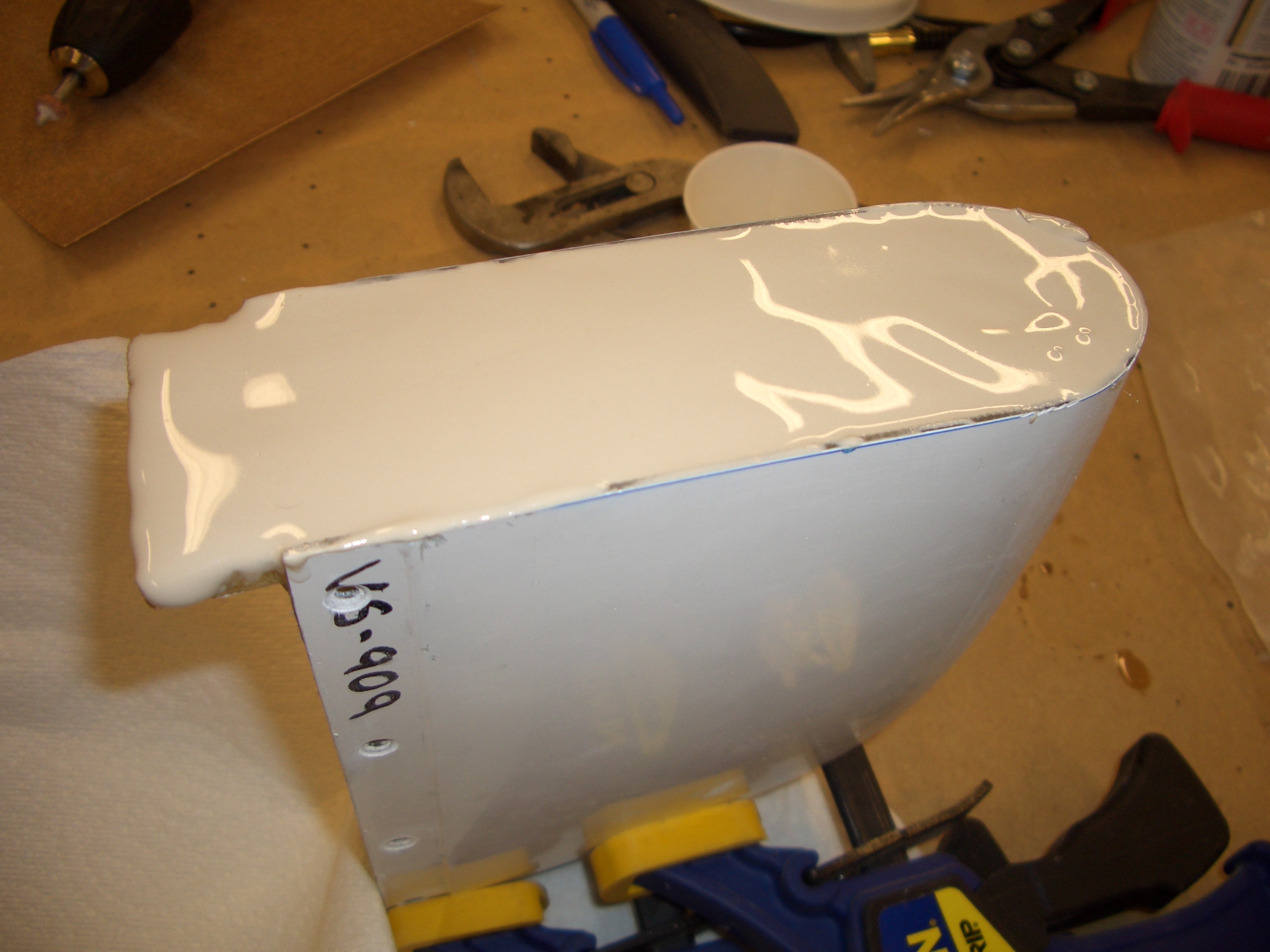
After work, I peeled off the peel-ply and trimmed the overhanging fiberglass.  Looks pretty good for a first effort.


I also mixed up some epoxy with some WS410 (microlight fairing filter) and filled the open end.  I’ll sand this back to prove a concave surface to allow the rudder to swing freely while still providing a tight joint.

Left Elevator and Trim Tab

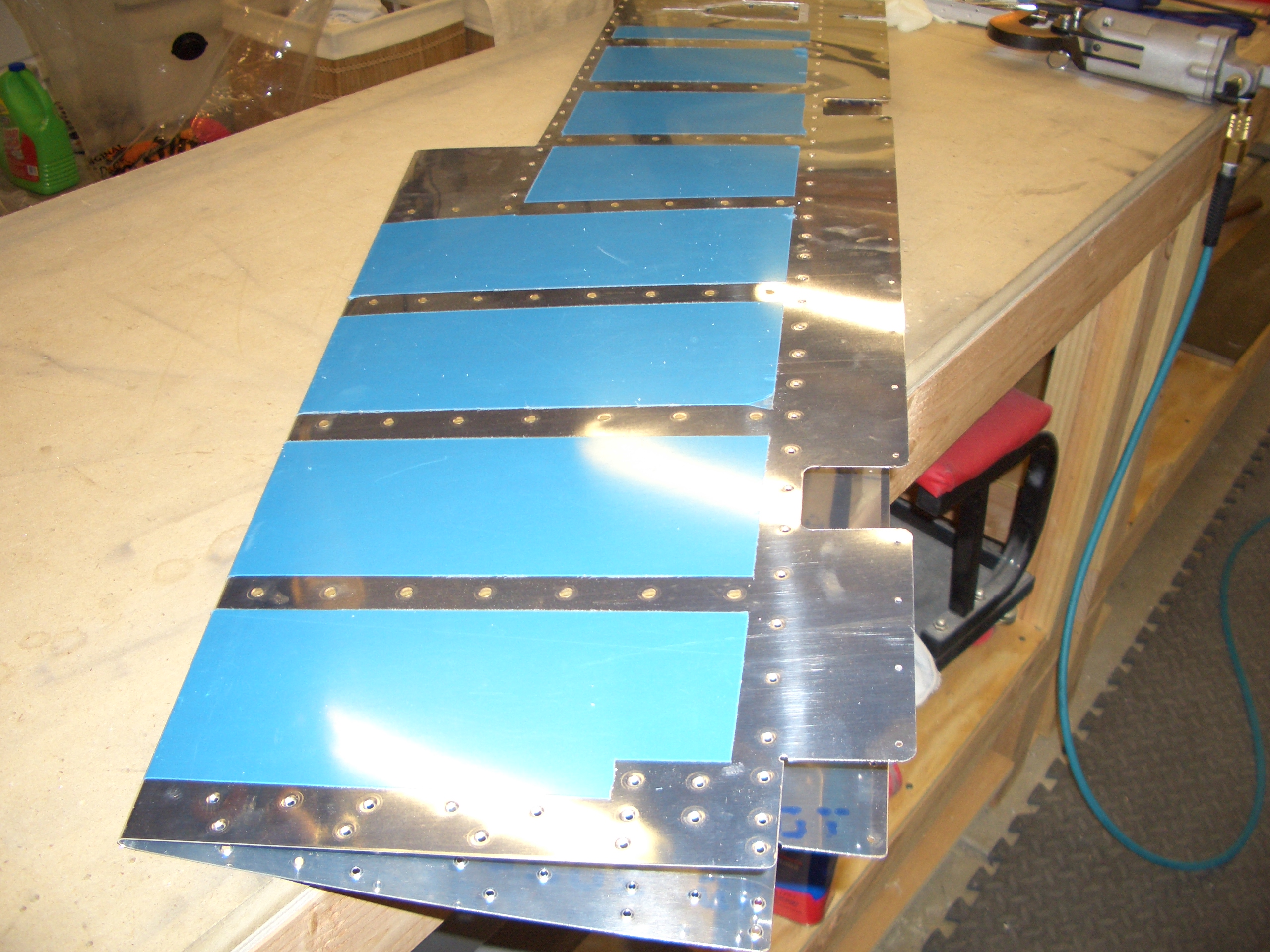
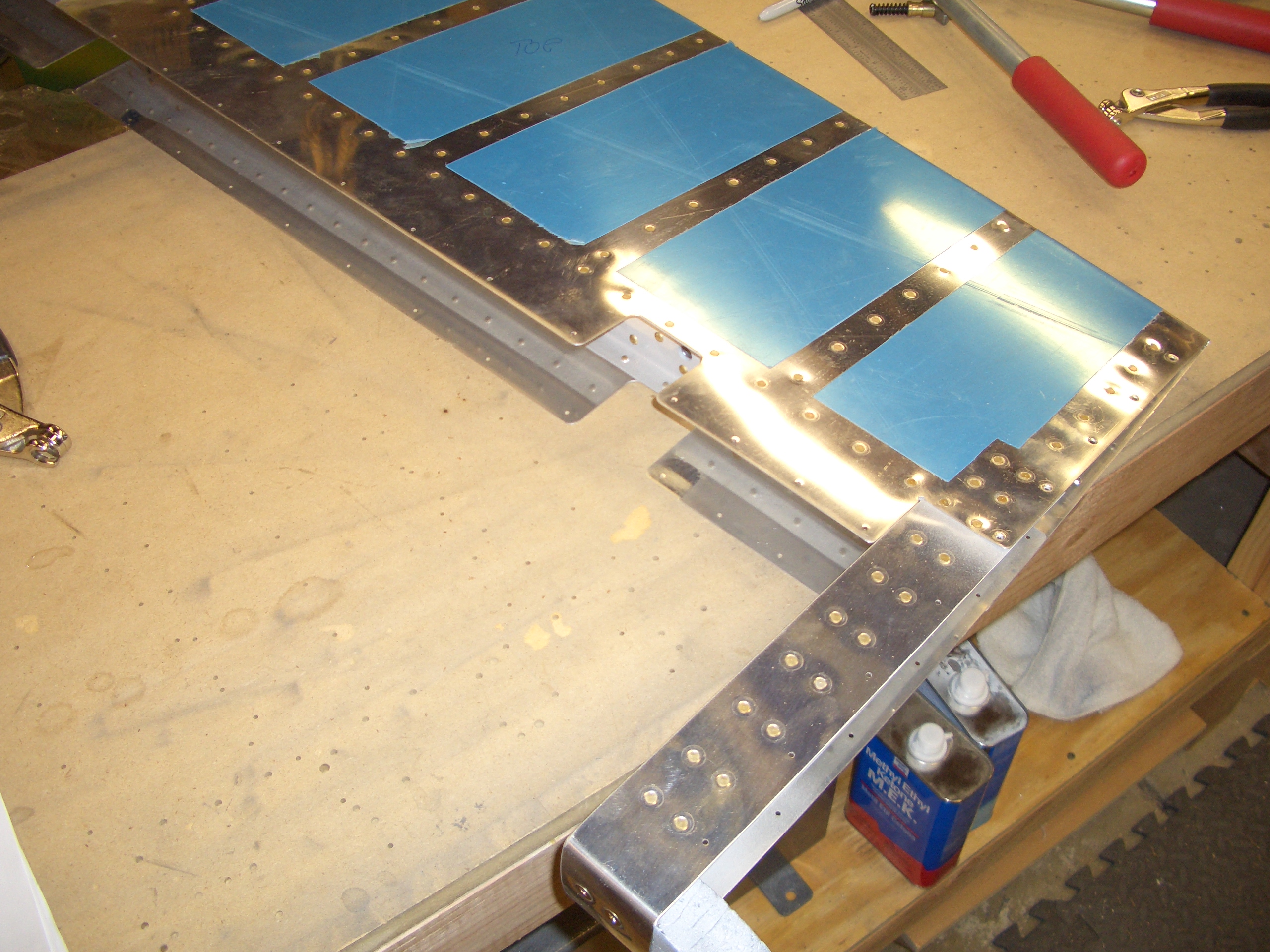
I dimpled the left elevator skin in preparation for riveting.


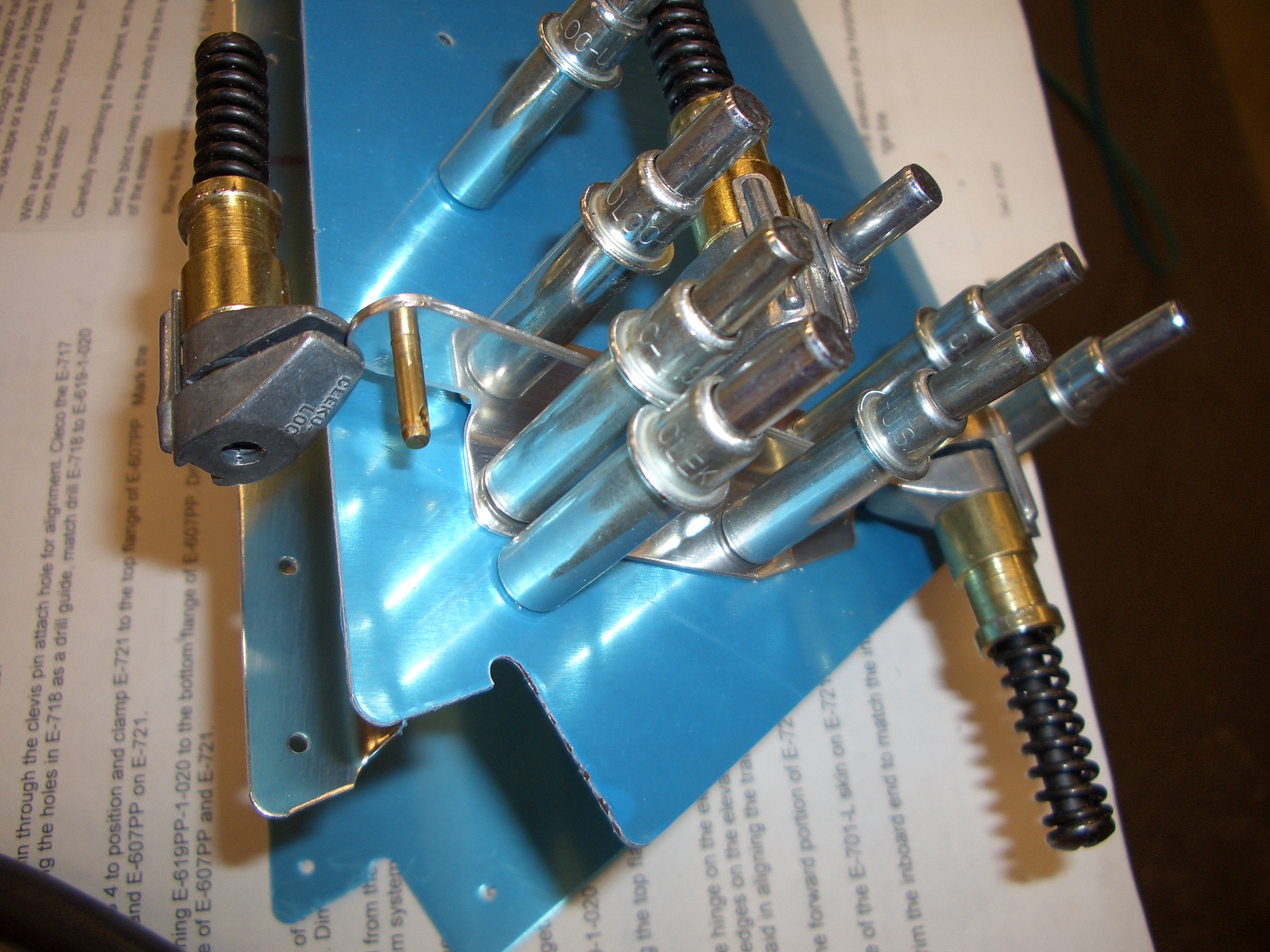
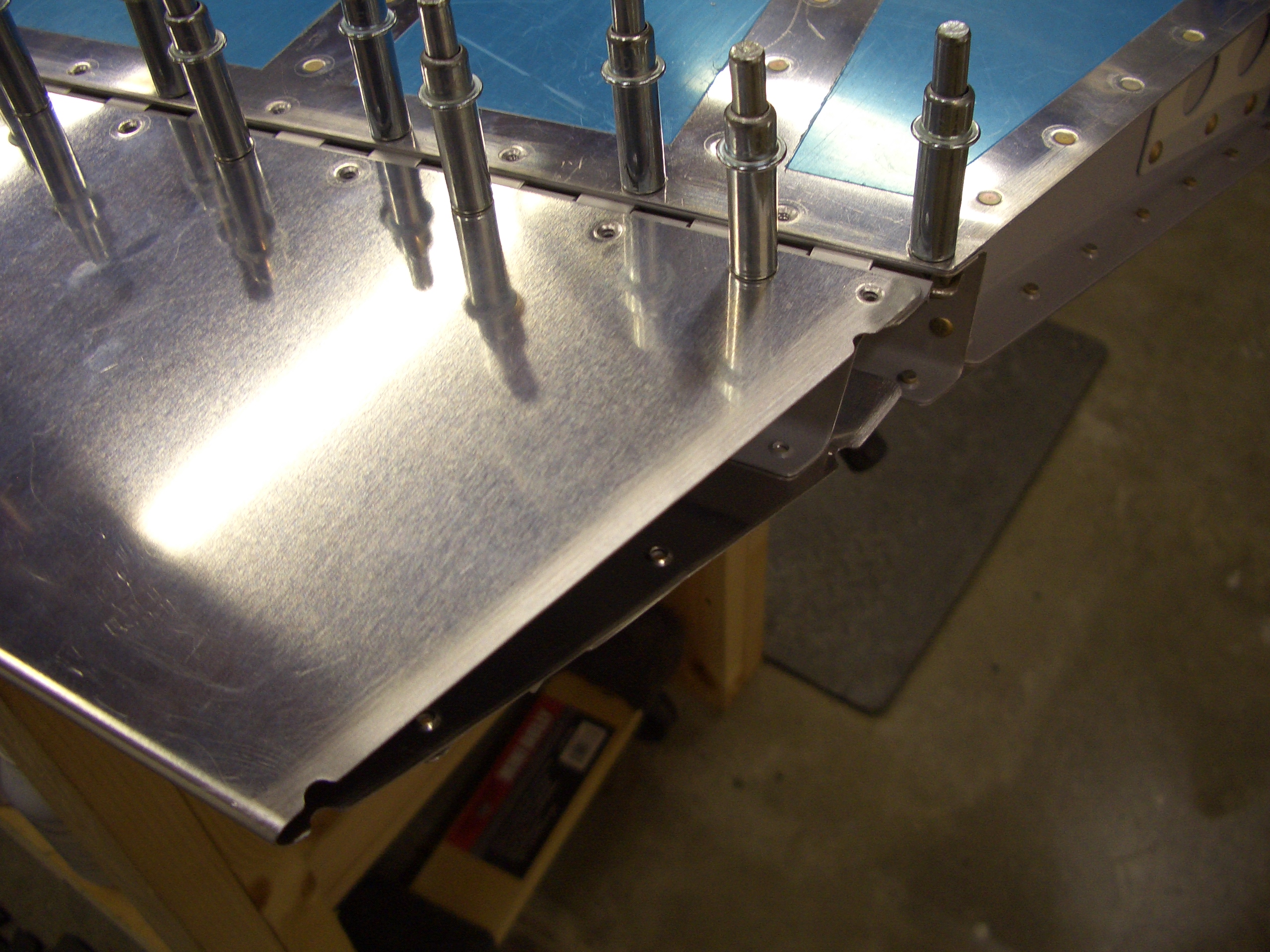
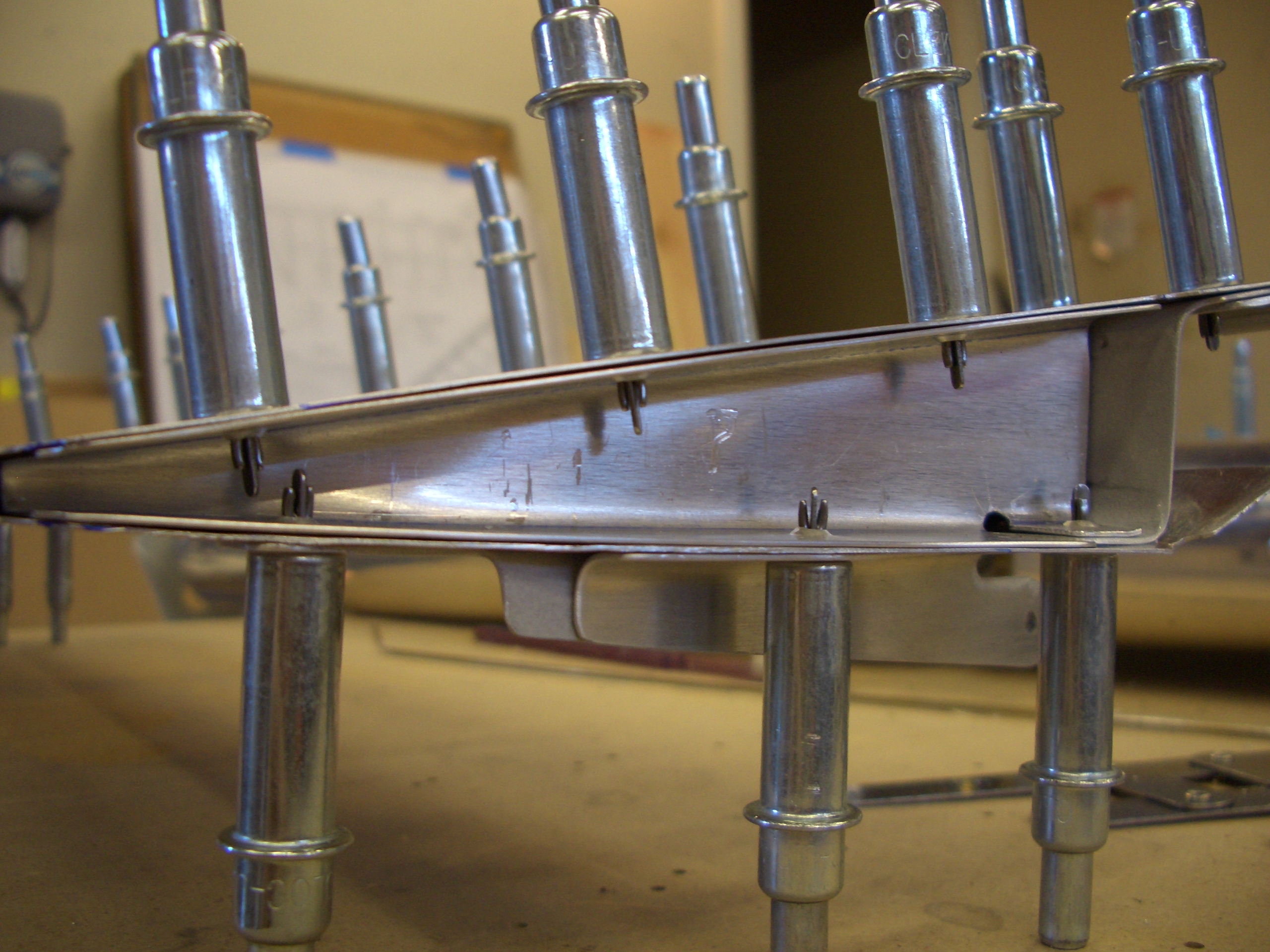
I did a little more work on the trim tab tonight too.  It’s hard to see here because of all the clecos and cleco clamps, but the trim tab horns have been match drilled to the trim tab skin.

Vertical Stabilizer Tip Fairing

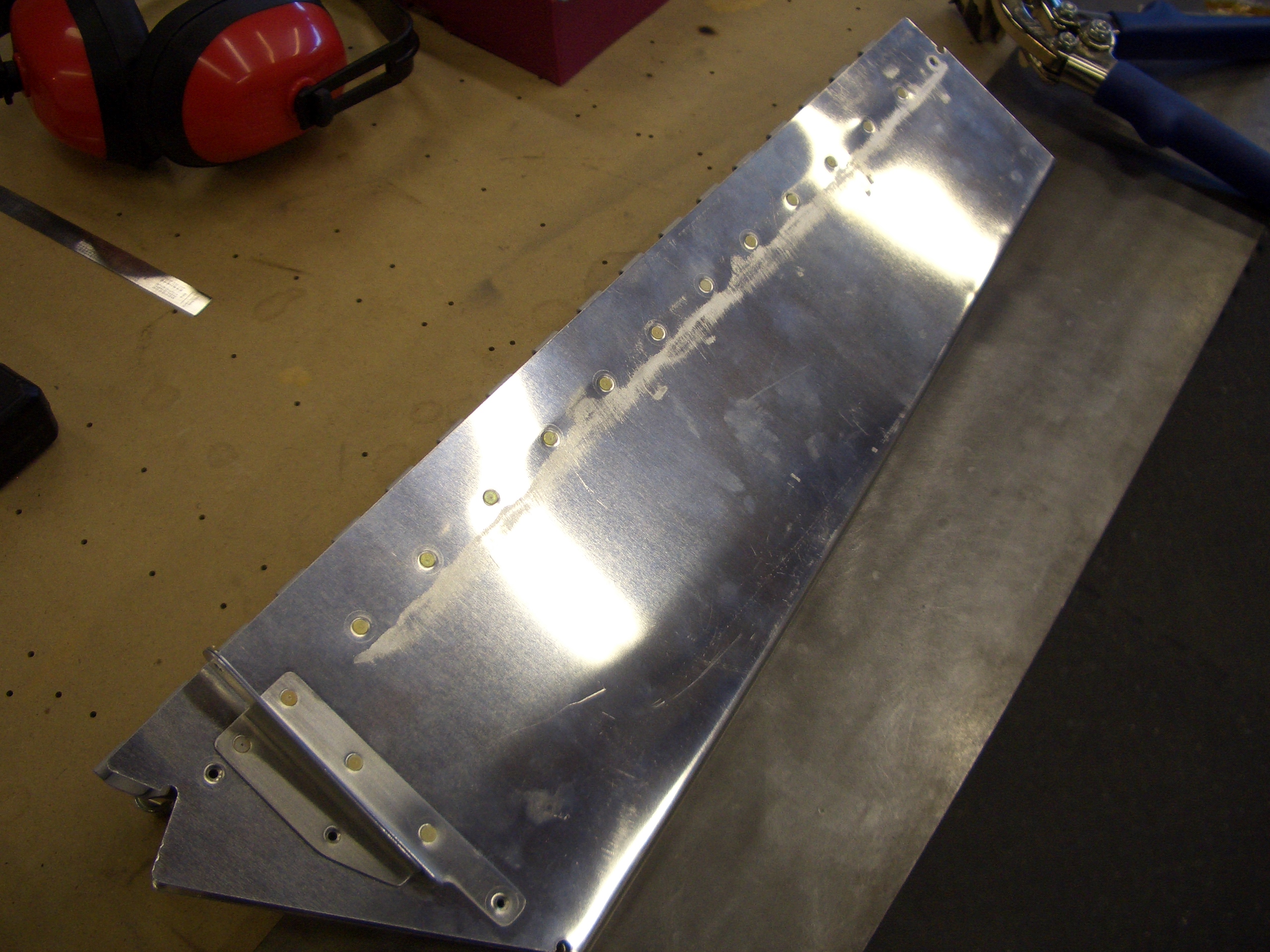
I attached the fairing last night with some pop rivets (sorry, no pictures), and put a layer of the 1.45oz/yd fabric over the joint.  This morning, I removed the peel-ply and did a little sanding.  The joint looks pretty smooth now, but with a little lightweight filler, this will be sweet!

Left Elevator Riveted

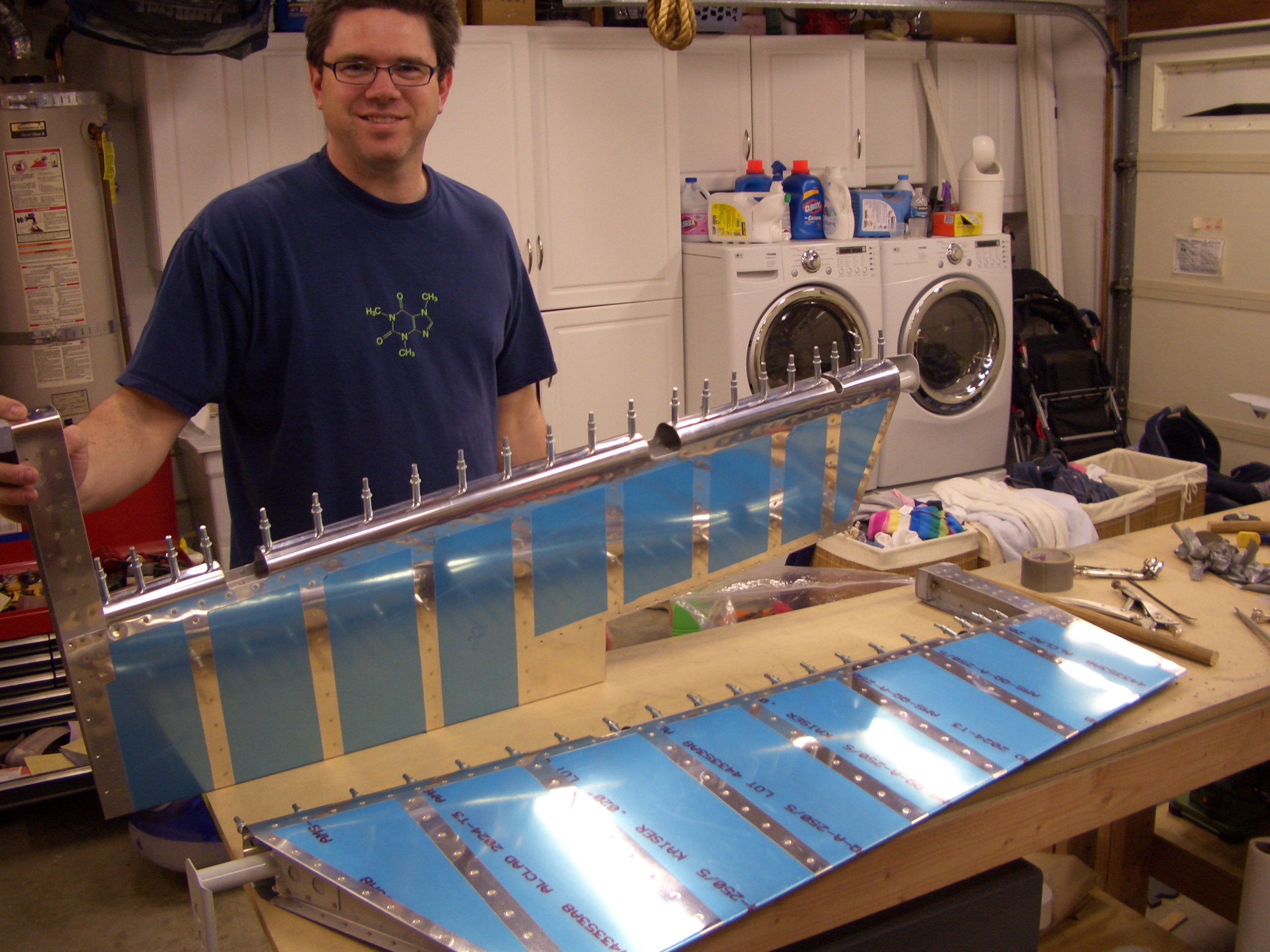
I riveted the left elevator skin to the structure and bolted on the counterweight.


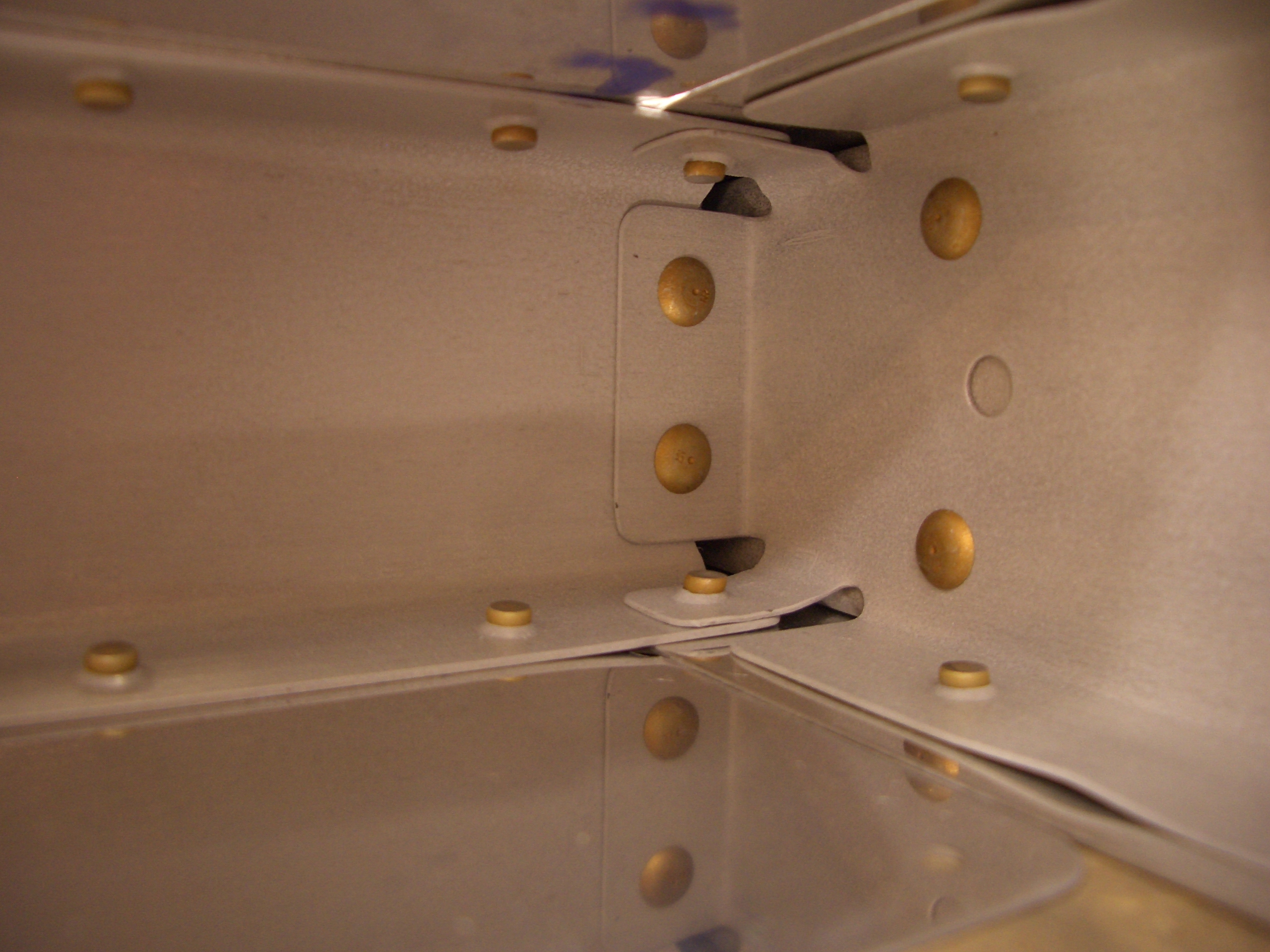
Here’s a shot of the complex intersections of the spar, counterweight rib, elevator skin and counterweight skin.  These rivets turned out even nicer than on the right elevator.


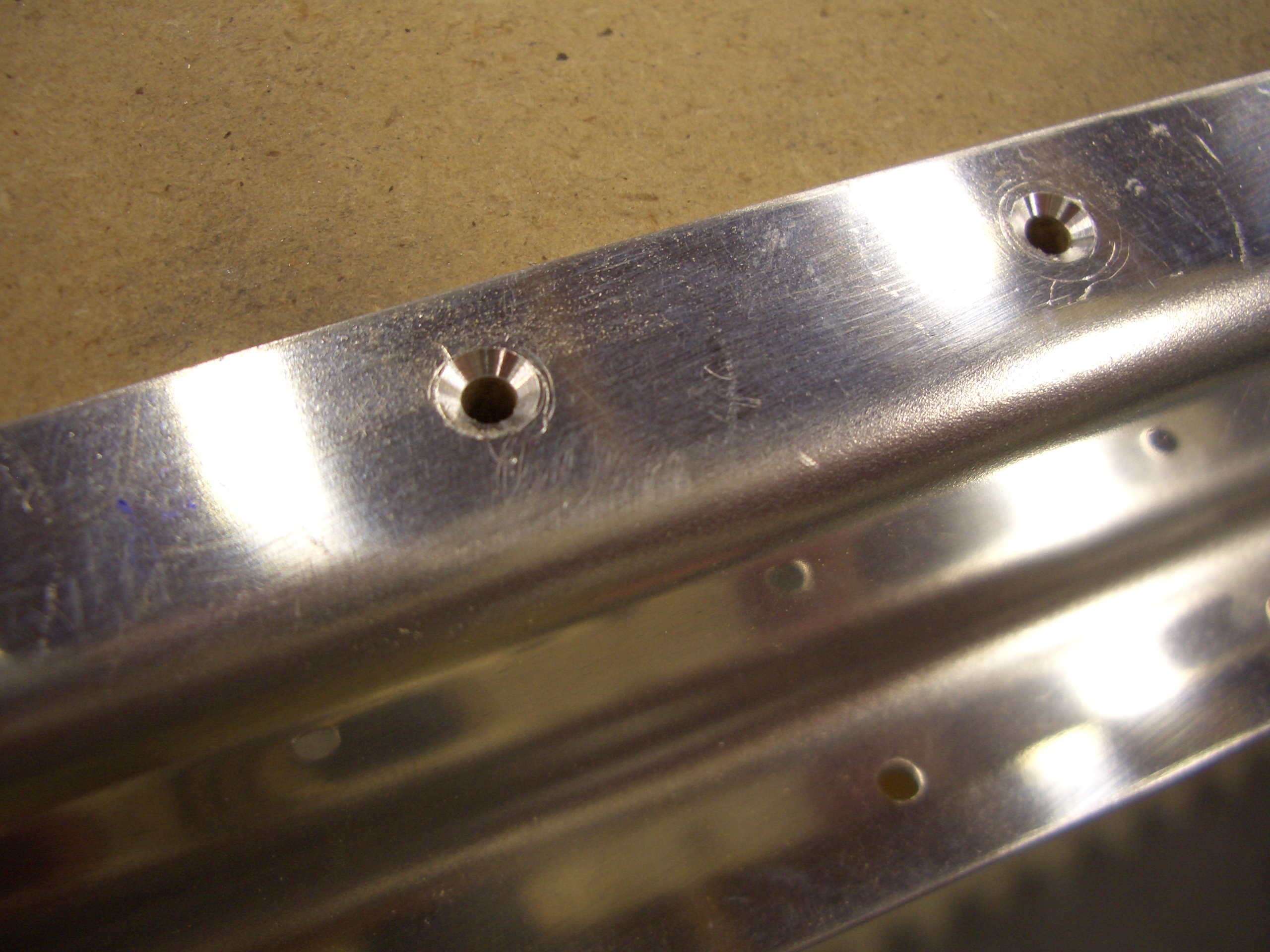
I did a little more prep on the trim tab as well.  Here are the holes in the trim tab spar, countersunk to accept the skin dimples.  These are countersunk because the trim tab hinge will mount flush to the underside of this flange.

Elevator Trim Tab

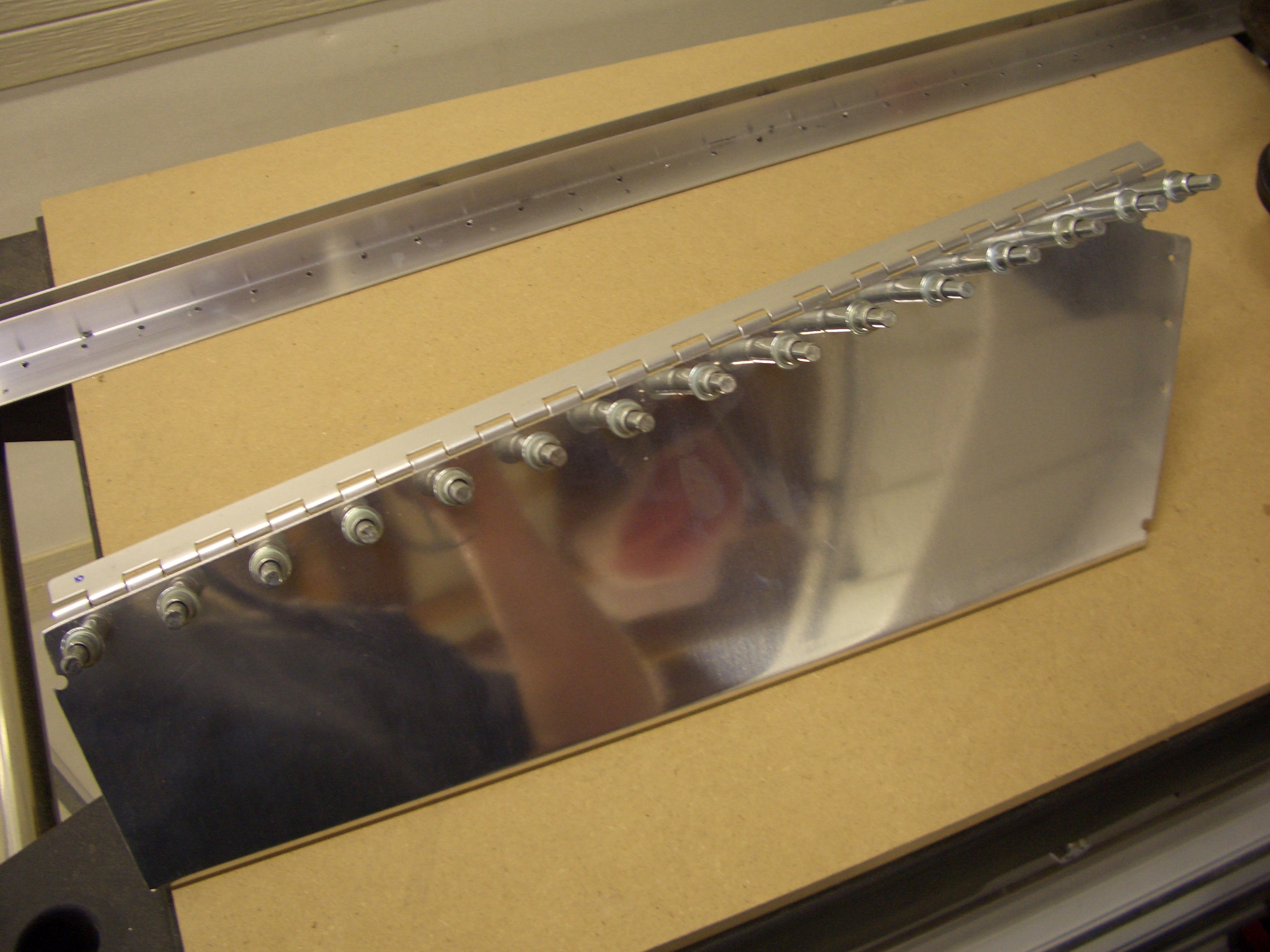
I worked all day today, but managed to make a little bit of progress on the elevator trim tab.  I positioned and drilled the hinge to the trim tab.


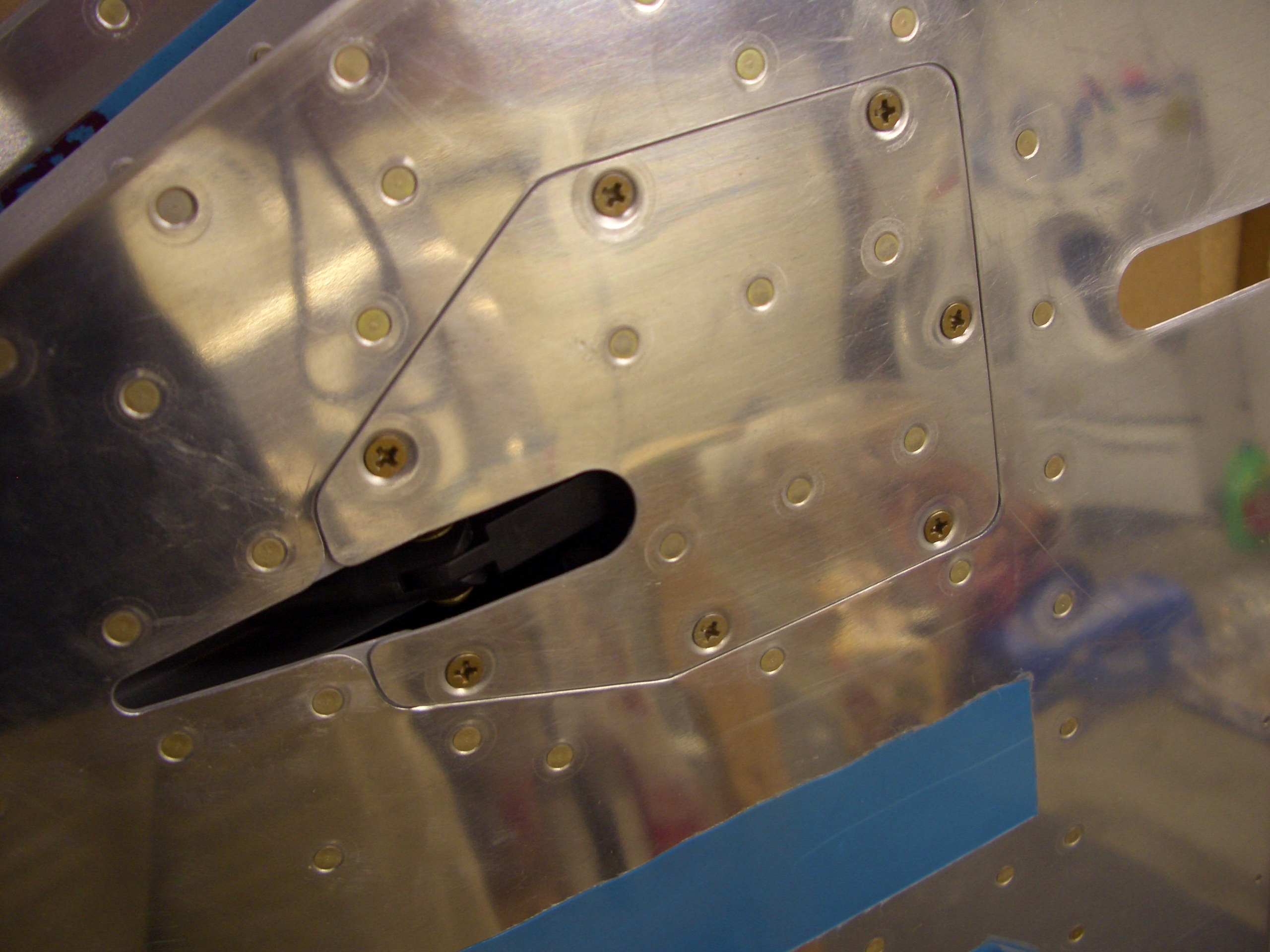
I attached the trim tab servo to get it out of the way.


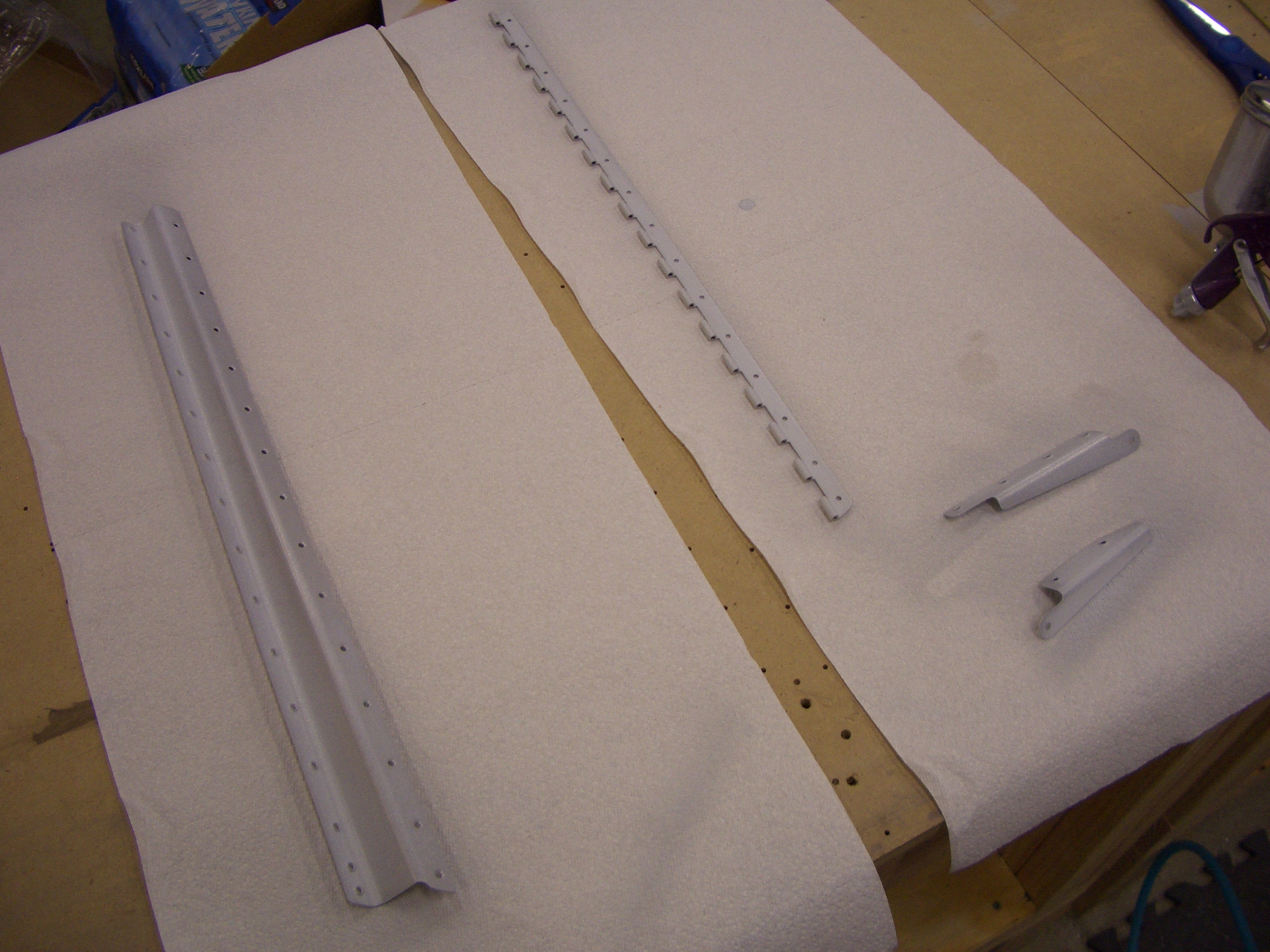
I prepped and primed the parts for the trim tab.  I can’t start riveting these tonight since the spar is back-riveted onto the skin and that will make too much noise.

Elevator Trim Tab

I back-riveted the row of rivets attaching the trim tab spar to the bottom of the trim tab.  I also back riveted the trim tab horn on.  I left out the rivets along the edge on each end so that the rib I’ll be fabricating can rivet through that as well.


I used a long piece of aluminum angle to ensure the trailing edge of the trim tab aligns with the trailing edge of the elevator (and ensured the inboard edges are aligned).

Elevator Trim Tab

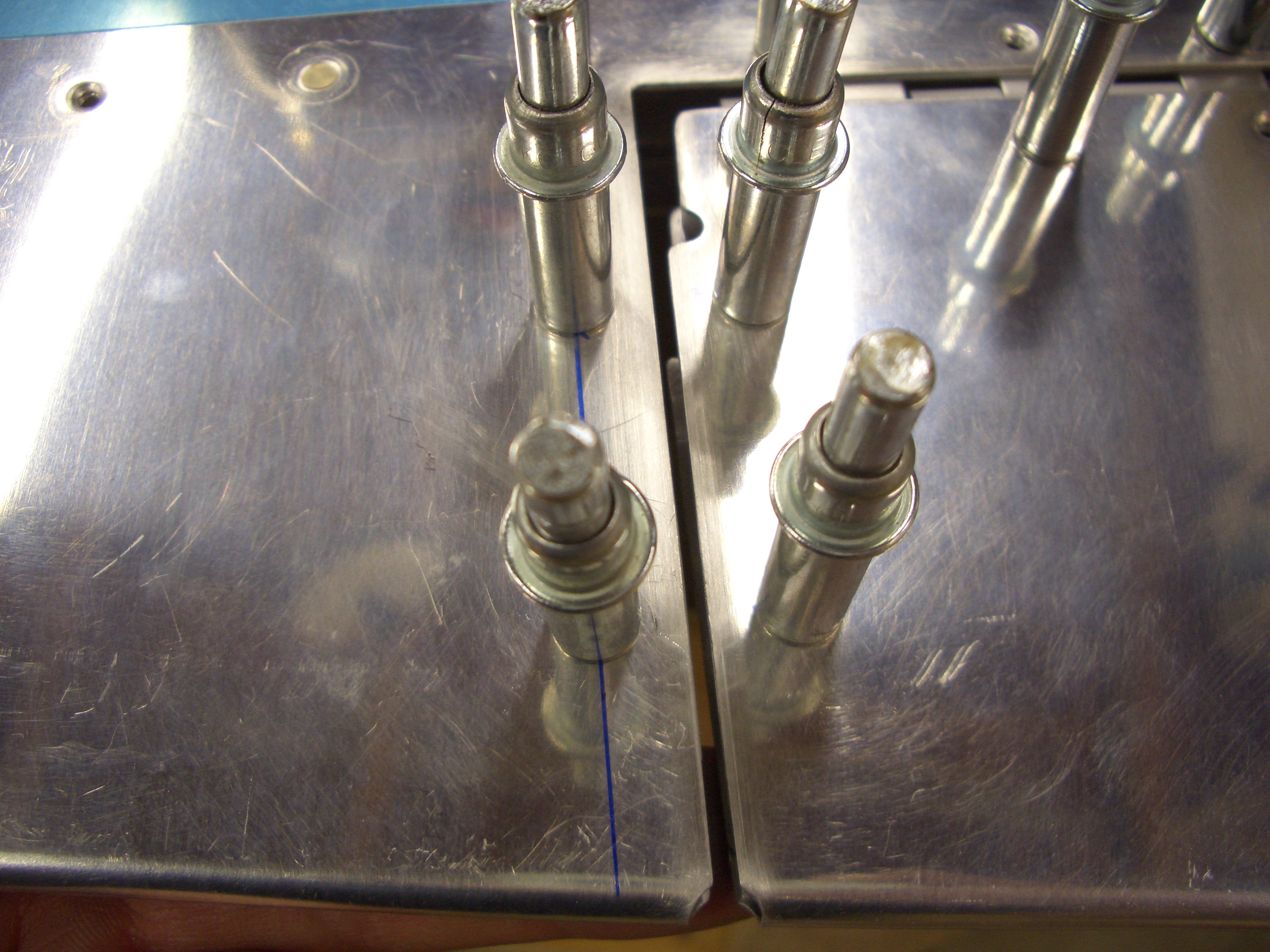
I drilled the forward part of the hinge to the elevator.  The clearance between the elevator and trim tab (below my thumb) is intentionally too tight right now.  I’ll file this back to the recommended minimum clearance of 3/32″.


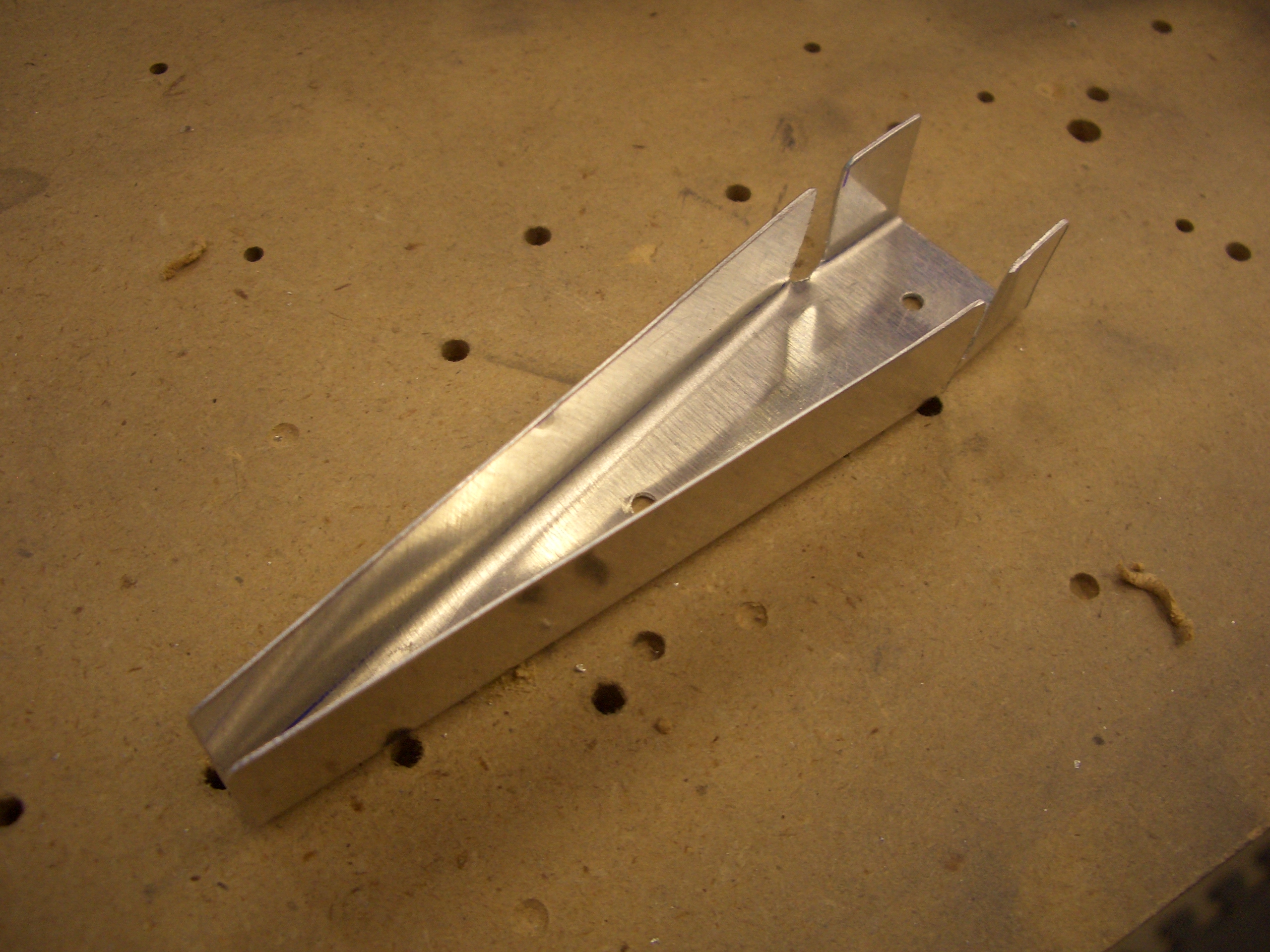
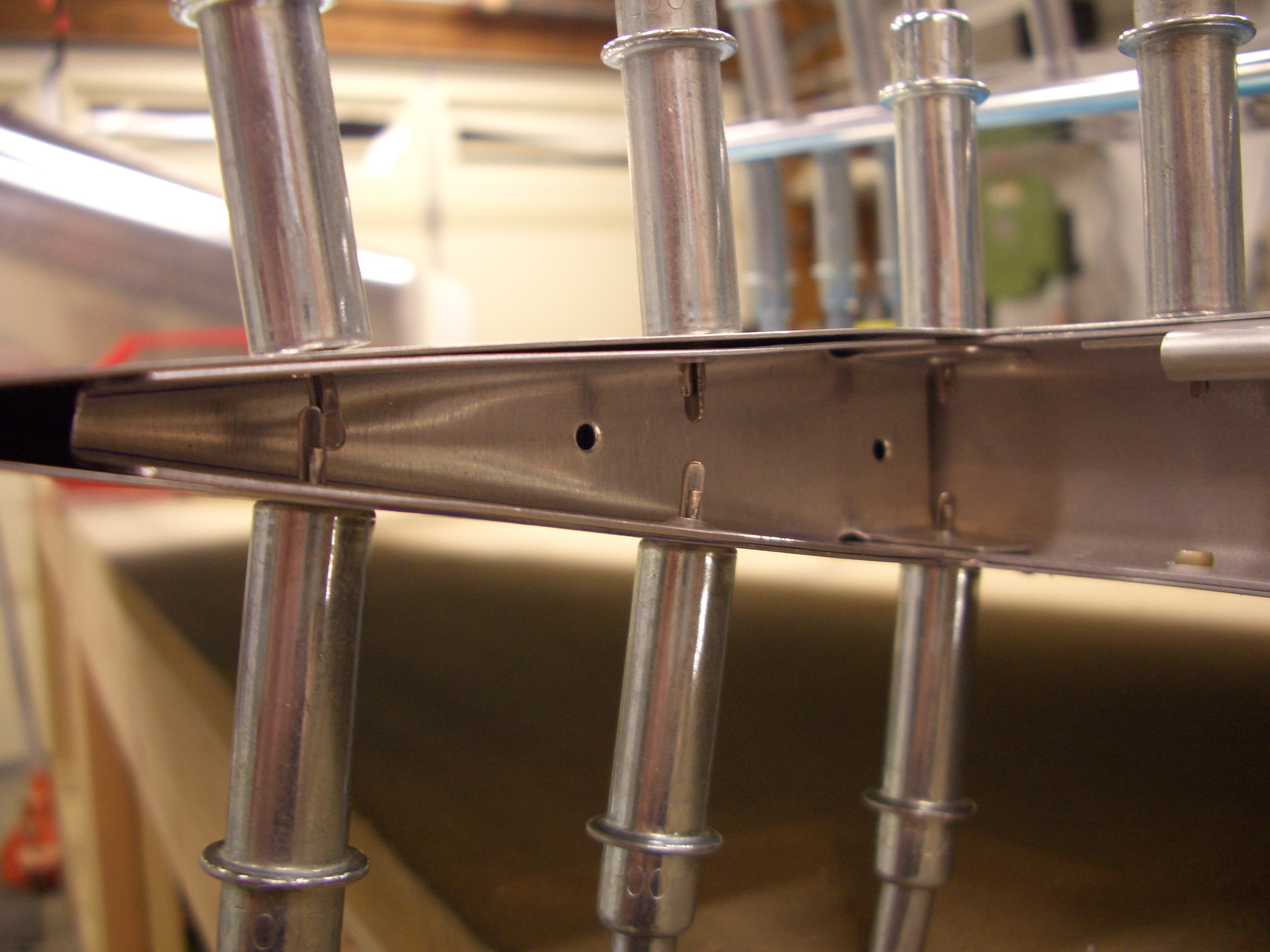
Since I’m deviating from the plans and cut off the ears on the elevator and trim tab that are normally folded over to close off the end, I started trying to fabricate the ribs that will be used instead.  Here’s the rib that will fit into the end of the elevator.


And here it is installed.  Luckily, the first one I made fit really well.  I tried making one for the end of the trim tab, but that will need to be remade.  Fortunately by doing it this way, if you screw up, you’re only wasting a few cents on aluminum instead of a large part that requires an order from Van’s to replace.

Rolled Elevator Leading Edges

My buddy Andre stopped by tonight to help me roll the leading edges of the elevators.  They turned out better than the rudder, but this is still a pretty non-precision part of the construction.  My hands are killing me after this, so I’m done for the night.

Elevator Leading Edges and Trim Tab

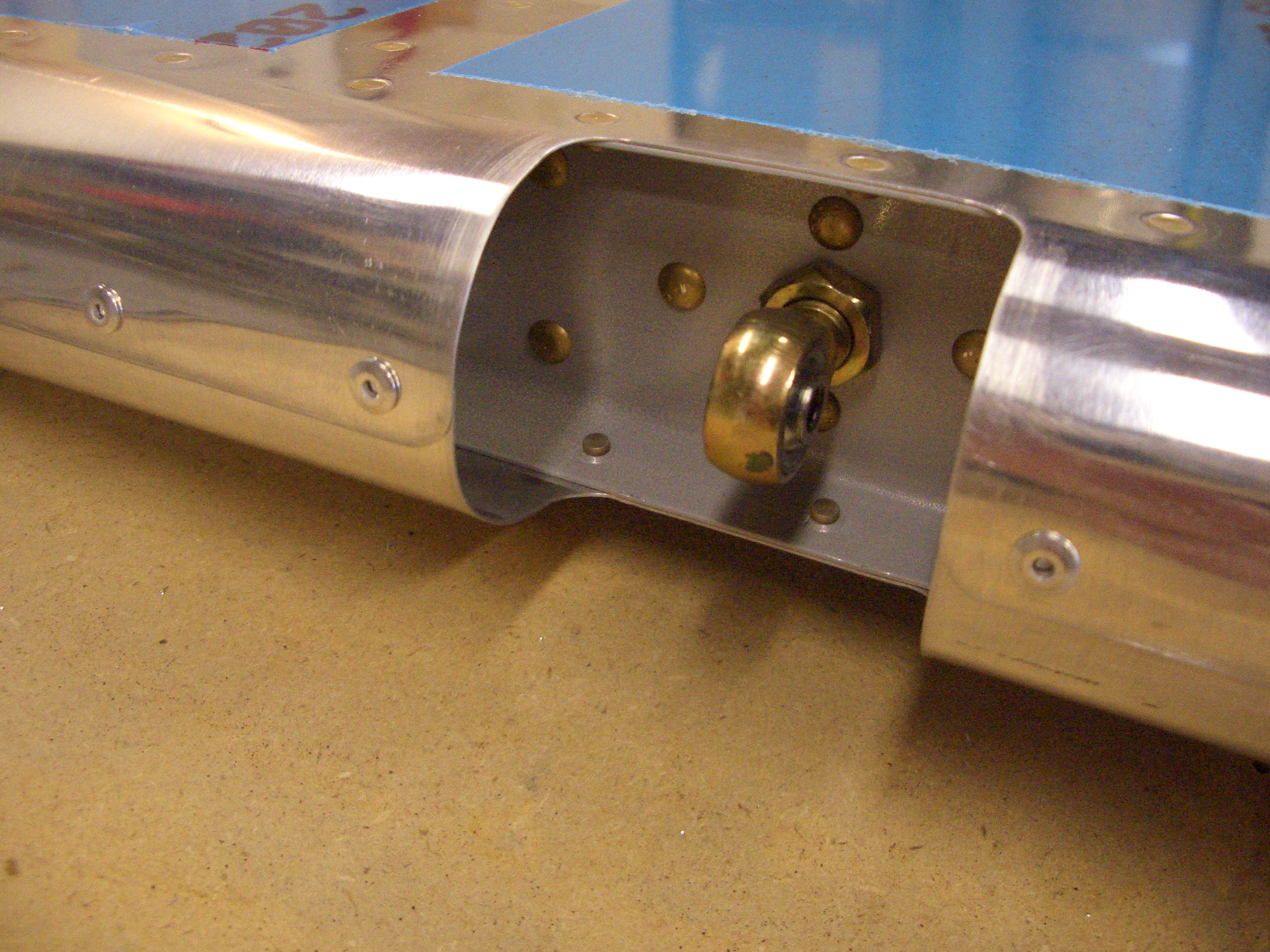
I did a little fine tuning of the leading edges and installed the pop rivets.  I also installed the bearings into both elevators.  Here’s one of them (I don’t know which), but they all look about the same.  Basically, you screw these in until the center of the bearing is 13/16″ away from the spar face.  It’s not hard to be precise since one too many or one too few half turns is obviously off of 13/16″
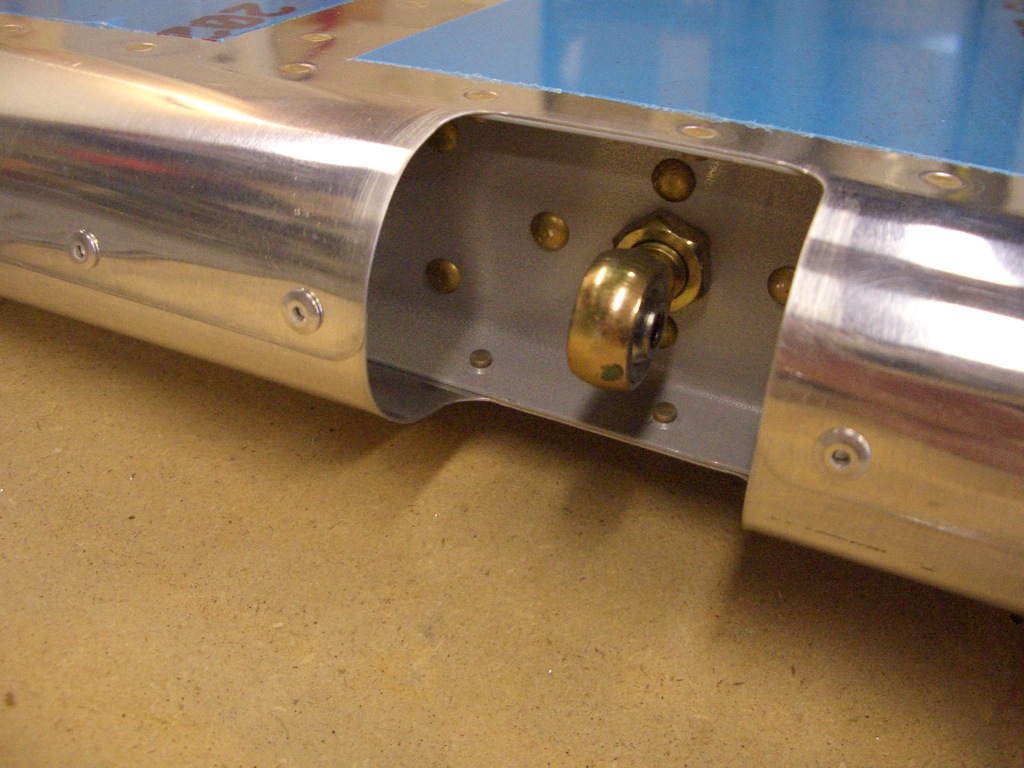

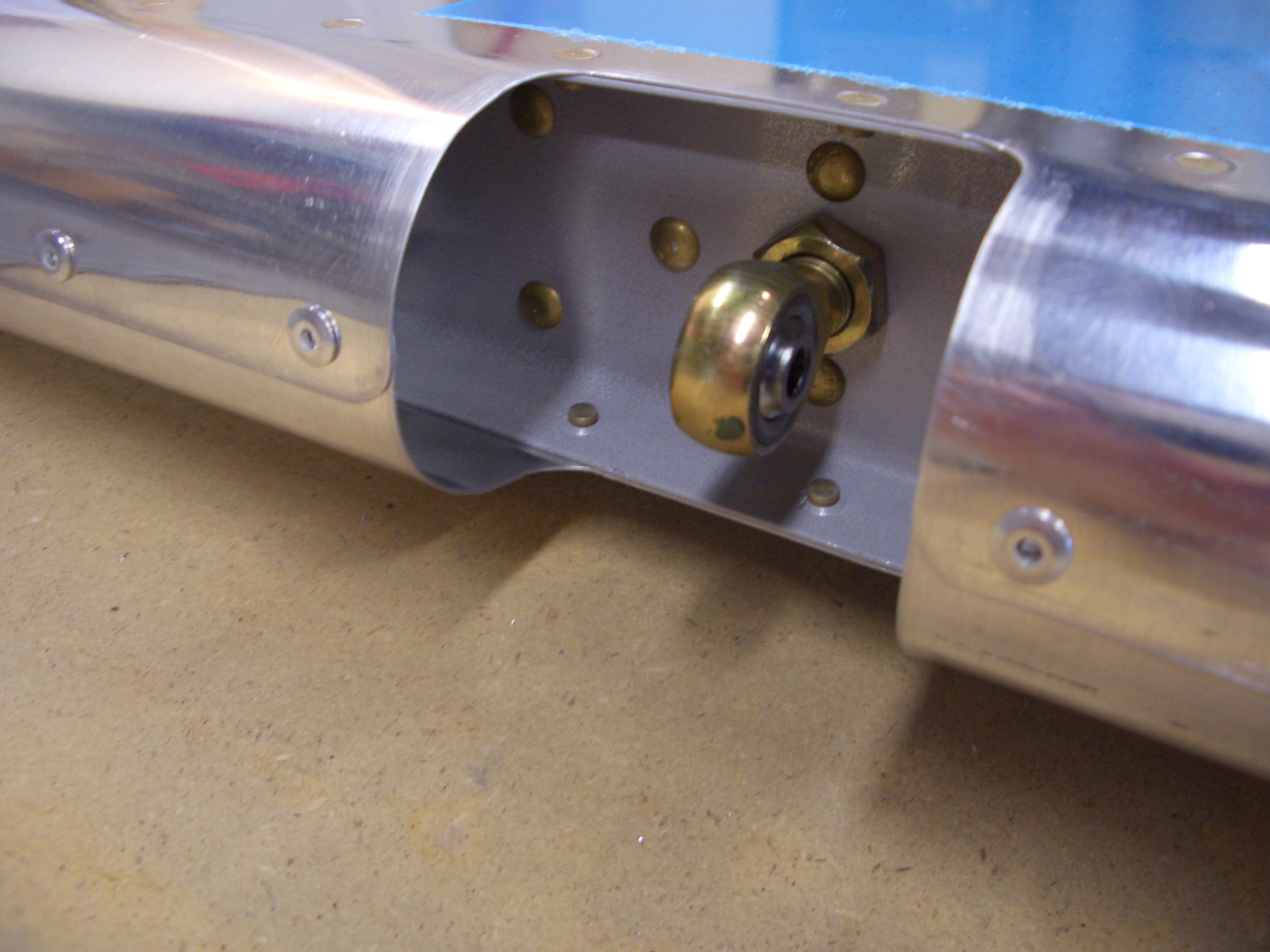
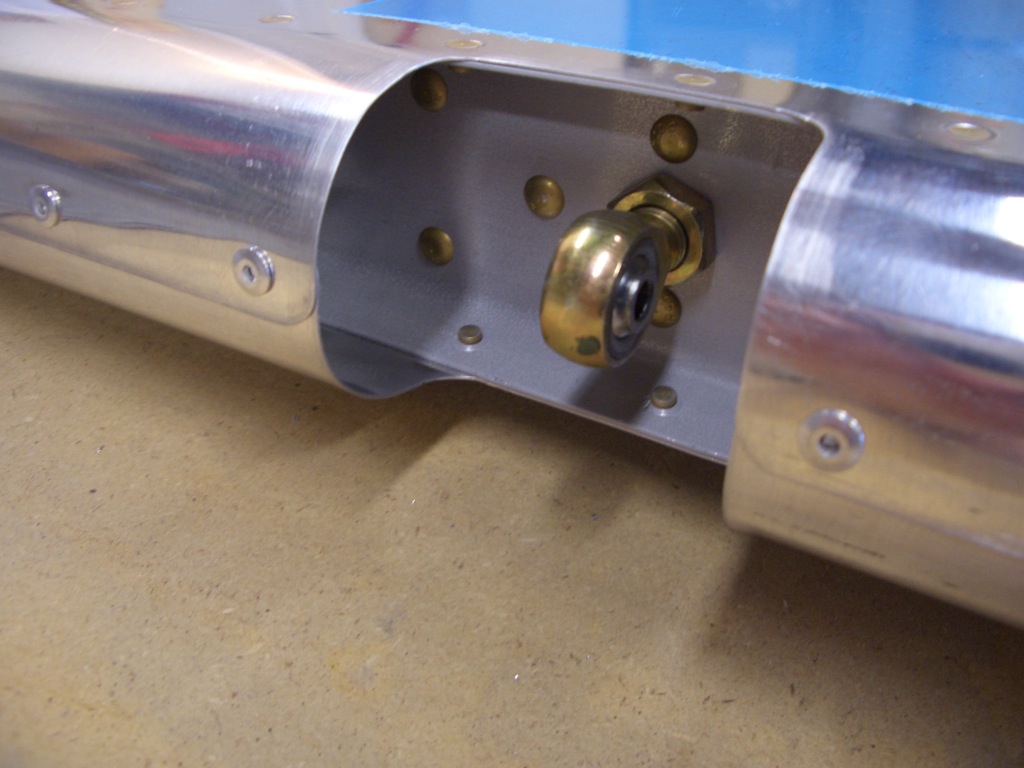
Here’s another one.  This is the inboard bearing (the spar is wider at this point since all of the empennage surfaces taper as they move from the root to the tip).  Overall, I’m pretty happy with how the rolled leading edges turned out.  There is no puckering between the rivets as I’ve heard a number of builders complain about.  You really want to get the edges to lie flat against each other when the holes line up.  Also, putting a small roll in the top edge really helps.  I purchased the Cleaveland Tools edge rolling tool, and I’m really happy with it.

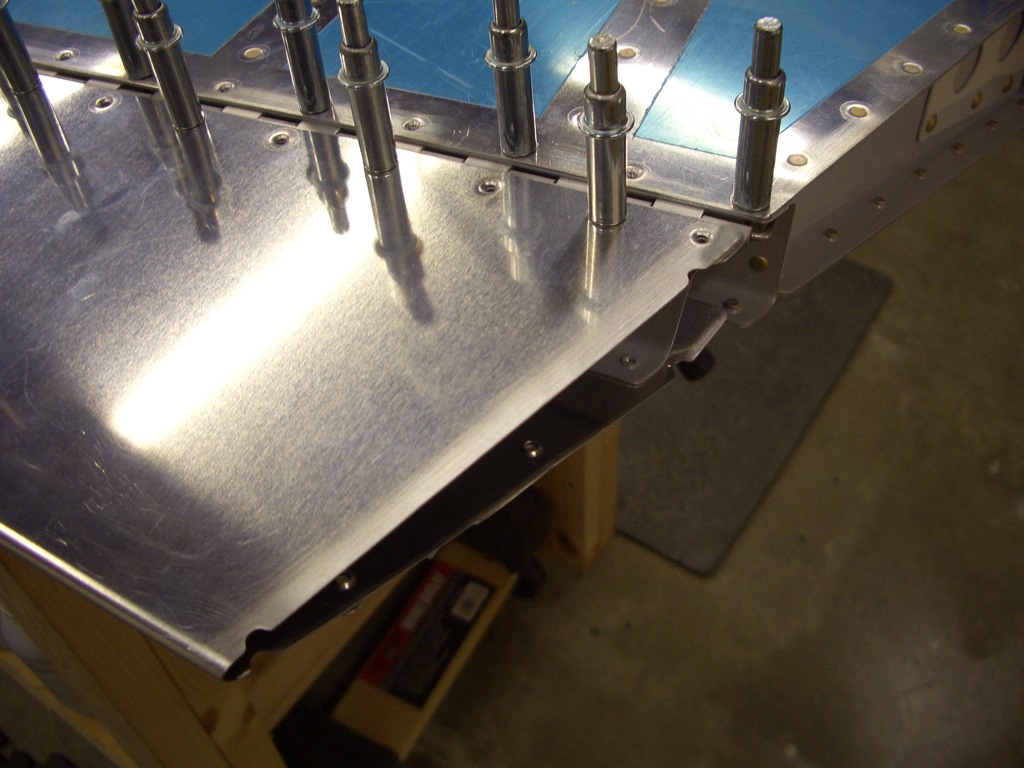
Now that I have the trim tab mounted and I’m happy with the alignment, I cut off the inboard ears in line with the inboard edge of the elevator.  I still have to fabricate a small rib to fit in here.

I also opened up the gap between the trim tab and elevator to 2/32″.  Van’s specifies the minimum gap as 3/32″, but that’s with folded ends and rivets that could conceivably interfere if something ever moved or flexed.  Since I’m using ribs here, nothing could move to decrease the clearance (There actually is a small amount of side to side play in the hinge, but the 2/32″ clearance is with the trim tab pushed as close to the elevator as possible.  The actual clearance varies from 2/32″ to almost 3/32″).  Even if hinge wear theoretically allows greater play at some point in the future, I could always increase the clearance by filing these edges back a little further (definitely not an option with the folded ends).
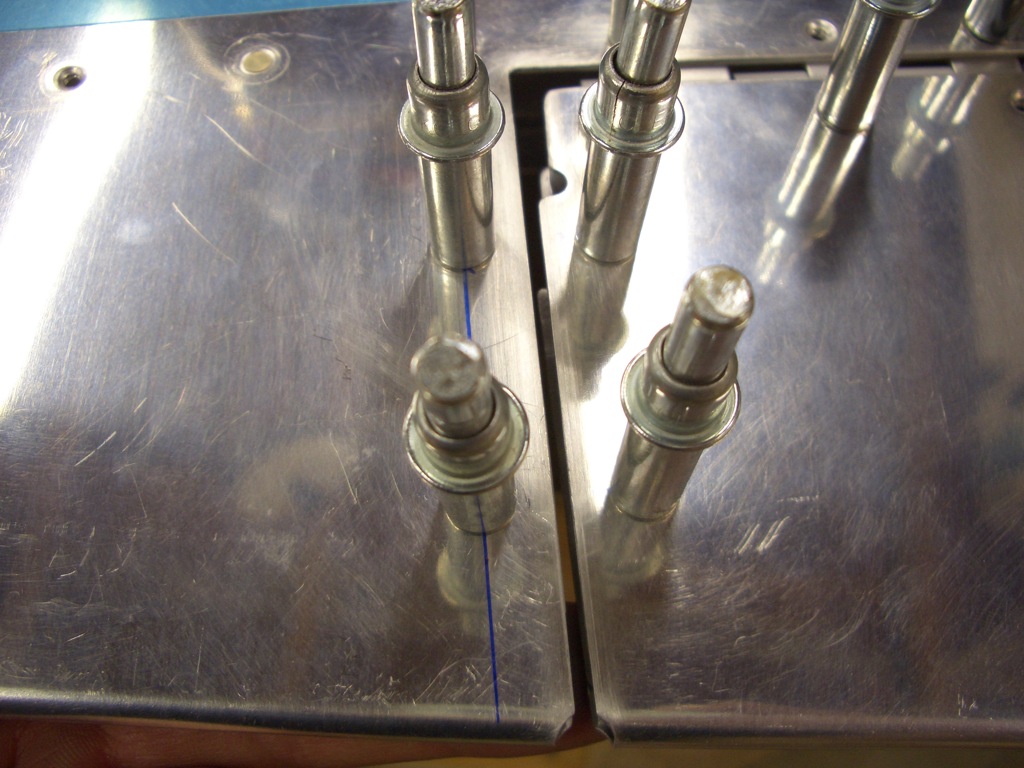

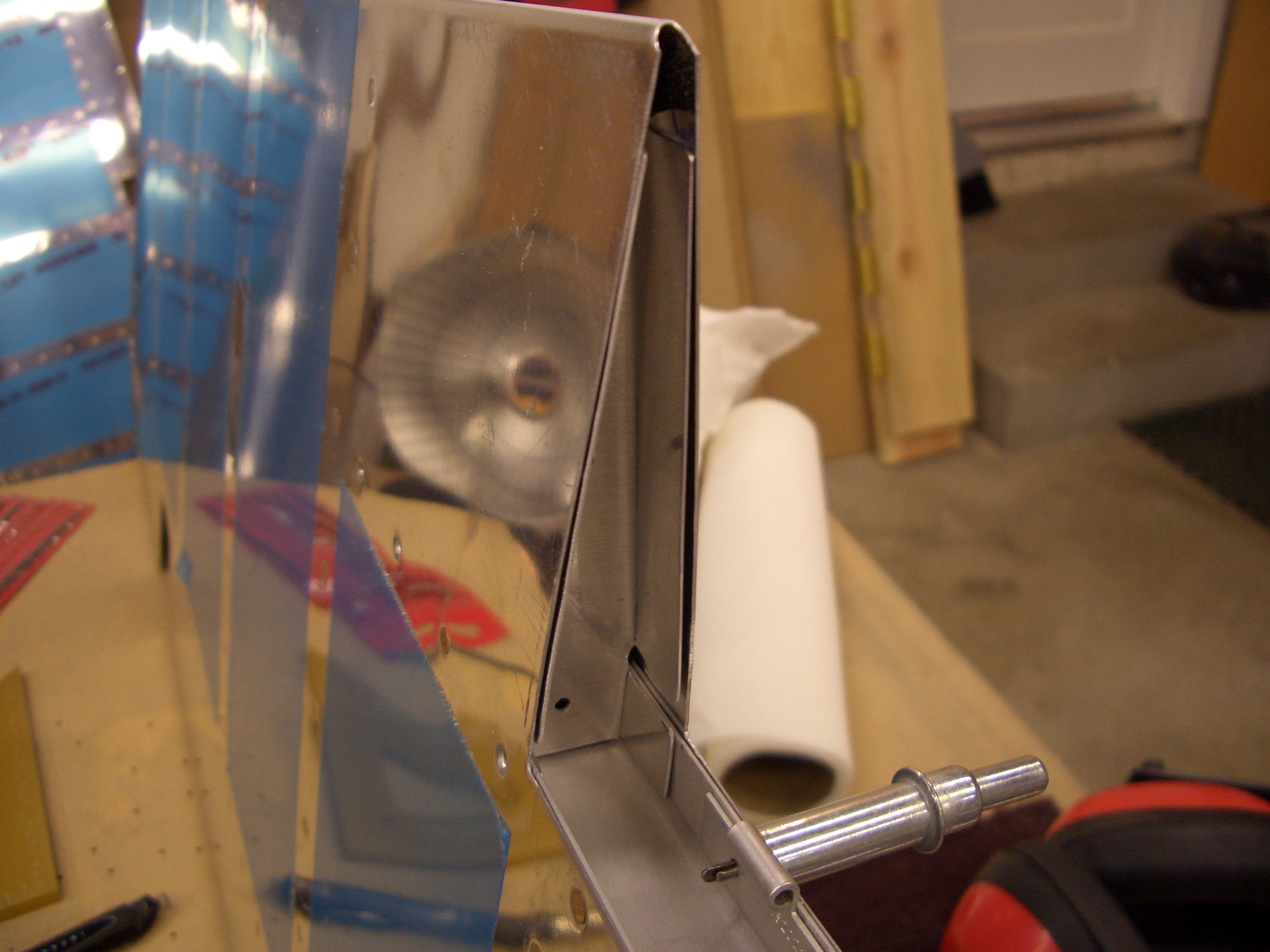
Here’s another shot of the elevator rib.  This picture makes it look like there’s a gap on the top edge, but the rivets will pull this down flush.
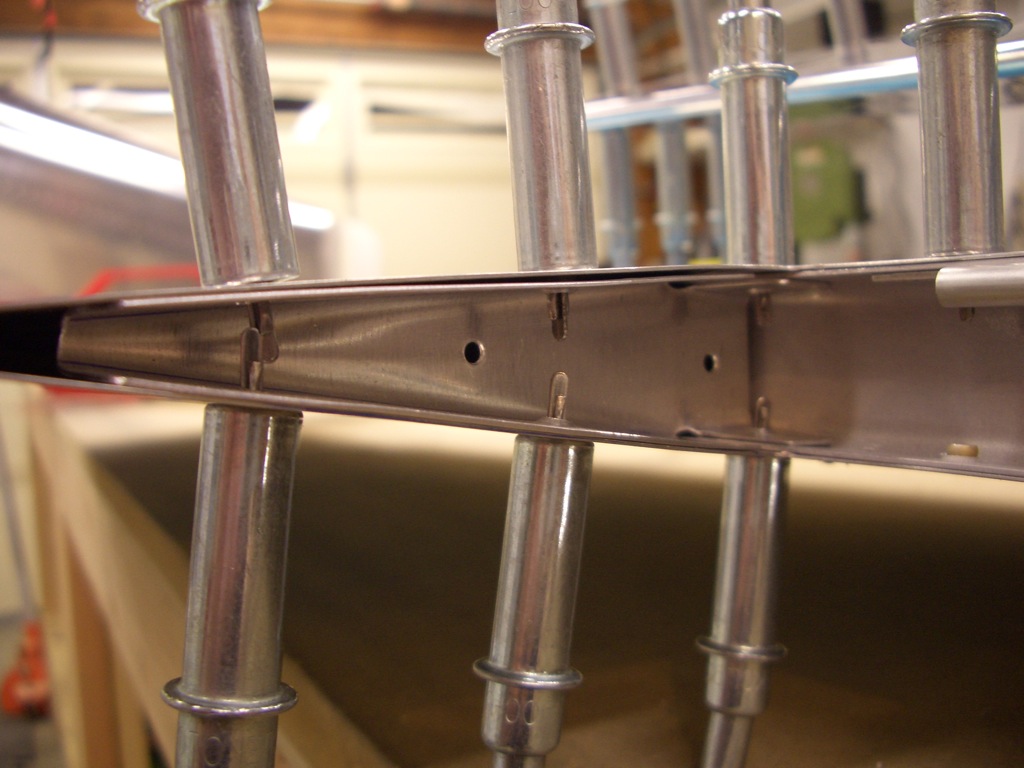

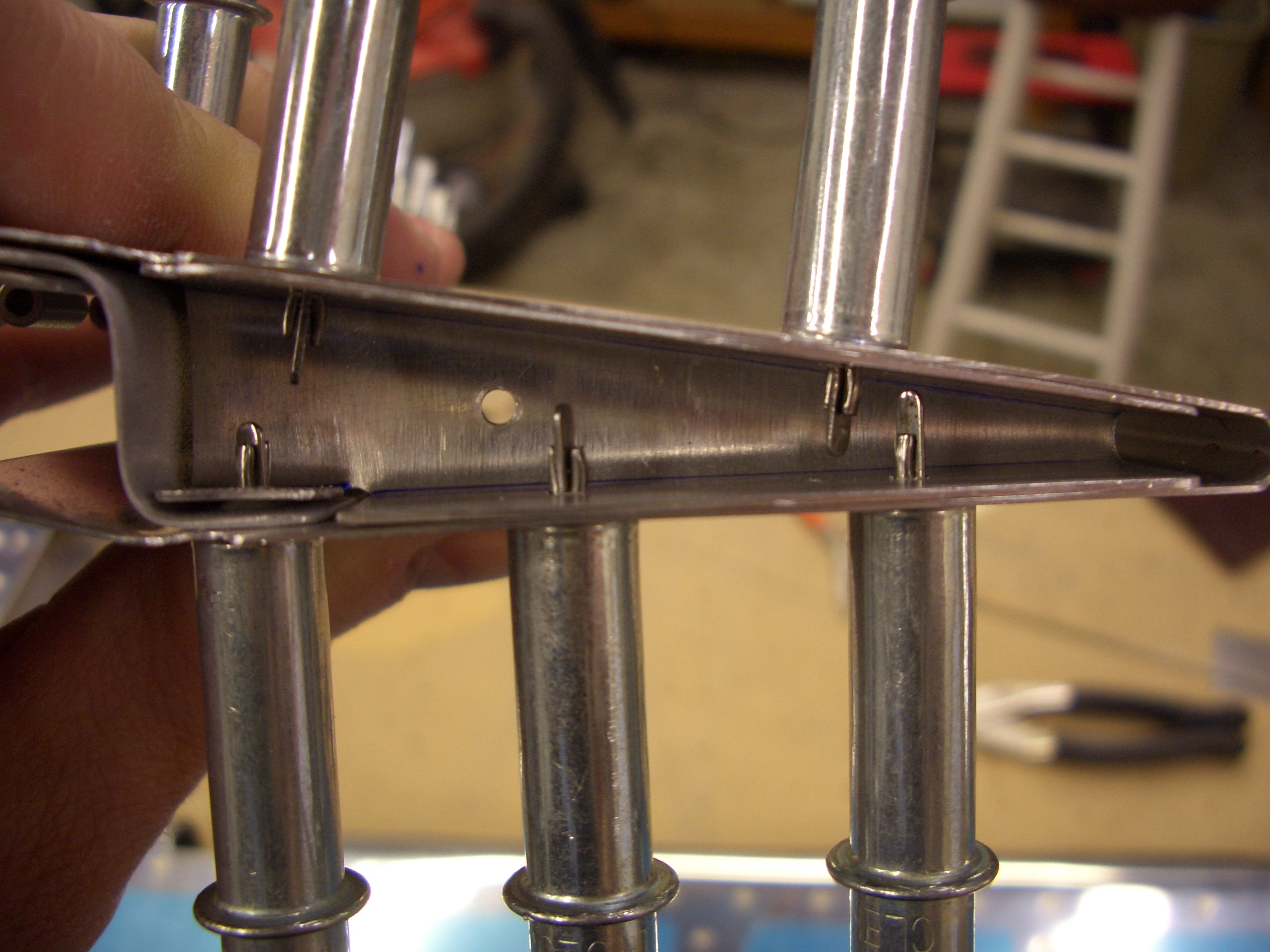
Here’s the second rib I fabricated for the outboard end of the trim tab.  The first was way off, but this fits perfectly.  I still need to dimple all of this which is why the little ear on the left isn’t sitting flat.  It was a little more work to make the ribs have these little ears to tie into the spar, but I think it’s well worth it to reduce the potential for flex and cracking.
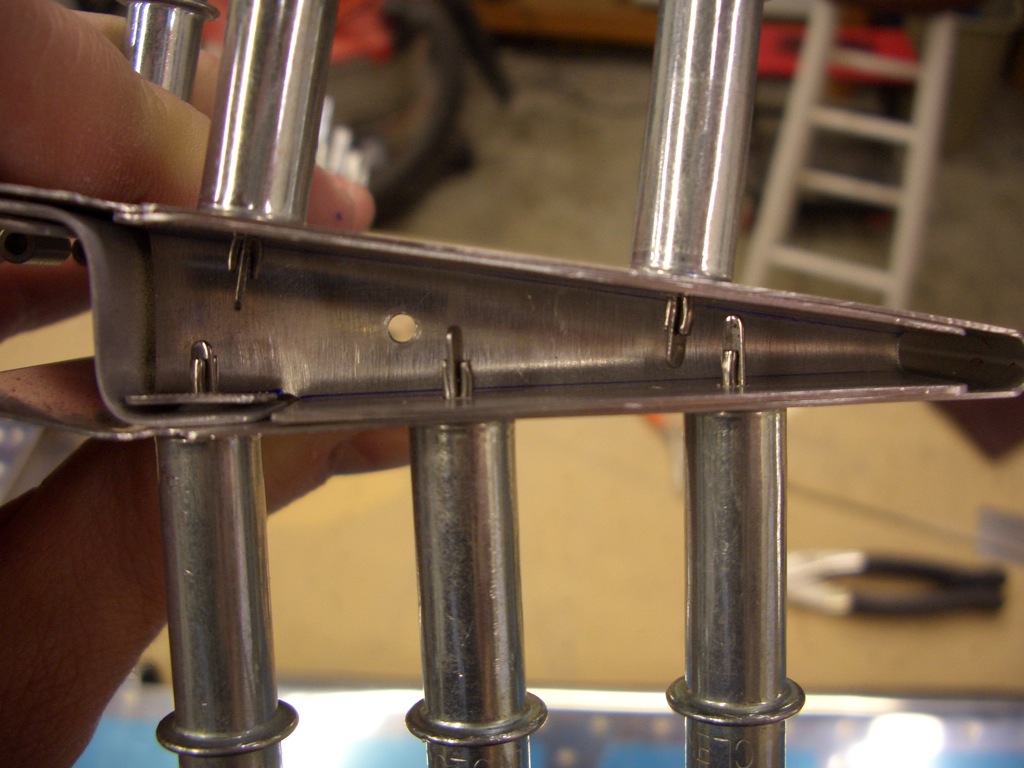

Trim Tab Rib

I fabricated the inboard trim tab rib.  Just like the outboard one, it took two tries before I was happy with the fit.  It’s easy enough to make the paper template accurate, but it takes a bit of practice to determine where to start the bend so that it winds up in the right spot.